Uganda’s Albertine Rift Endemics
The Albertine Rift Endemics inhabit the western arm of the mighty East African Rift valley, with a rich biodiversity on the African continent. This region is home to almost half of Africa’s bird species, 40% of its mammals and 20% of its montane-tropical and afro-montane plant and tree species are endemic to this region. This area is a must-see for safari travellers in Uganda since it is one of the biodiversity’s anchorages. Although numerous species can be found in neighbouring countries like the Democratic Republic of Congo and West African jungles, Uganda benefits greatly from the Albertine Rift as a meeting point of diverse climatic differences and ecosystems.
Uniqueness of the Albertine Rift
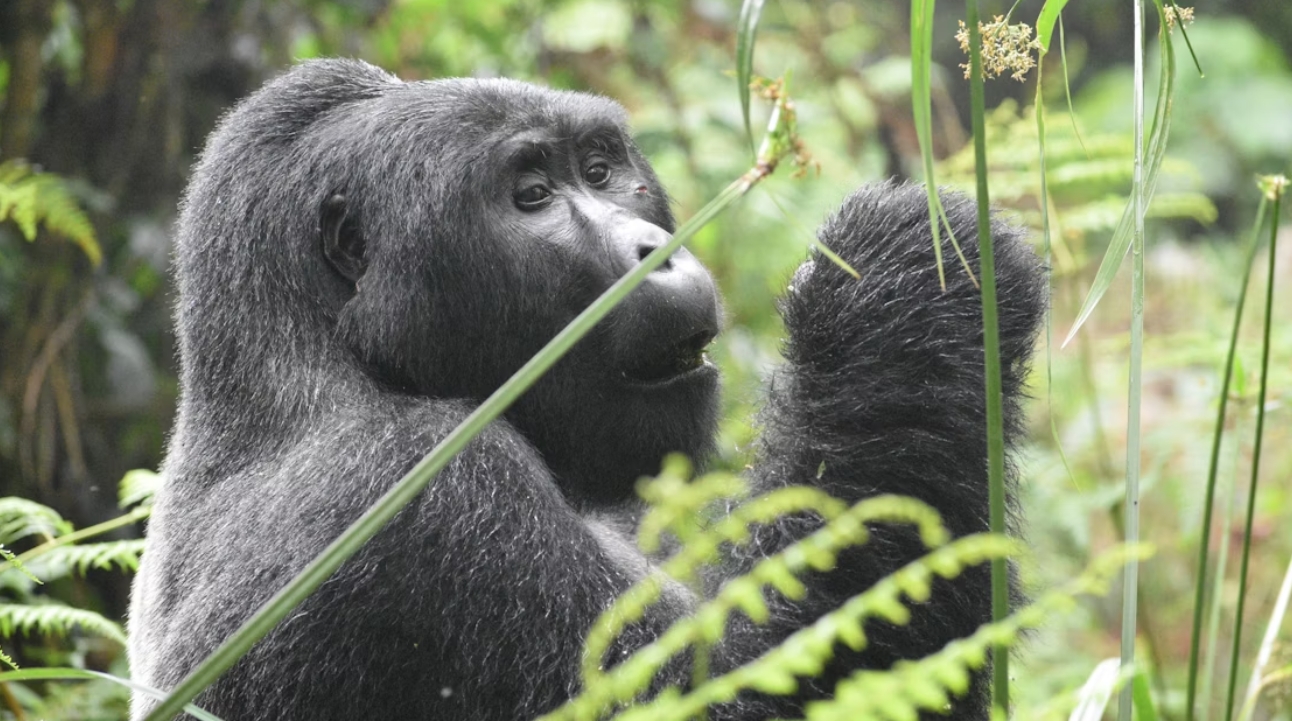
Following Uganda’s Albertine Rift Endemics, the country is distinctive because of its varied ranges within the Albertine Rift, a biophysical zone that is both panoramic and extremely diverse. This is a very long and wide region, spanning 500 kilometres from Lake Tanganyika to Lake Albert. The endangered mountain gorillas are the most protected primates in the region, only present in the Bwindi Impenetrable Forest and the Virunga Conservation Area. Other primate species include the Red-tailed Monkey, Rwenzori colobus, blue monkey, L’hoest’s monkey, golden monkey, black and white colobus, and many olive baboons. With only 8 indigenous butterflies to the Albertine Rift region, visitors can see a wide variety of vibrant butterflies on bright days.
Nakra Safaris provides birding excursions throughout East African countries, with 37 endemic species of the Albertine Rift, over half of which are of worldwide conservation significance. Researchers, scientists, and birdwatchers have observed and documented all 37 species, including 9 that are native to the Democratic Republic of the Congo. 20 of the 37 Albertine Rift endemics are located in Uganda, Rwanda, and Burundi, with Tanzania having the fewest, 2. Bwindi Impenetrable Forest, particularly in the Ruhija sector, is home to 24 endemic species, making Bwindi one of the leading birding destinations in Uganda and Africa at large.
Bird Species Endemic to the Albertine Rift.
Following Uganda’s Albertine Rift Endemics, the Rwenzori Mountains, Mgahinga National Park, and Echuya Forest Reserve are among a few of Uganda’s leading birdwatching Areas. The Shelley’s Crimsonwing is one of the unique bird species found in the Albertine Rift, particularly in Mgahinga National Park and the Rwenzori Mountains, a UNESCO site with 17 Albertine Rift endemics. 12 birds seek refuge in the Echuya Forest Reserve. Rwanda’s Eastern escarpment is home to 29 unique bird species, making it an exceptional choice for birdwatching excursions. The Kungwe Apalis, which is almost similar to the Karamoja Apalis; the plain Rufous-brown-backed Albertine Owlet; and the unique Red-collared Mountain Babbler, are among the rare species of Rwanda’s Nyungwe Forest
The largest tropical montane forests are in the highlands of the Itombwe Mountains near northern Lake Tanganyika in East Africa. This area is home to over 565 bird species, with 3 endemics to the Albertine Rift and 31 unique to the region. The Congo Bay Owl has a distinctive “wok wok wok” sound. Since it was first gathered in 1952, this owl has vanished from sight. It highlights the primordial link of these central East African jungles, which bird enthusiasts expect to see.
Where can i see the Albertine Rift endemic birds in Uganda?
Bird species to see include the Grauer’s Broadbill, which is best observed in Bwindi Ruhija. Other species include the Mountain masked Apalis in various regions, the Rwenzori Apalis, Handsome Spurfowl ( Nobel Francolin), Dwarf Honeyguide, and the Rwenzori Turaco, which can all be found in places like Bwindi and Mgahinga. The Archer’s Robin-chat is also spotted in these areas along with the Red-throated Alethe and Kivu ground thrush.
The Handsome Francolin, found in Bwindi’s Ruhija section, is often spotted along the road between Ndego and the main gate to Mgahinga, Echuya, and Rwenzori. Other notable birds include Chapin’s Flycatcher, which can be seen in Bwindi Buhoma and the neck area, and the Rwenzori Nightjar, located in Bwindi Ruhija and the Rwenzori Mountains.
Neumann’s warbler is commonly heard around the Bwindi Buhoma rivers, while the dingy dark olive Grauer’s warbler, Red-faced Woodland Warbler, and Grauer’s Rush Warbler are seen in multiple locations. The list continues with birds like Rwenzori Batis, Regal Sunbird, and Purple-breasted Sunbird, all found in places like Bwindi and the Rwenzoris. Many other birds are also mentioned, showing the region’s rich bird diversity.
What is the best time to go birding in Uganda
The best time to go birding in Uganda, especially for Albertine Rift Endemics, is during the dry season, which spans from June to August and December to February. This is because most bird species are always in their breeding season and due to the abundance of food from the previous March through May rains, birds are always active, energetic, and appealing during this dry season.