Activities to do in Rushaga After Gorilla Habituation
Activities to do in Rushaga after Gorilla Habituation: The stunning Bwindi Impenetrable Forest National Park, which is home to the endangered mountain gorillas, includes the Rushaga sector. Because of its high gorilla population, Rushaga is one of the more well-known sectors. Located in the southwest of Uganda, Bwindi Impenetrable National Park is a popular tourist attraction. In the magical Bwindi Impenetrable Forest, the park is home to mountain gorillas. By the time you complete reading this essay, you will have an answer to the question that many travellers have: “What to do in Rushaga after gorilla habituation?”
The park attracts a lot of visitors who want to see the rare mountain gorillas in their natural habitat. The park’s approximately 321 square kilometres are divided into four sectors: Rushaga, Nkuringo, Buhoma, and Ruhija. Most mountain gorilla families, including one that is open for habituation, are found in Rushaga, setting it apart from other sectors. Bikingi is the only gorilla family available for gorilla habituation experiences. With a group of primatologists, conservationists, trackers, and guides, guests can hike and trek into the jungle in search of mountain gorillas as part of the gorilla habituation experience. Seeing these mountain gorillas will take you no more than four hours. In addition to gorilla trekking and the gorilla habitat, visitors can combine other activities, including hiking, nature walks, and birding.
In the thick, lush jungle of Bwindi Impenetrable Forest, visitors have the opportunity to partake in a number of additional activities following gorilla habituation. Birdwatching, hiking, nature walks, Batwa cultural contacts, and many more are examples of these activities. Lowlands, montane forests, waterfalls, rivers, and steep slopes make up the park’s varied ecology, which provides a special home for a variety of wildlife species, including birds, plants, mammals, amphibians, and others.
Activities to do in Rushaga after gorilla Habituation
Gorilla trekking
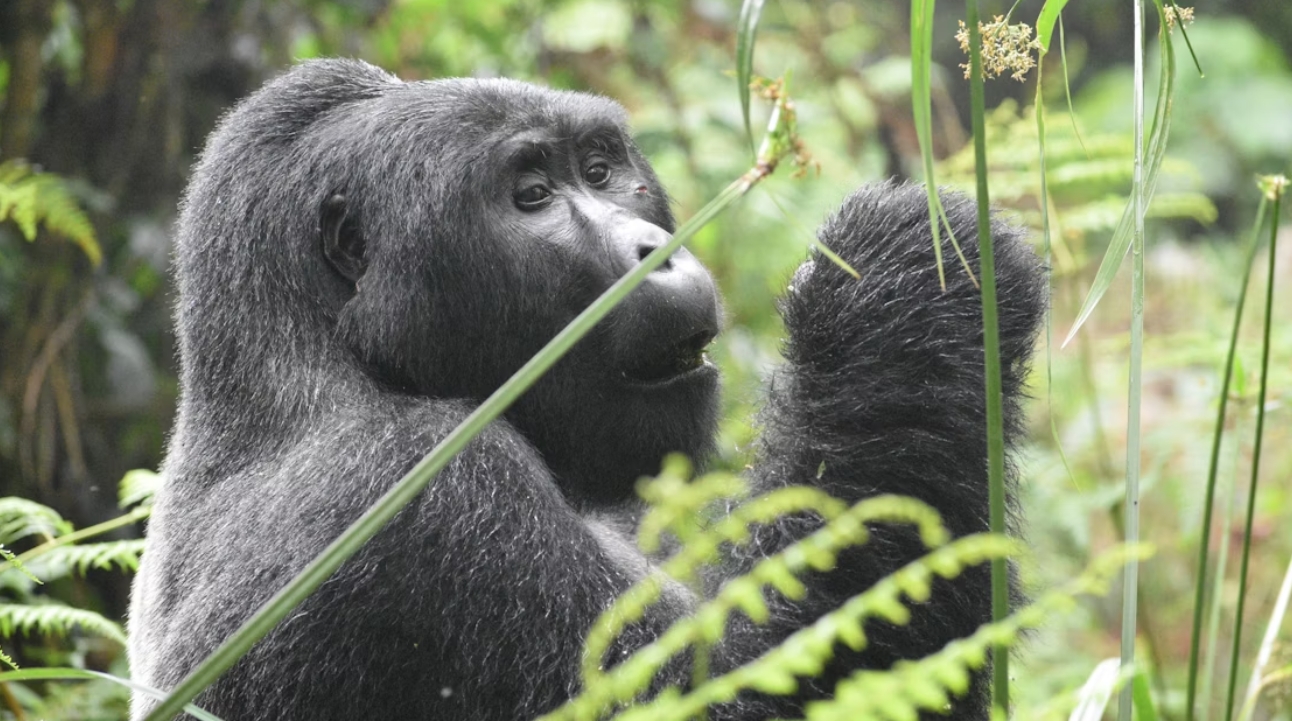
Considering activities to do in Rushaga after habituation, the Rushaga region of Bwindi is home to more mountain gorilla families than any other part of the park. Most of them are accessible for gorilla trekking, so those who want to see mountain gorillas again can do so. Gorilla trekking in the Rushaga region is a one-hour adventure that enables trekkers to take photos, record videos, and discover the habits of mountain gorillas. Gorilla trekking in the Rushaga sector starts at the sector headquarters early in the morning. Here, park rangers gather to provide a briefing to tourists, outlining the rules for trekking. During the briefing, the villagers perform theatre and dance for the tourists.
Visitors are divided into groups of no more than eight and guided into the bush by armed and informed ranger guides. Travelling through the jungle, tourists look for the magnificent mountain gorilla spots. Spending an hour with these gentle giants will allow you to observe their behaviour and social dynamics.
Batwa Cultural Encounter
This is one of the best things to do in Rushaga following gorilla habituation since it allows you to interact with the Batwa people in person, which is a remarkable experience. The Batwa pygmies resided in Bwindi Impenetrable Forest National Park before it was gazetted as a national park. Following their eviction, the majority of the Batwa people settled around the park edges because their settlements were not well designated. During your gorilla habituation experience, you can combine it with a visit to some of these Batwa Communities, where you will learn about their history, culture, and survival skills, among others.
When tourists visit the Batwa village in the Rushaga area, they interact with the locals and witness the homes of the Batwa pygmies. The elderly tell stories about how they survived and lived in the woods. Visitors will learn from these stories how they used to construct fires and kill animals for sustenance. As part of the entertainment, they have a group of traditional dancers who perform for guests.
Nature walks in Rushaga.
One of the best ways for tourists, particularly those who enjoy the outdoors, to get up close and personal with nature’s enchanted wonders is to take a nature walk in the jungle. This allows them to observe nature in its most pristine state in peace. The opportunity to freely engage with a variety of local guides and attractions allows visitors to learn about the history, culture, and way of life of the surrounding villages. You will get the opportunity to observe various plant and tree species, creatures such as birds and mammals, water sources, insects, butterflies, and many other things while on a nature walk. The second-highest mammal habitat after Queen Elizabeth National Park is Bwindi Impenetrable Forest National Park, which is home to about 120 mammals. Chimpanzees, gigantic forest hogs, monkeys, side-striped jackals, and forest elephants are some of the creatures that visitors can see.
Birdwatching in Bwindi.
Bwindi, a dense forest with over 350 different species of birds, is one of the best sites to go birdwatching in Uganda. If visitors have additional days in the park during a gorilla habituation safari to the Rushaga sector of Bwindi, they can engage in birdwatching. Expert and informed birding guides are always available to help you with birding, providing you with all the information you need to know about both rare and noteworthy bird species. The best and most popular birding spots are always accessible via a variety of birding routes.
Birds to see include Ansorge’s Greenbul, Ross’s Turaco, Oriole Finch, Fine-banded Woodpecker, Black Bee-eater, Yellow-spotted Barbet, Grauer’s Broadbill, Grauer’s Swamp Warbler, Red-headed Malimbe, Regal Sunbird, African Emerald Cuckoo, Tambourine Dove, Yellow-spotted Barbet, Grey-chested Kakamega, Red-faced Woodland Warbler, Strange Sunbird, Black-billed Turaco, Black-faced Apalis, Great Blue Turaco, Rwenzori Apalis, Oriole Finch, among others.
What is the best time to visit Bwindi?
Though Rushaga Sector in Bwindi is accessible to visitors throughout the year, the dry season is the ideal time of year to go. Rushaga is usually visited by tourists between June and September and December and February, which is the dry season. Due to the much sunshine with little to no rainfall throughout these months, most park activities are more gratifying. More still, the roads leading to the sector are in good shape with dry trekking trails that are easy to follow. Due to the short vegetation cover during the dry season, there is room for visibility, and a variety of wildlife species can be easily seen in a lovely setting. Nonetheless, Rushaga receives a lot of rain, especially from March to May and from October to November, which may affect the roads, visibility due to the thickness of the vegetation cover, and trekking trails.
Accommodation in Rushaga
Accommodations in Rushaga during a gorilla habituation safari. Visitors on a gorilla habituation safari in the park can choose from a wide variety of accommodation alternatives, ranging from affordable to deluxe. These lodging options include, among others, Rushaga, Four Gorilla Lodge, Gorilla Valley Lodge, and Gorilla Leisure Lodge. Gorilla Leisure Lodge, Rushaga Gorilla Lodge, Four Gorilla Lodge, Gorilla Valley Lodge, and numerous others are among the lodges.