Uganda Gorilla Permit Prices
Uganda Gorilla Permit Prices: Gorilla trekking permits are the most essential components of any safari experience in Uganda’s destinations. This is attributed to being one of the top gorilla-trekking destinations in Africa that attracts visitors from across the world. Gorilla prices in Uganda are determined by the Uganda Wildlife Authority, an autonomous body in charge of monitoring and managing the country’s wildlife resources.
Uganda wildlife safaris combined with gorilla trekking tours offer exceptional wildlife experiences, and this is one of the costliest safaris due to its sustainable tourism efforts, uniqueness, and operational requirements involved. This article will delve into the costs of a Ugandan safari with gorilla trekking based on the major elements of any safari.
Uganda safaris offer unique African and diverse jungle experiences that are made of stunning wildlife diversity, from the classic African game drives to gorilla trekking and primate encounters in Uganda’s gorilla parks of Bwindi and Mgahinga National Parks. However,
Uganda Gorilla Permit Prices
The cost of the gorilla permit is mainly determined by factors such as the origin and residence of the traveller. According to the Uganda Wildlife Authority, a gorilla permit costs $800 for non-foreign residents, $700 for foreign residents, and UGX 300,000 for citizens of East Africa. This trekking permit authorizes you to trek and spend an hour with these gentle giants.
More still, another gorilla activity that involves gorilla permits is the gorilla habituation experience. Travellers should know that these permits entail conservation fees, park entrance fees, and guide fees for rangers and trackers. Besides gorilla tracking, gorilla habituation is another unique activity that comes at a cost.
Gorilla Habituation Experience and Uganda Gorilla Permit Prices
This is the activity of training semi-habituated mountain gorillas to get familiar with humans. Here, visitors spend a duration of 4 hours with these mountain gorillas, accompanied by a team of trackers, conservationists, and researchers, making it a fully immersive adventure for travellers who are willing to spend more time with these unique primates. This habituation experience is carried out in the Rushaga Sector of Bwindi. Gorilla habituation permits cost US$1500 for non-foreign residents, US$1000 for foreign residents, and UGX 750,000 for citizens of East Africa.
Gorilla Trekking vs Gorilla Tracking
Following Uganda Gorilla Permit Prices, these two terms may look alike, though they differ slightly, as we try to highlight their contrast in relation to gorilla trekking. Gorilla trekking is an outdoor activity that grants visitors a chance to see mountain gorillas for a maximum of an hour in their natural setting. This is achieved after formalising the purchase of a gorilla trekking permit from the Uganda Wildlife Authority, which issues gorilla permits for visitors to have access to these gentle giants.
On the other hand, gorilla tracking is the process of locating sightings of gorillas. This is normally done by trackers and armed park rangers, especially during the unique gorilla habituation experience or before the trekking session of nature lovers to a designated gorilla family. Gorilla trekking is a premier wildlife experience that draws visitors from across the world, and tracking down these endangered apes in their natural habitats means trekking and hiking up the hills within the dense forest for multiple hours.
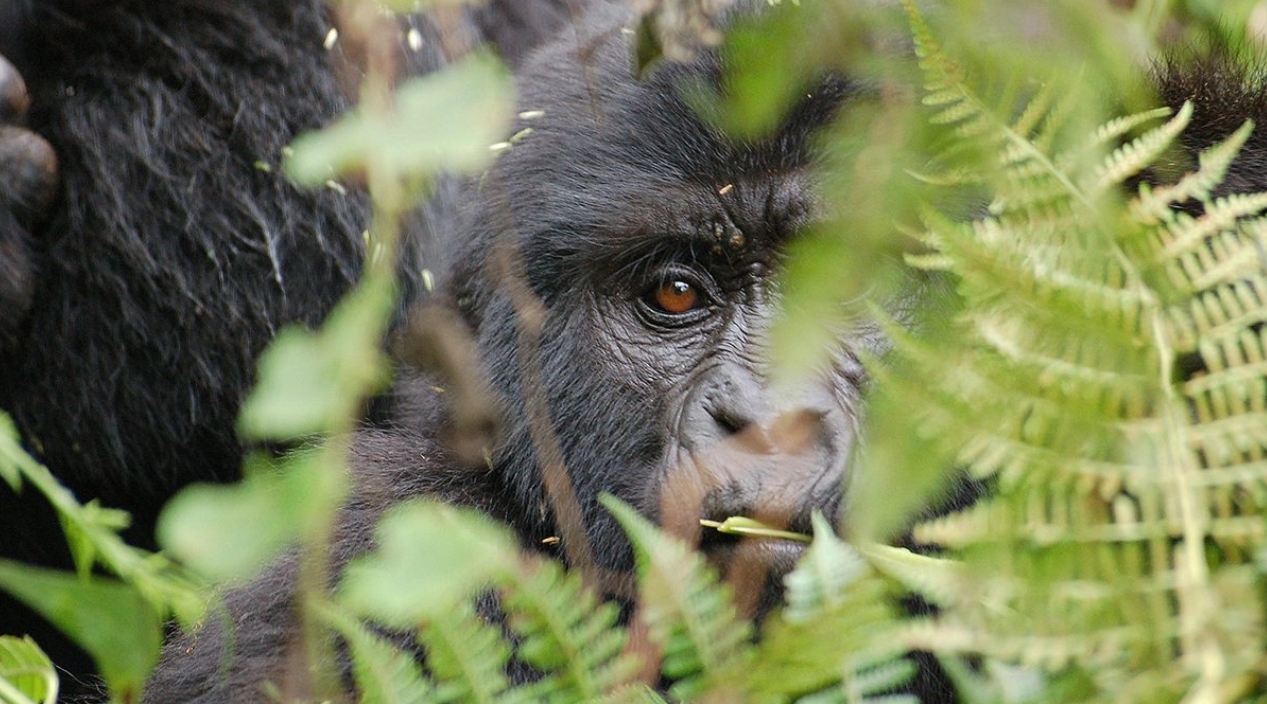
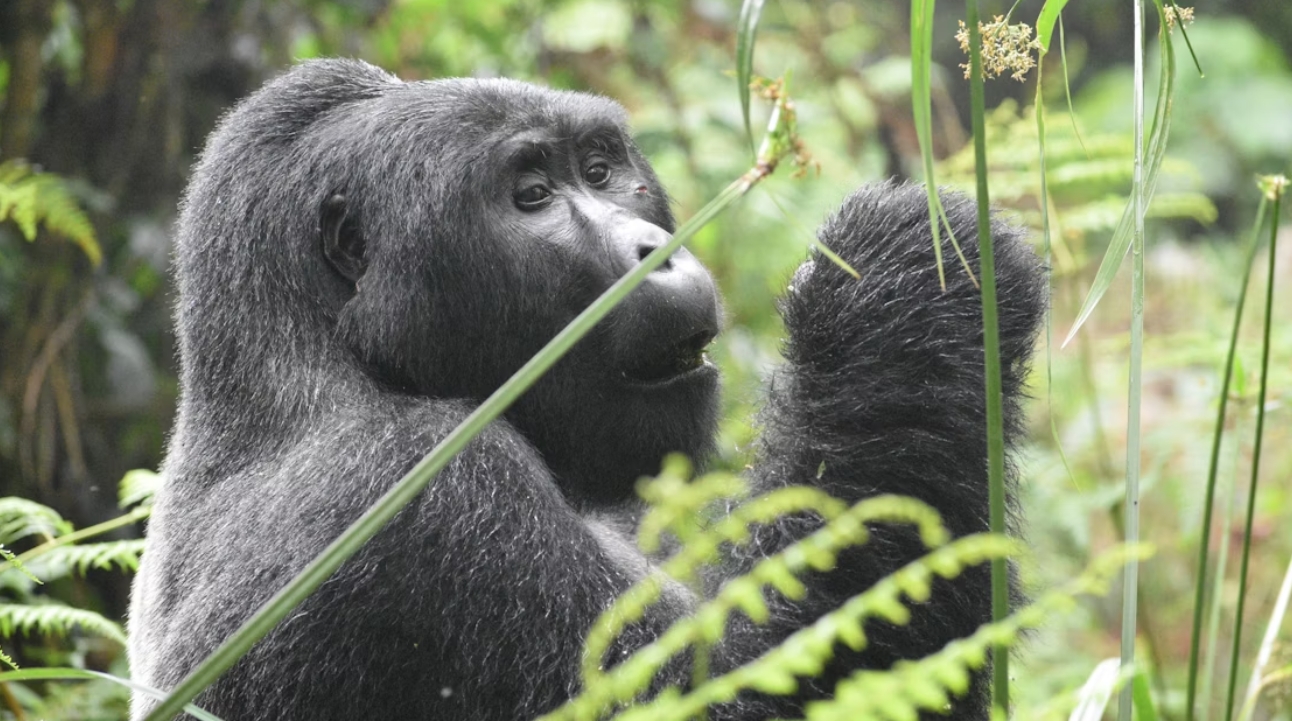
Uganda’s gorilla trekking excursions normally take place in the misty, lush jungle of Bwindi and Mgahinga National Parks. These two destinations offer exceptional experiences; however, Bwindi stands out as the most popular over Mgahinga due to its concentration of mountain gorillas that are distributed across the four sectors of the park, including Rushaga, Buhoma, Nkuringo, and Ruhija.
Best Time to Visit Uganda for Primate Trekking
Following Uganda Gorilla Permit Prices, gorilla trekking is an all-year-round activity that offers visitors the chance to immerse themselves in the world of adventure. However, some months are more favorable than others, such as the dry months of June to August and December to February, which offer the best time to do gorilla trekking in Uganda’s dense jungles of Bwindi Impenetrable National Park and Mgahinga National Park. During this dry season, the parks receive little rainfall, making them dry and accessible with short vegetation cover and visibility of these wildlife species.
However, gorilla trekking safaris can also be conducted in the wet months of March to May and October to November; however, these months receive fewer crowds of travellers due to heavy rains that may at times make the park roads slick and slippery, making them and the trekking trails impassable.