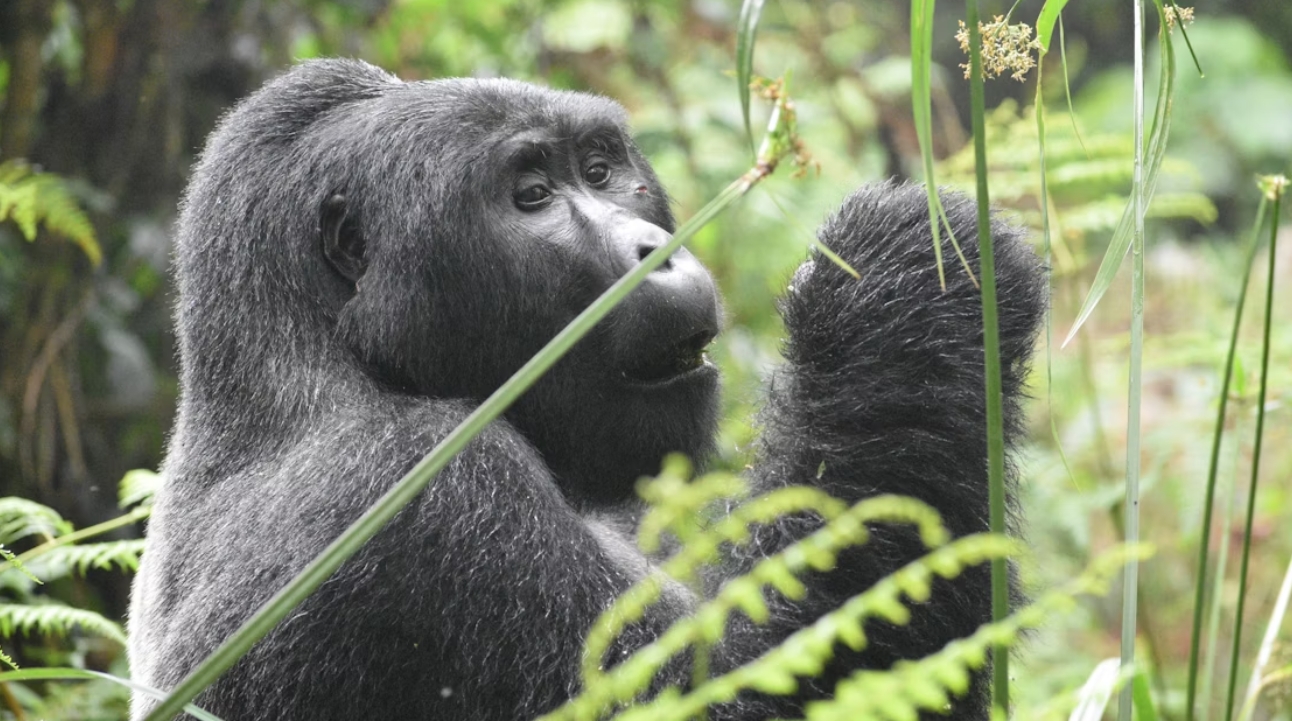
The Cost of Getting a Gorilla Permit in Uganda
The Cost of Getting a Gorilla Permit in Uganda: Among the few gorilla trekking destinations in Africa that are regarded as the world’s best mountain gorilla destinations is Uganda, the pearl of Africa. The country provides exceptional and top-notch gorilla encounters compared to any other destination in Africa at a relatively lower cost than some of Uganda’s neighbours.
Despite being a unique primate adventure activity, the country’s gorilla permits are restricted in terms of numbers per gorilla family and are highly desired due to the immersive and unforgettable experience.
This article provides an extensive, complete breakdown of the cost of gorilla permits in Uganda, what the permit includes, how and where to obtain one, differences between standard trekking and habituation experiences, and expert tips to help travelers secure permits smoothly.
The Cost of Getting a Gorilla Permit in Uganda
A gorilla trekking permit is an official document issued by the Uganda Wildlife Authority that allows visitors to enter a designated gorilla trekking national park, be accompanied by trained park rangers and trackers, track a specific habituated gorilla family, and spend one hour observing mountain gorillas in their natural habitat.
Following the cost of getting a gorilla permit in Uganda, each permit is valid for one person for a specific date and is non-transferable. According to the Uganda Wildlife Authority, eligible people are supposed to have a valid gorilla permit for visitors to be granted permission to access these primates under any circumstances. As of the current Uganda Wildlife Authority standard, a gorilla trekking permit for foreign non-residents is worth $800 per person, $700 for foreign residents per person, and then UGX 300,000 for East African citizens.
This cost applies to gorilla trekking in both Mgahinga National Park and Bwindi Impenetrable National Park. Uganda also offers a special gorilla habituation experience, which is more immersive than standard trekking. However, its cost is $1500 per person. What makes it different from the standard trekking is that travelers are given up to 4 hours with gorillas instead of one hour; it is accompanied by researchers and conservationists; it is a deeper educational and conservation-focused experience; and travellers observe gorillas as they get accustomed to human presence.
The permit fee covers parking entry fees for the trekking day, rangers, guides, and trackers; one full hour for gorilla observing; security and protection services; and conservation and community support contributions. Although that fee does not include or cater for meals, accommodation, transport, or tips for either porters or guides.
Bwindi Impenetrable National Park is the main gorilla trekking destination, with over 20 habituated gorilla families. The park has four trekking sectors, that is to say, Nkuringo, Rushaga, Ruhija, and Buhoma. Mgahinga Gorilla National Park is a smaller park with one habituated gorilla family and is often combined with golden monkey tracking.
The permit does not specify the gorilla family in advance. The assignments are made on the trekking day based on visitor fitness levels, group size, and gorilla movements. Uganda strictly limits permit numbers to protect gorillas; that is to say, 8 permits per gorilla family per day and roughly 160+ permits daily across all parks.
This limitation ensures minimal disturbance to gorillas, reduced disease transmission, and high-quality visitor experiences. Because of these limits, permits often sell out months in advance, especially during the peak seasons.
How Permits are Obtained in Uganda
The first approach is through a licensed tour operator; that is to say, you choose a licensed Uganda safari operator, provide preferred trekking dates and passport details, the operator checks availability with the Uganda Wildlife Authority, you make either a partial payment or a full payment, and lastly, the operator secures the permit and confirms the booking.
Some of the reasons for the importance of using this approach include: Swift communication, assistance with sector selection, stress-free from bulky paper use, full safari planning support, and easier date changes. Alternatively, visitors planning to do a gorilla trekking or gorilla habituation safari can get gorilla permits through the managerial office of the Uganda Wildlife Authority, through the reservations office.
However, this approach of obtaining the permit has challenges like slower response time, no flexibility if plans change, no logical support, and international transfer fees.
However, the most convenient method is to book through a local agency or tour operator. The cost of a gorilla trekking permit is $800, and
It’s worthy since it reflects sustainability and the conservation efforts, research, ranger salaries, community-building empowerment, training, veterinary care, anti-poaching patrols, and habitat preservation. For these reasons, most travellers prefer booking through tour operators.
Following the country’s revenue collection, gorilla earnings have tremendously contributed to making a significant contribution to the restoration and conservation of these once endangered mountain gorillas, with a steady increase in gorilla numbers over the past decades.
Tips for securing gorilla permits successfully include booking early for dry seasons, being flexible with travel dates, using licensed local operators, combining permit booking with accommodation, avoiding last-minute planning, and considering low-season travel for better availability.
During the trekking day, visitors are always advised to reach the information centre offices at 7:30 am for a pre-gorilla trekking briefing concerning the rules and regulations. Visitors are distributed into groups of not more than 8 people to a single gorilla family.
This is followed by the allocation of ranger guides and porters who lead the search into the jungle, where trekkers spend a maximum of one hour with mountain gorillas. Uganda’s gorilla permits go for $800, which ranks Uganda among the top mountain gorilla destinations in Africa that offer unique and exceptional gorilla trekking experiences at affordable prices.
Since gorilla permits are tightly restricted to a few people in Bwindi Impenetrable National Park and Mgahinga National Park, visitors are advised to book these permits in advance to avoid last-minute disappointment. By purchasing a gorilla permit, travellers are not only gaining access to a life-changing wildlife experience but also directly supporting conservation, local communities, and the long-term survival of mountain gorillas.