Difference Between Gorilla Trekking in Rwanda and Uganda
Difference Between Gorilla Trekking in Rwanda and Uganda: The difference between gorilla trekking in Rwanda and Uganda lies in costs, accessibility, comfort, and travel style. Gorilla trekking is one of Africa’s most powerful wildlife experiences, and two countries, that is to say Uganda and Rwanda, tend to dominate this adventure. Both Rwanda and Uganda offer the chance to encounter endangered mountain gorillas in their natural habitat, yet the experience, cost, accessibility, and overall travel style differ significantly.
Difference Between Gorilla Trekking in Rwanda and Uganda
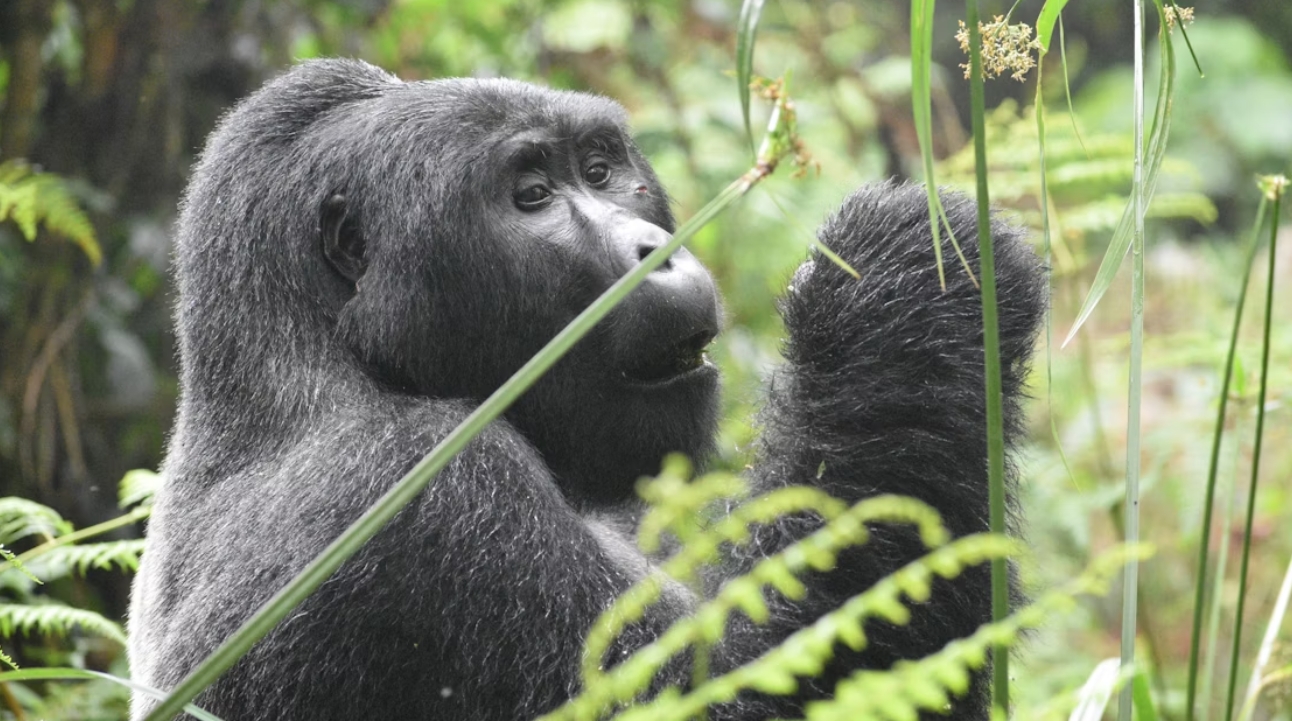
Both Rwanda and Uganda are home to mountain gorillas, a critically endangered subspecies found only in the Virunga and Bwindi forests. In Rwanda, gorilla trekking takes place in Volcanoes National Park, located in northwestern Rwanda, which is part of the Virunga at a high altitude in bamboo and montane forests.
Uganda has Bwindi Impenetrable National Park and Mgahinga Gorilla National Park, both with dense rainforest and rugged terrain in multiple trekking sectors. While Uganda offers multiple trekking locations, providing more variety of options and flexibility, Rwanda has one main park.
Rwanda charges $1500 per person, which is a fixed price for all visitors; however, Uganda charges $800 per person for a gorilla permit and then $1500 for a habituation permit that lasts for a 4-hour experience. Uganda is significantly more affordable, making it ideal for budget-conscious travelers.
A 2- to 3-hour drive from Kigali International Airport to Volcanoes National Park, Rwanda, has excellent road infrastructure ideal for short trips. It’s an 8- to 10-hour drive from Entebbe to Bwindi; domestic flights are available to airstrips near the park, with a longer travel time and a more adventurous journey.
Unlike Uganda, overall, Rwanda seemingly has scant vegetation cover where trekkers can easily reach locations in their search within the jungle or during the trekking experience, and shorter trekking distances that are comfort-oriented, especially for the elderly travellers or those with limited fitness. Whereas Uganda is defined by a thick, tropical forest cover with dense growth and high, steep slopes, leading to longer treks that are physically challenging and demanding but rewarding. Uganda treks are more challenging, while Rwanda treks are typically more manageable.
The accommodation options of Rwanda focus on luxury and high-end lodges, world-class service, and eco-lodges and higher accommodation costs; however, Uganda offers a wide range of budget lodges, mid-range camps, and luxury eco-lodges, and is more flexible for different budgets. Trekking organization and experience in Rwanda are highly streamlined and efficient, with strict schedules, excellent briefings, ranger professionalism, and a very polished experience.
Uganda is well organised but more adventurous, with multiple trekking sectors and slightly more variability in trek duration. The tourism style and target market for Rwanda is a high-end, low-volume model that targets luxury travelers and short-stay visitors and focuses on exclusivity. However, Uganda has value-based tourism that appeals to adventure travellers, backpackers, and safari enthusiasts, and longer itineraries are encouraged.
The additional wildlife experiences in Rwanda are golden monkey tracking, cultural visits, and limited big game safari options. Uganda has chimpanzee trekking in Kibale, big five safaris, birding, and boat safaris. Both Uganda and Rwanda do not allow flash photography; they do enforce minimum distance rules for the safety of both the gorillas and the travellers, and offer excellent photography opportunities.
The two countries offer significant support in financing gorilla restoration and conservation initiatives, endow ranger anti-poaching units, training, habitat protection, and community revenue sharing. While Uganda balances affordability with conservation funding, Rwanda’s higher permit cost reflects its low-impact conservation strategy.
Luxury travellers, especially those for premium, hate travelling long distances; elderly visitors, opulent travellers, short time frames, and others; Rwanda is a preferred option. Economical or budget travellers, value-seeking travellers, adventure seekers, those wanting multiple safari experiences, travelers with more time, and visitors interested in habituation experiences should choose Uganda.
Rwanda, as a country, offers a high-end, brief, and opulent-focused experience, whereas Uganda provides adventure seekers with a value-packed and varied wildlife safari experience. Neither is better; the best choice depends on the traveller’s budget, time, fitness levels, and safari goals.
These two countries assure visitors a once-in-a-lifetime experience through encounters with the endangered mountain gorillas in their natural habitats. Owing to this unforgettable and lifetime experience, it supports sustainability, wildlife conservation, and responsible tourism with a fulfilling impact on tourism development.
Conclusion
Travellers always ask this question: “What is the difference between gorilla trekking in Rwanda and Uganda, and which one is better?” Well, the answer depends on various factors, as discussed above, such as your personal interest, budget, comfort levels, and mode of transport, among others. As Uganda’s thick and dense tropical rainforest offers dramatic rainforest shots, Rwanda’s open and scanty terrain often offers vivid sightlines. This article provides a comprehensive, side-by-side comparison of gorilla trekking in Rwanda and Uganda, helping travellers and tour operators make informed decisions.