Lake Mburo: A Paradise for Birdwatchers in Uganda
Lake Mburo: A Paradise for Birdwatchers in Uganda. The park is home to over 332 bird species, making it the best spot in Uganda for acacia-dwelling birds like the Black-collared Barbet and Bare-faced Go-away-bird. The park offers great birdwatching experiences, including sightings of the secretive African Finfoot and the beautiful Ross’s Turaco during boat trips. The swamps host papyrus specialities like the Papyrus Gonolek, Blue-headed Coucal, and the rare Shoebill.
From November to April, migratory birds are also present, adding to the park’s diversity. Lake Mburo is known for its rich biodiversity and is often called the ‘whisper of the wilderness’, featuring rolling hills, woodlands, forests, and swamps. Additionally, it is a prime location for southern species at the northern edge of their habitats, alongside forest birds found in nearby Rubanga Forest.
Location of Lake Mburo National Park
Lake Mburo National Park, a paradise for birdwatchers in Uganda, is the smallest savanna park but is abundant in wildlife and natural beauty. It is easily accessible from the highway between Kampala and western Uganda along the Masaka-Mbarara Highway in Kiruhura District. Wetlands cover 20% of the park, creating a 50 km-long system with swamps and lakes. This variety of ecosystems supports birdlife, which attracts many nature lovers and birdwatchers. Tourists can see animals like impalas and zebras up close. Lake Mburo is about 30 kilometers from Mbarara and 240 kilometers from Kampala, taking around three and a half hours to drive from the capital, making it ideal for day trips.
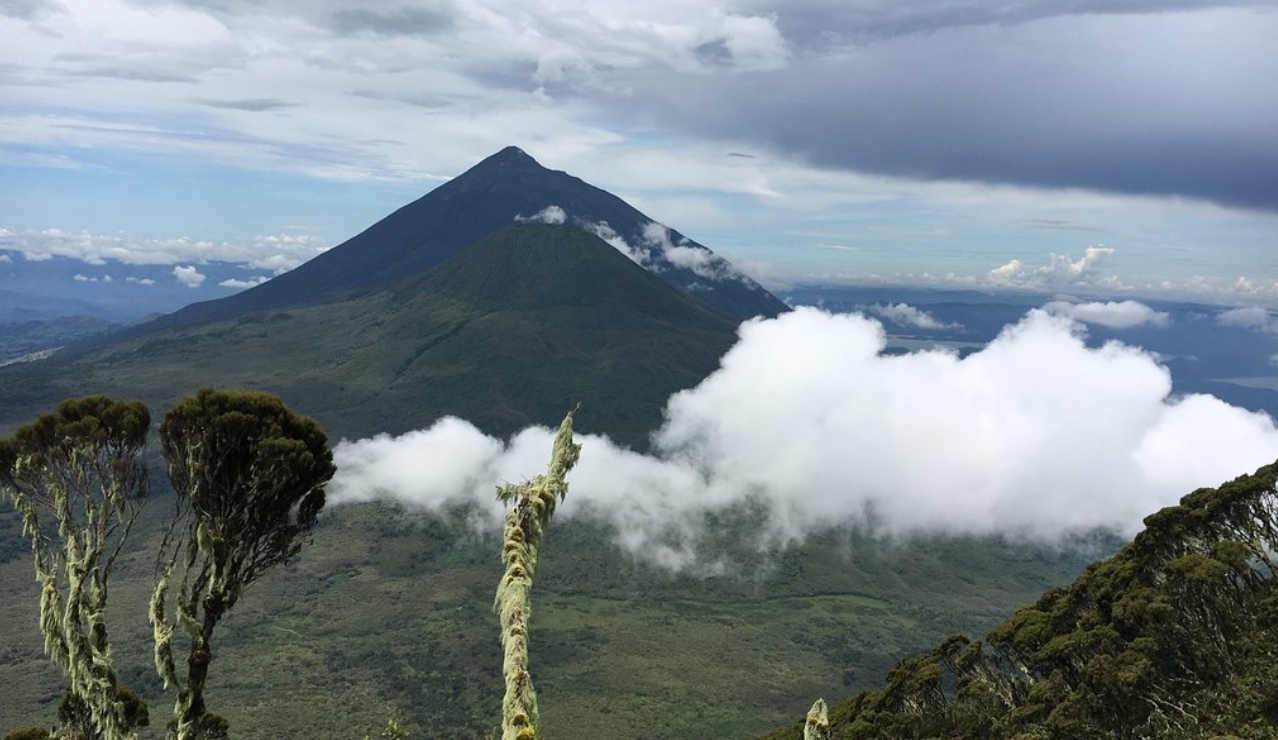
Lake Mburo features ancient rocks and rolling hills over 500 million years old. The park has a large wetland area home to unique mammals and several bird species. It spans 370 km and is a popular stop for tourists travelling in western Uganda or for day trips from Kampala, as it is easily accessible for various activities. Visitors can also travel from Kampala to Bwindi Impenetrable Forest to see mountain gorillas. Uganda offers amazing wildlife experiences. For those wanting to see gorillas in Rwanda, they can visit Volcanoes National Park, known for its gorillas and golden monkeys.
Where does Lake Mburo get its name?
Lake Mburo National Park has a long history. Local tradition tells of two brothers, Kigarama and Mburo, who worked the land. Kigarama had a dream warning of danger, prompting him to move to higher ground, but Mburo stayed and drowned in a flood. Therefore, the flooded lake was named after Mburo, whereas the hills were named after Kigarama, hence the name ” Lake Mburo”. The lake is named after Mburo, while the hills are named after Kigarama, hence the name Lake Mburo. Additionally, the sparsely populated Nshara area acted as the royal hunting grounds for the Mugabe. However, because of the dangerous tsetse flies, the Bahima could only graze their livestock there during the dry spells.
Bird species to see in Lake Mburo National Park.
Due to its rich biodiversity, the park is home to a diverse bird species, including savanna, water, forest, migratory, and threatened bird species, and these include the Trilling Cisticola, Rufous-chested Swallow, Red-necked Spurfowl, Brown Parrot, Southern Red Bishop, Temminck’s Courser, Black-bellied Bustard, Yellow-throated Long Claw, Common Quails, Blue-napped Mouse Bird, Bare-faced Go-away Bird, and Emerald-spotted Wood Dove. Secretive papyrus specialities include the Papyrus Gonolek, which is always hidden in the park’s marshes. Other species to see include the Great Blue-eared Starling, Northern Black Tit, Common Scimitarbill, Spot-flanked Barbet, Rufous-napped and Flappet Larks, Yellow-breasted Apalis, and Chin-spot Batis, among others.
More still, the forest near Rwonyo also supports birdlife. The more open grassland north of Rwonyo Camp, particularly along the Zebra Track in Lake Mburo, is worth birding for species such as the Rufous-chested Swallow, the huge Violet-tipped and Temminck’s Courser, Coqui Francolin, Black-bellied Bustard, Red-necked Spurfowl, Rufous-napped and Flappet Lark, and African Wattled Plover. However, there have been recent sightings of the striking Striped Pipit within the environs of Rwakobo Rock Lodge, the Southern Red Bishop, and the Yellow-throated Long Claw. Keep a keen eye to compare and contrast the vibrant Glossy Blue-black and Southern Black Flycatcher with the Northern Black, among others. A few of the Brown-chested Plovers, which migrate over the Eland Track, are also regularly sighted. The Rufous-bellied Heron, White-backed Heron, Goliath Heron, African Finfoot, African Jacana, Black-crowned Night Heron, Giant Kingfisher, and others are among the water birds that can be seen.
Spotlighting along the entrance road may allow for the observation of interesting evening species, such as the Verreaux’s Eagle-Owl, African Scops-Owl, and Freckled, Black Shouldered, and Pennant-winged Nightjars, among others.
Other birds to see in Lake Mburo National Park.
These include the Blue-breasted Kingfisher, Tabora Cisticola, African Wattled Lapwing, Bateleur, Blue-headed Coucal, Lilac-breasted Roller, Crested Francolin, Nubian Woodpecker, Spot-franked Barbet, Northern Black Tit, Chin-spot Batis, Great Blue Eared Starling, Marico Sunbird, Mosque swallow, Black-bellied bustard, Rüppell’s starling, Southern Ground Hornbill, Black-throated Barbet, Greater Painted-snipe, Brown-chested Lapwing, Carruthers’s Cisticola, and Hairy-breasted barbet, among others.
Other adventure activities
Despite its small size, the park has a wide range of habitats, including dry hills, forests, savannahs, and swamps. It supports diverse plant and animal species, some of which are unique to Uganda. The park features beautiful landscapes with rolling hills and lakes, along with rich woodlands and grasslands that attract a variety of wildlife. It is the only park in Uganda with elands, impalas, and klipspringers and has the largest zebra population in the country, around 5,000. Visitors can explore the park through guided nature walks, boat cruises, horse-riding safaris, and game drives. The park is known for having many leopards and common animals like buffalo, waterbuck, and warthogs. Night drives may reveal hyenas and other nocturnal animals. Lake Mburo and more than 5 nearby lakes create a linked wetland system.
What is the best time to do birding in Lake Mburo?
Birdlife at Lake Mburo is good throughout the year. However, the park receives heavy rainfall in March and April, and the lowest in June and July. Rainstorms can make driving challenging, which cuts down on time spent observing birds. Between November and April, migratory birds are present. The dry season, which runs from June to August, offers the finest weather, but it also brings more tourists and greater costs. Rain and slick walks notwithstanding, visits during the rainy seasons can also be fruitful.
Conclusion
Despite its modest size, Lake Mburo National Park is a popular birdwatching spot in Uganda with pristine wilderness and a blend of activities such as game drives, boat cruises, horse riding, community visits, landscape viewing, and nature walks. It provides a peaceful experience for birdwatchers, nature lovers, and wildlife enthusiasts since it’s close to Kampala, making it easy to access. Travellers can also continue their journey to other famous destinations like Bwindi Impenetrable Forest for gorilla trekking, Mgahinga for both gorilla trekking and golden monkey trekking, and Queen Elizabeth for wildlife adventure activities, among others.