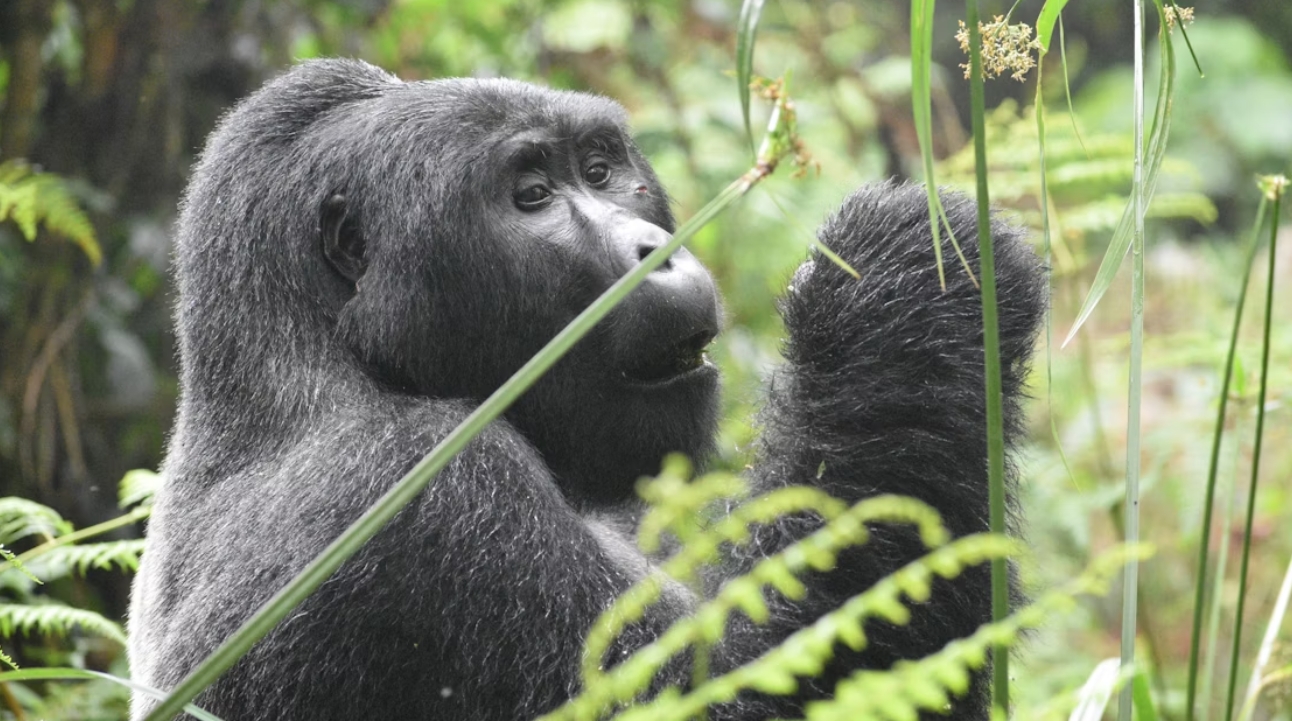
Birds of Bwindi Impenetrable Forest
Birds of Bwindi Impenetrable Forest: This is one of Uganda’s top birding destinations that supports birdlife with 361 bird species recorded. The park has 23 bird species that are endemic to the Albertine Rift, and 14 of them are endemic to Bwindi. Bwindi Impenetrable Forest is one of Africa’s oldest forests, located in southwestern Uganda, with a unique and remarkable biodiversity. Besides gorilla trekking, there is much more to Bwindi, such as birdwatching, nature walks, hiking, and cultural encounters, among others. For years, roughly 25,000 years ago, the 325-kilometer Bwindi Impenetrable National Park was covered by the edge of the Albertine Rift Valley, making it one of the best places to go birdwatching due to numerous Albertine Rift endemic species, mostly in the tropical rainforest of the Ruhija sector’s strong breeze.
Despite being a popular destination for mountain gorillas, the park is also a haven for birdwatching, with several bird species. Bwindi Impenetrable National Park is home to over half of the world’s mountain gorilla population, which is distributed in the park’s four sectors of Ruhija, Buhoma, Rushaga, and Nkuringo. The park has 23 habituated mountain gorilla families, 2 of which are semi-habituated and are open to guests for habituation. However, most travelers who visit Bwindi for gorilla trekking and habituation safaris also indulge in birdwatching, especially before or after the mountain gorilla trekking experience.
Birding activities in Bwindi are carried out in the Ruhija and Buhoma sectors due to their outstanding birding views, especially along the park trails such as the Buhoma water trail, the Bamboo Zone, and the Mubwindi Swamp trail. This activity is always guided by armed ranger guides with knowledge about the best birding trails and also for safety reasons, especially from the park’s dangerous animals.
Birds of Bwindi Impenetrable Forest
These include the Grey-cheeked Hornbill, Toro Olive Greenbul, Oriole Finch, African Goshawk, Grey Crowned Crane, Little Grebe, Pin-tailed Whydah, African Flycatcher-chat, African Golden-breasted Bunting, Yellow-fronted Canary, Snowy-crowned Robin-chat, Pink-footed Puff Back, African Wood Owl, Mackinnon’s Shrike, Waller’s Starling, Grey Wagtail, Crested Guinea Fowl, Blue Spotted Wood Dove, Barred Long-tailed Cuckoo, Dusky Twin Spot, Ansorge’s Greenbul, Hottentot Teal, African Olive-pigeon, Petit’s Cuckoo-shrike, Rwenzori Batis, Blue Spotted Wood Dove, White-throated Greenbul, Tambourine Dove, and Cassin’s Flycatcher.
More bird species to see in Bwindi include Lizard Buzzard, Doherty’s Bush-Shrike, Shikra, Green Crombec, Died Erik Cuckoo, African Broadbill, Great Blue Turaco, Black Swift, African Hill Babbler, African Dusky Flycatcher, White-headed Saw-wing, Angolan Swallow, Purple-breasted Sunbird, Zebra Waxbill, Common Sandpiper, Blue-headed Sunbird, Brown-capped Weaver, Shelly’s Crimsonwing, African Citril, Scaly Francolin, African Paradise Flycatcher, Klaas’s Cuckoo, Luhder’s Bush-Shrike, Yellow-streaked Greenbul, Willcocks Honeyguide, Black Bee-eater, Carruthers Cisticola, Rwenzori Nightjar, Dwarf Honeyguide, Cattle Egret, Banded Prinia, Red-chested Flufftail, Woolly-necked Stork, and Red-capped Robin-chat.
Other birds include the Speckled Mousebird, Horus Swift, Fine-banded Woodpecker, African Pygmy Kingfisher, White-winged Tit, and Forest Robin. Arrow Marked Babbler, Chapin’s Flycatcher, Oberlaender’s Ground Thrush, Brown Illadopsis, Ross’s Turaco, Hairy-breasted Barbet, Woodhouse’s Anti Antpecker, Chapin’s Flycatcher, White-spotted Flufftail, Mottled Swift, Chestnut-throated Apalis, Sooty Falcon, Marsh Tchagra, Eurasian Hobby, Fine-banded Woodpecker, Western Nector, Brown-chested Alethe, Short-tailed Warbler, Plain-backed Pipit, Helmeted Guinea Fowl, Elliot’s Woodpecker, Rock Martin, Afed Pigeon, Short-tailed Warbler, Bocage’s Bush-Shrike, Hadada Ibis, Singing Cisticola, Green Hylia, Equatorial Akalat, African Hawk Eagle, Palmnut Vulture, Ayres Hawk Eagle, Copper Sunbird, Black Crake, African Pygmy Kingfisher, Buff-spotted Woodpecker, Tit Hylia, and Papyrus Canary, among others.
Best Time to See Birds of Bwindi Impenetrable Forest
Birding in Bwindi Impenetrable National Park can be done all year round, but the best time is always during the dry season, which is characterized by an influx of migratory birds, the ripening of fruits, and an increase in food supply. Although some months are better than others, March and September are the best months. However, June and July always receive little rainfall, while March to May and September to November receive heavy rainfall. Therefore, the dry season is the most ideal time for birding in Bwindi Impenetrable National Park. This period is characterized by short vegetation cover, clear skies, and dry and passable birding trails that are convenient to birdwatchers. However, heavy rains tend to interfere with bird-watching time, leading to delays due to impassable birding trails.
Despite the low turnout of tourists during the wet season, birdwatchers can take advantage of significant savings on accommodations and other services. However, because of the muddy, wet, and slippery birding routes, as well as the dense foliage that obstructs clear views for birdwatching, the rainy season discourages both migratory birds and birdwatchers from visiting the park.
Packing list for bird watching in Bwindi
Essential to pack during your birdwatching safari to Bwindi are a voice recorder, rain jacket, camera, a pair of binoculars, waterproof hiking shoes, long-sleeved pants, long-sleeved shirts, a telescope, gardening gloves, extra batteries, insect repellent, a notebook, a birding book, a backpack, energy-giving snacks, a drinking water bottle, a face mask, a pen, a brimmed hat, and others.
Accommodation on a birdwatching safari in Bwindi
Accommodation in the Buhoma sector
Silverback Lodge, Buhoma Lodge, Engagi Lodge, Volcanoes Bwindi Lodge, Sanctuary Gorilla Forest Camp, Mahogany Springs Lodge, Bwindi View Bandas, Ride 4 Women Guest House, Buhoma Rest Camp, Haven Lodge, and Bwindi Forest Lodge.
Accommodation in the Ruhija sector
Ruhija Community Rest Camp, Bakiga Lodge, Gorilla Mist Camp, Agandi Lodge, Gift of Nature Lodge, Ruhija Gorilla Friends Resort, Cuckoo Land Tented Lodge, Eco Marvels Gorilla Lodge, Trekkers Tavern, Ruhija Gorilla Safari Lodge, Broadbill Forest Camp, among others.
Accommodation in the Nkuringo sector
Gorilla Heights Lodge, Virunga Campsite, Clouds Mountain Gorilla Lodge, Mutanda Eco Community Centre, Nshongi Camp, Crested Crane Bwindi Hotel, Lake Mulehe Gorilla Lodge, Nkuringo Bwindi Gorilla Lodge, Bwindi Backpackers Lodge, among others.
Accommodation in the Rushaga sector
Four Gorillas Lodge, Rushaga Gorilla Haven Lodge, Rushaga Gorilla Lodge, Rushaga Gorilla Camp, Bwindi Jungle Lodge, Gorilla Valley Lodge, Nsongi Camp, Rushaga Gorilla Resort, Wagtail Eco Safari Lodge, Ichumbi Gorilla Lodge, and Lake Mulehe Gorilla Lodge.