Gorilla Trekking in Bwindi Impenetrable National Park
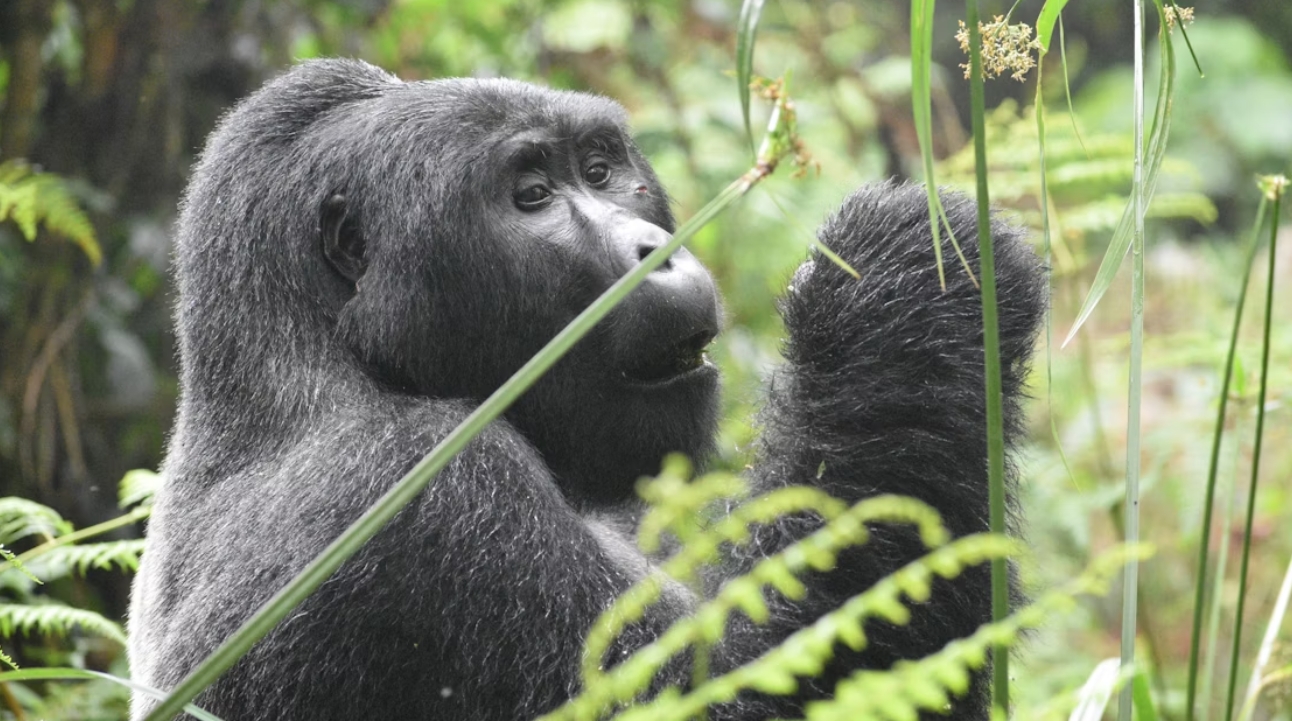
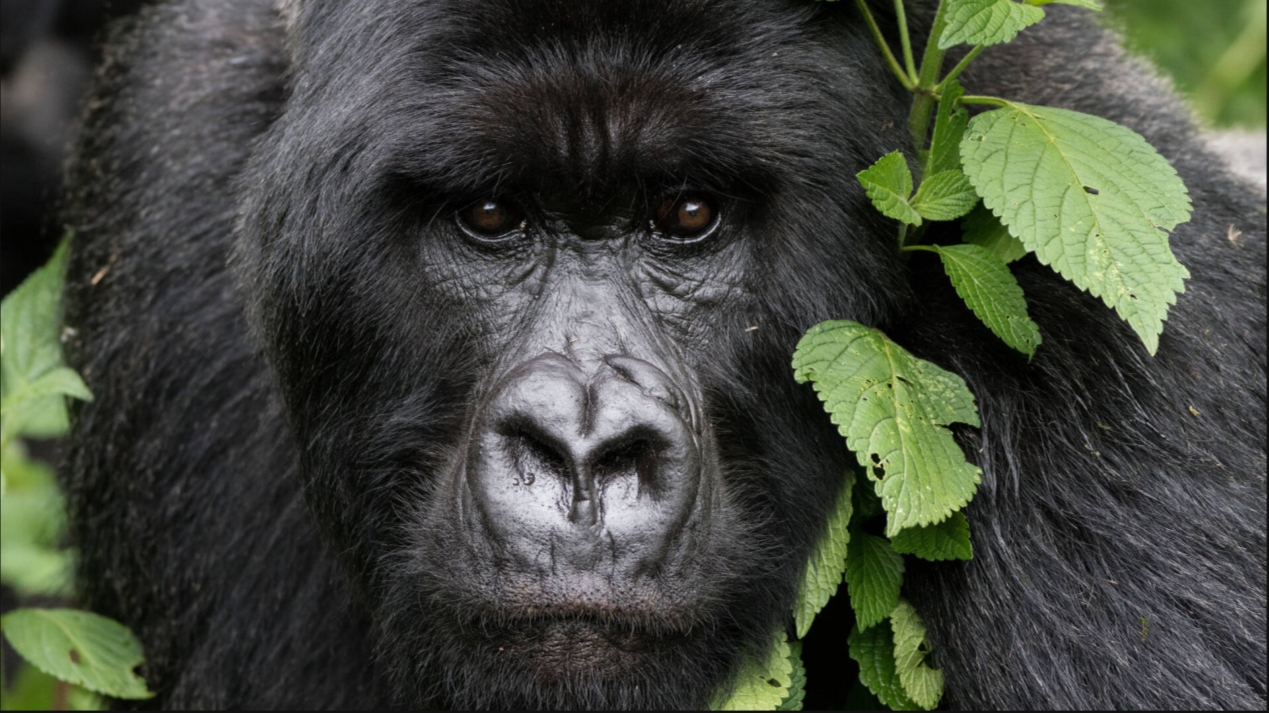
Gorilla trekking in Bwindi Impenetrable National Park is an unforgettable adventure experience that offers visitors the opportunity to get close and personal with the majestic mountain gorillas in their natural habitat. Mountain gorillas attract a large number of visitors from around the world to witness the magic behind these endangered species of primates, which are popular for being similar and close relatives to humans, sharing over 98% of their DNA with humans. It’s always a dream come true for most nature lovers, primatologists, and wildlife enthusiasts to see their close relatives in their natural habitats.
Bwindi Impenetrable Forest National Park is among the few remaining destinations where visitors can access and see mountain gorillas in their wilderness. Bwindi has the highest number of these apes, with three-quarters of them being habituated and familiar with human presence around them. Gorilla trekking in Bwindi, Uganda, offers you a chance to look for these gentle giants and spend an hour with them in their natural habitat.
Why Bwindi Gorilla Trekking?
Bwindi Impenetrable National Park has the highest concentration of mountain gorillas in the world. This lush, impenetrable jungle boasts over 459 mountain gorillas, which is more than half of the mountain gorilla species left in the world. Gorillas of Bwindi Impenetrable National Park reside in four sectors of the park, including Buhoma, Ruhija, Nkuringo, and Rushaga. This offers visitors a chance to have variety in their choice of selection of sectors, subject to availability.
Many travelers prefer conducting gorilla trekking in Bwindi Impenetrable Forest National Park due to its high number of gorilla permits available each day. While Mgahinga National Park has 8 permits for the day, Bwindi Impenetrable Forest National Park has over 148 permits. Even though permits may seem plentiful in Bwindi, many trekkers frequent Bwindi Impenetrable National Park, so we strongly advise travelers to stick to early permit booking when permits are still available.
Bwindi Gorilla Trekking Permits
Travellers planning to see mountain gorillas in Uganda’s Bwindi Impenetrable National Park need either a gorilla trekking permit or a gorilla habituation permit, which are issued by the governing body of the Uganda Wildlife Authority to strictly tour operators with licenses from the Uganda Tourism Board. Gorilla permits are documents that are given to tourists to provide at the park headquarters as proof of access before being allowed to trek mountain gorillas.
The gorilla trekking or habituation permit costs are categorized based on one’s place of origin and residence. Gorilla trekking permits cost $800 for foreign nonresidents, $700 for foreign residents, $500 for the rest of Africa, and UGX300,000 for East African citizens or member states. To authenticate your category, you will need to present a passport or national identity card from your place of origin.
On the other hand, gorilla habituation experience costs $1500 for foreign nonresidents and $1000 for foreign residents and the rest of Africa, while citizens of East African member states pay UGX750,000. Tourists who purchase gorilla habituation permits have the opportunity to spend four hours with the semi-habituated gorillas as they get used to humans.
Bwindi-Gorilla-Trekking Experience
Bwindi gorilla trekking is carried out in four sectors of the park, and these include Ruhija, Rushaga, Buhoma, and Nkuringo, Ruhija. The trekking activity begins early morning at the different park headquarters, starting with a briefing about the exercise. The rangers sensitize the trekkers about the dos and don’ts of the activity for the safety of the gorillas and the trekkers while in the jungle. A team of armed ranger guides is allocated to lead each group of trekkers in the jungle and show them the right trails to use while searching for the whereabouts of these mountain gorillas.
From the briefing point at the park information centre, trekkers are driven to the starting point next to the forest, where they are left to enter the jungle with the armed ranger guides. Since different trekking trails are used, trekkers get a chance to encounter some of the forest mammals, several primates, and bird species. Locating the mountain gorilla families might take a duration of two to three hours, depending on the nature of the trails and the location of the gorillas at that time.
Once mountain gorillas are spotted, trekkers spend a maximum of an hour with the magical gorillas. This always offers a chance to learn about their gorilla habits and watch them carry out activities like breastfeeding, nesting, mating, playing, hunting, and others. Travellers should feel free to take photos and capture videos of mountain gorillas for future memories.
After spending this precious time with the mountain gorillas, trekkers are asked to return, leaving the mountain gorillas to continue with their day-to-day activities. As visitors get out of the jungle, they will still get an opportunity to encounter different attractions of the park, such as primates, birds, and tree and plant species. Trekkers are all given trekking certificates as proof of participation in gorilla trekking and in appreciation of their unwavering contribution to their conservation.
Things to Pack for Bwindi Gorilla Trekking
For travellers to enjoy gorilla trekking in Bwindi Impenetrable Forest, they should not dare to miss out on the following essentials in their pack. Your packing list for gorilla trekking should include long-sleeved shirts, long-sleeved shorts, a pair of gaiters, waterproof hiking shoes, long cotton socks, long-sleeved clothes, a hat, a face mask, sunglasses, sunscreen, a pair of binoculars, trekking poles, insect repellent, sunscreen, a camera, a rain jacket, energy-giving snacks, a drinking water bottle, and others.
Where to Stay in Bwindi?
Visitors on a gorilla trekking safari in Uganda’s Bwindi Impenetrable National Park should know that the park offers lots of accommodation facilities, giving comfort and keeping their dreams alive. These range from luxury to budget options, based on their budget. Since Bwindi has various sectors, travellers who always book lodges by themselves are advised to book accommodation in the sectors they are trekking in.
These lodges include Sanctuary Gorilla Forest Lodge, Buhoma Lodge, Bakiga Lodge, Gorilla Leisure Lodge, Bweza Lodge, Burunga Gorilla Lodge, Four Gorillas Lodge, Bwindi Neck View, Mahogany Springs Lodge, Ride 4 a Woman, Gorilla Heights Lodge, Rushaga Gorilla Camp, Chameleon Hill Forest Lodge, and Gorilla Forest Lodge, to mention but a few.
Getting to Bwindi for Gorilla Trekking
Bwindi Impenetrable National Park is situated in the southwestern part of Uganda in the districts of Kanungu, Rubanda, and Kisoro, and can be reached by either air transport or road transport. Air transport is the quickest way to connect to Bwindi Park, which has 2 airstrips: Kihihi Airstrip and Kisoro Airstrip. Airline companies such as Aerolink Uganda, Pearl Sky, and Bar Aviation Authority have flights to and from Bwindi for luxury travellers and those who hate road transport, especially travelling for long distances.
Road transport in Uganda is the most common means of transport used to connect to Bwindi Impenetrable Forest National Park. From Entebbe/Kampala, the drive takes about 9 to 10 hours, coming with a number of stopovers and great views along the way. The journey takes you from Entebbe/Kampala, where tourists go through Mpigi, Masaka, Lyantonde, Mbarara, Kabale, or Kisoro across different sectors of the park.
Best Time to Go to Bwindi
The dry seasons of the year, which occur in the months of June to September and December to February, are the ideal months of the year to go gorilla trekking in Bwindi Impenetrable National Park. These months receive little or no rainfall, which keeps the trekking trails dry and easier to trek through. The vegetation is short and dry, offering visibility of wildlife species such as mountain gorillas and monkeys, and the best photography. Tourists may still travel during the rainy season, but there is plenty of rainfall and little sunshine, keeping the trails muddy and slippery.