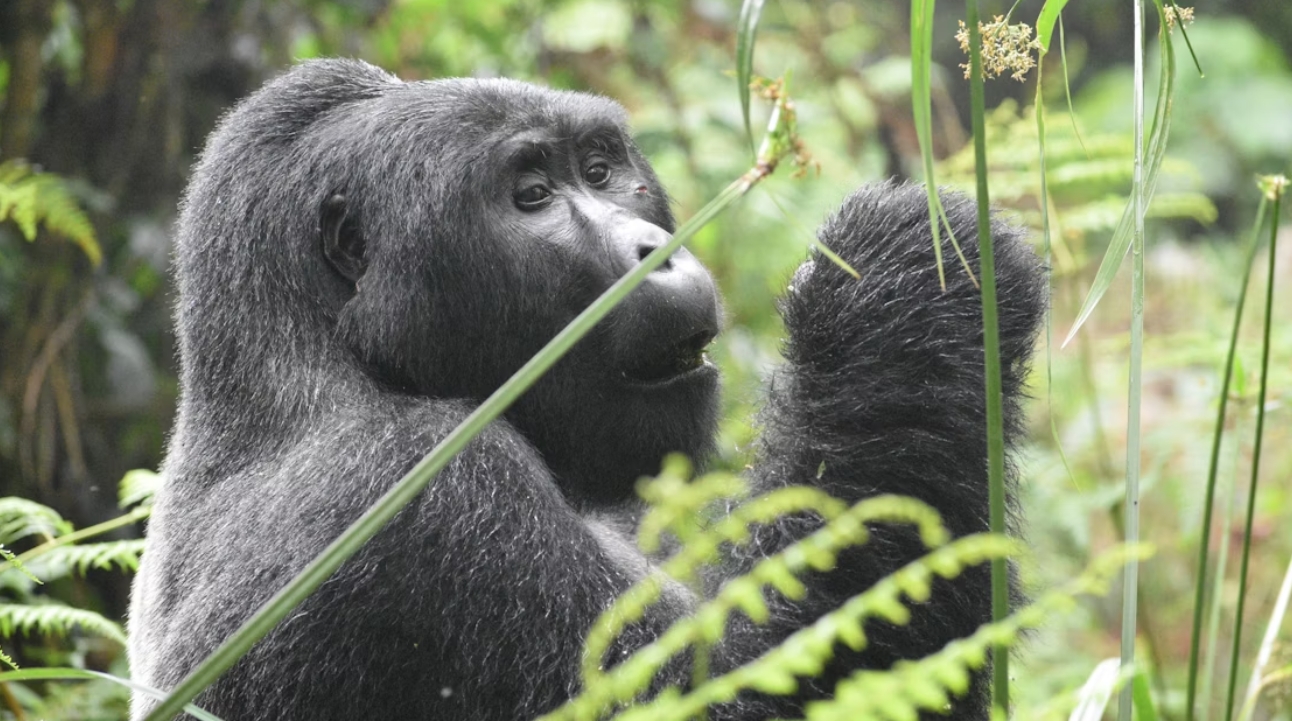
Facts About Silverback Gorillas
Facts About Silverback Gorillas: An alpha adult male gorilla, usually older than twelve years, with a silver lining or patch on its back is called a silverback. Gorillas are the largest primate species on the planet, according to a study. Given that their DNA is almost 98% comparable to that of humans, gorillas are the closest cousins of man after bonobos and chimpanzees. The immense forests of East, Central, and Western Africa are home to gorillas. The eastern and western gorillas are the two primary species of gorillas.
Following the facts about silverback gorillas, around 300,000 Western lowland gorillas, 5,000 Eastern lowland gorillas, 1,000 mountain gorillas, and fewer than 400 Cross River gorillas are currently in the world. The International Union for Conservation of Nature (IUCN) has classified all gorilla subspecies as severely endangered. This is because, during the past century, their numbers have drastically decreased. The biggest threats to the survival of wild gorillas are human diseases, habitat loss, and poaching for meat.
Facts About Silverback Gorillas
The alpha male gorilla, habitually above 12 years old, is referred to as a silverback, based on the silver patch line on its back. The platoon commanders are the powerful, commanding silverbacks. In a troop of five to thirty gorillas, each person usually serves as the focal point of the group, making all decisions, resolving disputes, directing the group’s movements, escorting the others to feeding locations, and also securing the troop’s safety and welfare.
Following the facts about silverback gorillas, at 11 years old, males will start to gradually depart from their original colony. They will wander alone or with other men for two to five years before they can recruit females to create a new group and begin mating. Infant gorillas often remain with their mother for three to four years; however, silverbacks will look after small orphans that have been weaned.
Once the silverback feels threatened or challenged by these juniors or external males, it makes a hoarse sound and then roars while pounding its chest, flashing its teeth, destroying tree leaves, and charging while moving forward. Due to age, the older male often gives up leadership to the younger male, and the family will scatter looking for a new protective male. Other factors that may bring this out include sickness, poaching, an accident, and combat fighting, among others.
Diet-Facts
Following the facts about silverback gorillas, the diet of these gorillas Silverback Gorilla consists of fresh vegetation, including leaves, fruits, and shoots, among others. Additionally, they adore termites, ants, and some other insects. The nutrition of silverback mountain gorillas is a little different. Compared to other gorilla species, they enrich their diet with a wide range of foodstuffs, ranging from plant species like tree barks, leaves, stems, and stalks, as well as mushrooms and ants, depending on the nature of the season.
Physical Strength of a silverback gorilla
Following the facts about silverback gorillas, As of right now, though, no human-gorilla conflict has been reported. However, in the case that this happens, it is always clear who won. A furious male gorilla would viciously beat the man one-on-one. Silverback gorillas are never this aggressive unless they are in immediate danger.
Threats
Following the facts about silverback gorillas, the loss of mountain gorilla habitat is a significant threat to their survival, primarily caused by human activities such as land competition for construction, agriculture, and habituation, as well as the exploitation of other natural resources. Because poaching causes some of these gentle giants to sustain passive injuries, poachers pose a serious threat to these mountain gorillas.