Bwindi Gorilla Park Families
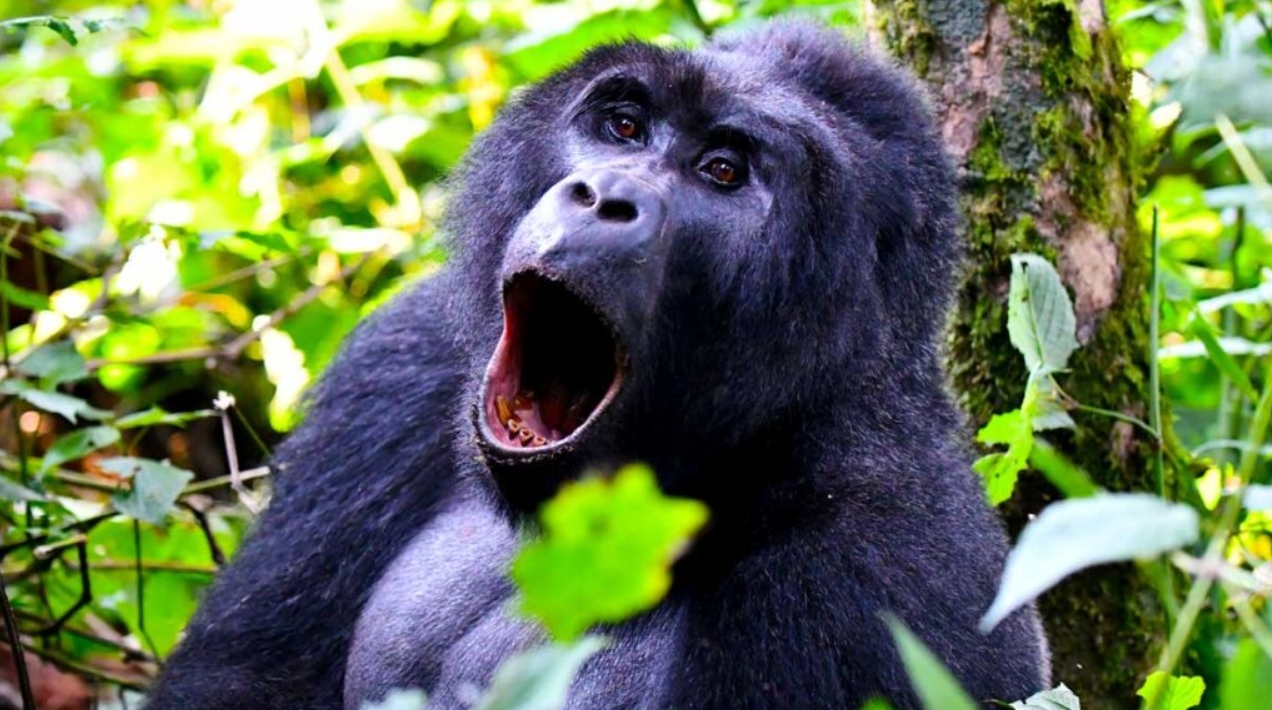
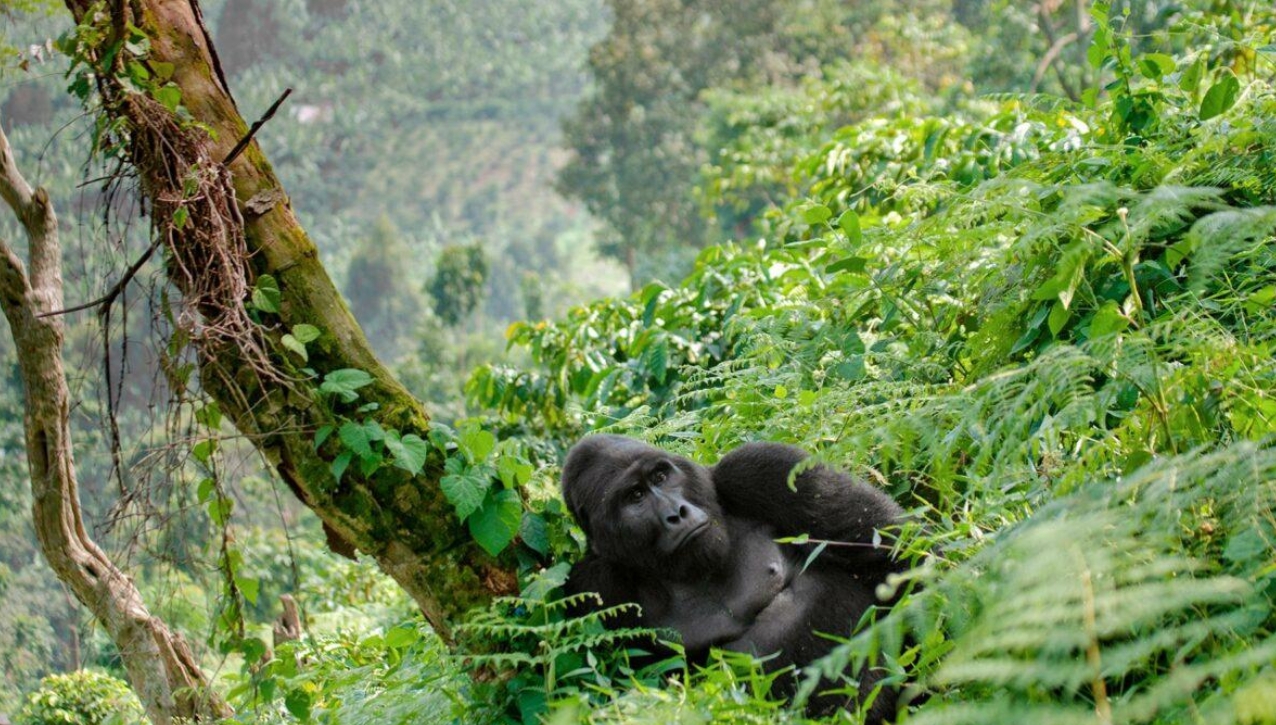
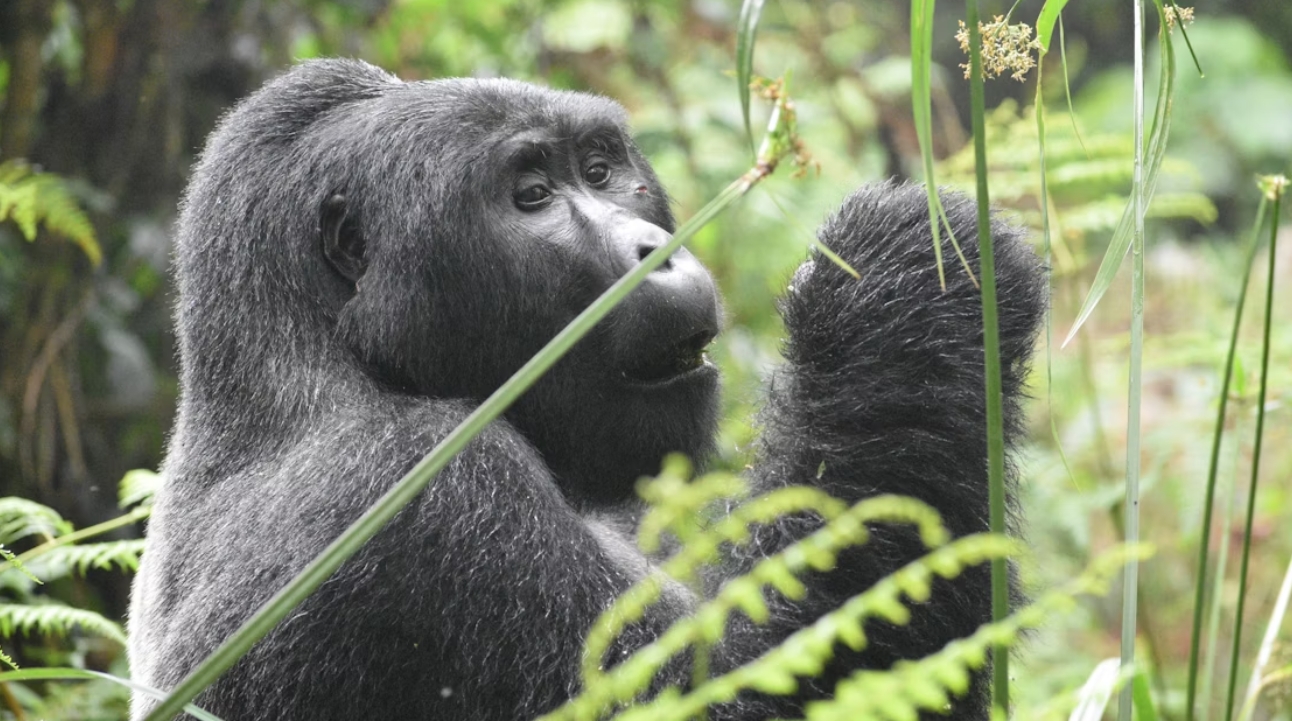
Bwindi Gorilla Park Families: Bwindi Impenetrable National Park is one of Uganda’s top destinations, renowned for its gorilla tracking safaris, which can be experienced in both Bwindi Impenetrable National Park and Mgahinga National Park. Bwindi alone is home to over 459 mountain gorillas with 23 mountain gorilla families, which makes Bwindi a remarkable destination for primate safaris.
Bwindi Impenetrable National Park is located in southwestern Uganda, a UNESCO World Heritage Site that was gazetted in 1991 to restore and preserve the once extinct and endangered mountain gorillas and their natural habitat. The park spans over 332 square kilometers and features four gorilla trekking sectors: Buhoma, Nkuringo, Rushaga, and Ruhija.
Bwindi boasts the highest number of mountain gorillas globally, which exceeds 459 individuals, more than any other gorilla park in Africa. Most of these mountain gorillas have been habituated to meet the tracking standards. This park currently has 23 gorilla trekking families, 22 of which are subjected to standard gorilla trekking, and 1 gorilla family located in Rushaga is reserved for gorilla habituation experiences. These gorilla families are distributed in different sectors of the park, and these include:
Gorilla Families in the Buhoma Sector
The Buhoma sector is situated in the northern part of Bwindi Impenetrable National Park and boasts over six mountain gorilla families, including the oldest family in the park. Gorilla families in the Buhoma sector of Bwindi include the Mubare gorilla family, which is headed by the silverback Ruhondeza; the Katwe gorilla family, which is headed by the silverback Katwe; the Habinyanja gorilla family, which is headed by the silverback Makara; the Rushengura gorilla family, which is headed by the silverback Mwirima; the Muyambi gorilla family, which is headed by the silverback Muyambi; and the Binyindo gorilla family.
Gorilla Families in the Ruhija Sector
The Ruhija sector is another gorilla trekking sector in Bwindi Impenetrable National Park and is located in the eastern part of the park. This gorilla trekking sector boasts four mountain gorilla families, and these include the Kyaguliro gorilla family, which is headed by the silverback Rukara; the Mukiza gorilla family, which is headed by the silverback Mukiza; the Bitukura gorilla family, which is headed by Ndahura; and the Oruzogo gorilla family, which is headed by Tebirikwata, all found within the Ruhija sector.
Gorilla Families in the Nkuringo Sector
The Nkuringo sector is located in the far southern part of Bwindi Impenetrable Forest National Park, and it is considered to have the least number of mountain gorilla families in the park. This sector is home to 4 gorilla families, including the Christmas gorilla family, which is led by a silverback named Christmas; Nkuringo, which is led by a silverback named Rwamutwe; Bushaho, the mountain gorilla family open for habituation led by a silverback named Bahati; and the Posho gorilla family.
Gorilla Families in the Rushaga Sector
The Rushaga sector is also one of the unique destinations in Bwindi with incredible gorilla trekking families. It is situated in the southern sector of Bwindi Impenetrable Forest National Park and is home to the highest number of mountain gorilla families in the park.
The gorilla trekking sector boasts over 8 mountain gorilla families, including the Nshongi gorilla family, which is led by a silverback named Kakono; the Mucunguzi gorilla family, led by Mucunguzi; the Kahungye gorilla family, led by a silverback named Rumanzi; the Busingye gorilla family, led by a silverback named Rwigi; the Bikingi gorilla family, led by Bikingi; the Rwigi gorilla family, led by Rwigi; the Bweza gorilla family, which is led by a silverback named Bweza; the Kutu gorilla family, led by Kutu; the Tindatine gorilla family; and the Mishaya gorilla family.
Gorilla Trekking in Bwindi-Bwindi Gorilla Families
Gorilla trekking is the premier activity in all the trekking sectors of the park, where different gorilla families have been habituated and are open for trekking activities. The park has over 23 mountain gorilla families that are set for trekking activities to allow travelers to get close to mountain gorillas in their natural habitat. This encounter takes place for a maximum of an hour, and the tracking sector to visit is determined by the gorilla permit purchased.
To track the majestic gorillas of Bwindi Impenetrable National Park, a gorilla trekking permit is a must, and without it, the park wardens won’t allow you to take part in this fascinating activity. These gorilla trekking permits are issued by the Uganda Wildlife Authority early in advance at a fee of $800 for non-foreign residents, $700 for foreign residents, $500 for the rest of Africa, and UGX 300,000 for citizens of East Africa.
The gorilla trekking exercise in all the sectors of the park begins early in the morning at various information centers where visitors converge for a briefing concerning the exercise from the park wardens. These park wardens always check for these gorilla trekking permits and sensitize visitors about the rules and regulations of gorilla trekking. After, visitors are grouped into 8, followed by trekkers and armed ranger guides to lead the trekkers in the jungle.
The armed ranger guides lead visitors through the easiest and fastest routes to the assigned gorilla family after coordinating with the trackers to locate where the gorilla family is. This search mainly takes about 2-7 hours, and the duration depends on the pace of the trekkers and the location of the gorilla family based on the previous nesting point. Once these apes are spotted, you are allocated 1 hour to study and interact with mountain gorillas about their behaviors and take photos and videos as you enjoy watching them do their daily activities.
Gorilla Habituation-Bwindi Gorilla Families
This is one of the unique activities only done in Bwindi Impenetrable Forest National Park, not only in Uganda but in Africa at large. It takes place in the southern part of Bwindi Impenetrable Forest in the Rushaga sector, which is adjacent to the Nkuringo sector along the Uganda-Congo border. This gorilla habituation family is a semi-habituated group that is open for habituation in the Bikingi gorilla family.
The activity is done by 4 trekkers, all led by armed ranger guides who are accompanied by a team of conservationists, researchers, and primatologists. Once the gorilla family is spotted, 4 hours start counting, and trekkers take their time to study, learn, and take photos of these gentle giants in their natural settings. This activity allows trekkers to be part of the activities that make mountain gorillas get familiar with human presence around them.
For one to participate in gorilla trekking, you need an official gorilla habituation permit issued by the Uganda Wildlife Authority. Only 4 gorilla habituation permits in the dense jungle of Bwindi Impenetrable Forest are allocated to the park for visitors or trekkers who intend to do gorilla habituation. Each permit costs $1500 for non-foreign residents, $1000 for foreign residents, and UGX 750,000 for East African residents. However, those planning to do gorilla habituation in Bwindi should book their permits in advance, about 3-4 months, to avoid late disappointments and selling out.
What is the Best Time to Visit Bwindi Gorilla Families?
Bwindi Forest Park can be visited all year round, although some months are more convenient than others. The dry months that run from June to September and December to February are the best to visit the park for a gorilla trekking safari because these months experience intermittent rainfall, making the trekking trails dry, short, and thin with vivid views of wildlife, especially mountain gorillas, and the roads connecting to the park are easily accessible.
The park can also be visited during the rainy season, especially by budget travelers in March to May and from September to November. These months are subject to heavy rainfall, leading to the roads connecting to the park being slick and slippery, hence making them impassable, and the thick vegetation obscures the visibility of wildlife species. Since this wet season receives much rainfall, the park receives fewer crowds, which allows budget travelers to enjoy huge discounts on accommodation facilities.