Why is Rwanda Famous For Gorilla Trekking?
Why is Rwanda Famous for Gorilla Trekking? This article explores in depth the reasons Rwanda has become a global leader in gorilla tourism. Rwanda is internationally recognized as one of the best destinations in the world for gorilla trekking. Rwanda is so famous for gorilla trekking, especially when other African countries also host mountain gorillas. Why? The response to that question lies in a unique combination of successful conservation efforts, accessibility, premium tourism strategy, historical significance, and exceptional visitor experience.
Why is Rwanda Famous for Gorilla Trekking?
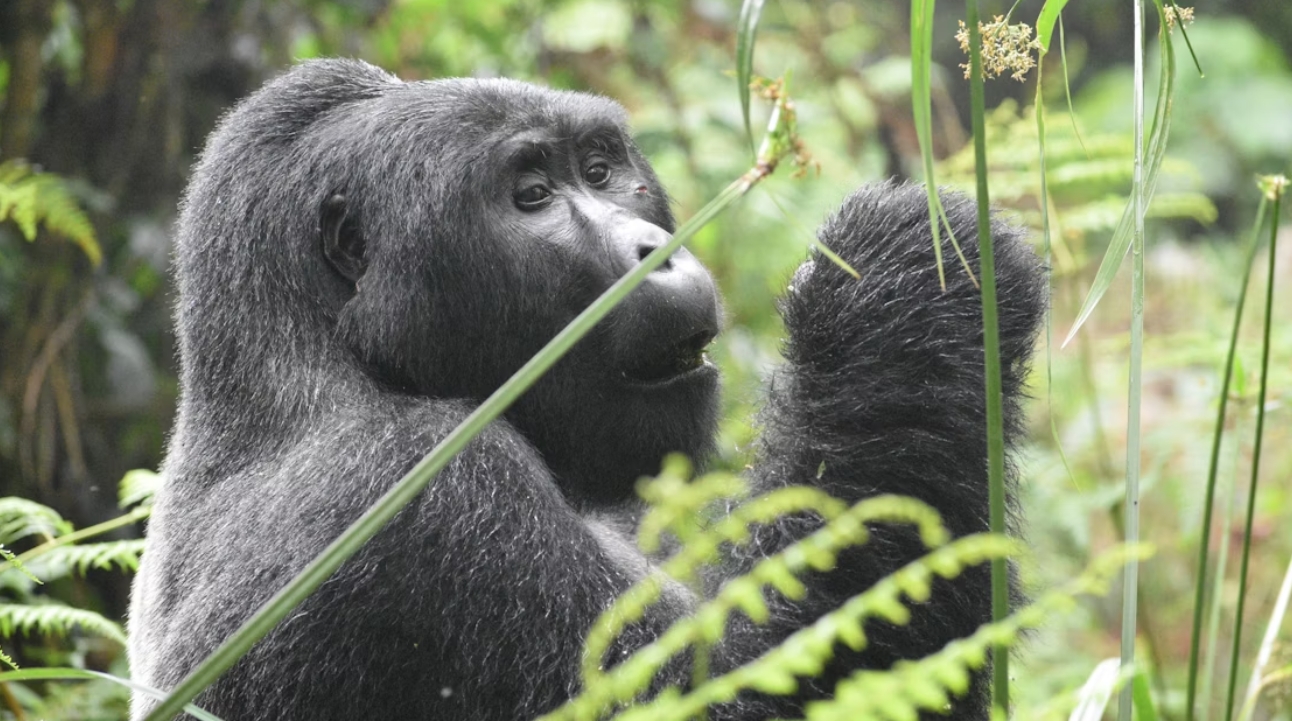
Despite Rwanda’s small size, the country has built a powerful global reputation for offering a safe, well-organized, and conservation-driven gorilla trekking experience that attracts travelers, conservationists, filmmakers, and luxury safari enthusiasts alike. Rwanda is home to the endangered mountain gorillas, found in the Volcanoes National Park in the country’s northwest.
Part of the Virunga, a shared ecosystem with Uganda and the DRC, protected montane forest and bamboo habitat, several habituated gorilla families available for trekking, and a stable and increasing gorilla population due to conservation success. Mountain gorillas exist in only two regions in the world, thus making Rwanda one of the rare places where humans can encounter them in the wild.
Volcanoes National Park is special because it is located just 2 to 3 hours from Kigali; it is part of a chain of extinct and active volcanoes and scenic landscapes with misty forests and volcanic slopes; and the park is highly protected and well managed. Unlike other destinations that require long road journeys, Rwanda offers one of the shortest travel times from an international airport to gorilla trekking sites, making it ideal for short luxury trips. Rwanda’s fame in gorilla trekking is deeply rooted in its commitment to conservation.
The key conservation measures include strict limits on daily visitors, that is, 8 per gorilla family; high permit pricing to control visitor numbers; strong anti-poaching enforcement; continuous veterinary monitoring of gorillas; and community revenue-sharing programs. A significant portion of gorilla permit revenue goes directly into park infrastructure, local community development, gorilla protection, and ranger salaries.
Rwanda is often cited as a global model for conservation-led tourism. Rwanda follows a criterion whereby it is able to generate more revenue from the tourism sector by allowing a limited number of travellers or tourists at a time, and this makes Rwanda unique from other gorilla trekking destinations. This approach implies that fewer visitors per day exert less pressure on mountain gorillas, thus leading to higher-quality experiences and strong conservation funding.
Therefore, Rwanda’s standard gorilla permit price registers this model as a way of ensuring sustainability, controlled wildlife accessibility, and preservation of gorillas for generations. This model has helped Rwanda position gorilla trekking as a premium wildlife experience. Rwanda has invested heavily in high-end eco-lodges near Volcanoes National Park.
Features of Rwanda’s Accommodation Facilities
Features of Rwanda’s gorilla lodges include luxury cottages with volcano views, personalized service, proximity to park headquarters, eco-friendly architecture, and fine dining and wellness experiences. Rwanda’s opulent and premier accommodation facilities draw luxury visitors across the world, such as prominent figures, conservationists, filmmakers, naturalists, and photographers, among others.
This initiative has greatly improved Rwanda’s global reputation among its neighbors. Rwanda is widely regarded as one of the safest and best-organized countries in Africa. Rwanda’s terrain offers open bamboo forests, shorter trekking distances, better lighting conditions, and clear sightlines for photography; however, this popularity makes Rwanda especially popular with wildlife photographers, documentary filmmakers, and media crews.
Infrastructural development has greatly improved the road network to Rwanda’s gorilla tracking destinations of Volcanoes National Park, competent and skilled park rangers, effective park management, and a safe organization for visitors.
Flagship Destination for Gorilla Trekking
International events, conservation partnerships, and global marketing campaigns have reinforced Rwanda’s image as the flagship destination for gorilla trekking. Local communities benefit directly from gorilla tourism through employment opportunities (that is to say, local people are employed as porters and guides), revenue-sharing programs, education and healthcare projects (that is to say, the revenue generated is used to set up hospitals and schools), and cultural tourism initiatives. Generally, Rwanda as a country is popular for gorilla adventure excursions since it has significantly merged conservation, opulent accommodation, accessibility, and global leadership into one powerful tourism model.
Rwanda delivers a world-class gorilla trekking experience that few destinations can match, from Volcanoes National Park’s scenic landscapes to its premium lodges and strict conservation policies. While other countries also offer remarkable gorilla encounters, Rwanda stands out as the benchmark destination, setting international standards for sustainable wildlife tourism and gorilla protection.
This level of organization creates confidence among international travelers and tour operators. While gorillas are the main attractions, Rwanda enhances the experience with golden monkey trekking, cultural village visits, scenic lakes, hiking, and volcano climbs, and community-based tourism experiences. All these additions enrich itineraries and attract travelers seeking diverse yet compact adventures.
Therefore, Rwanda, as a gorilla destination, has significantly branded itself as a conservation model, a premier luxury ecotourism destination, a haven for travelers, and a modern African country.