Where to See Elephants in Uganda
Where to See Elephants in Uganda: Large game mammals like elephants, buffalo, and lions are among the many wildlife species that can be found in Uganda, one of the African countries endowed with a rich biodiversity. Savannahs, wetlands, undulating landscapes, acacia woods, marshes, and water bodies, including lakes, rivers, and water channels, are all part of the country’s rich ecology, which is home to a wide range of living organisms and ecosystems.
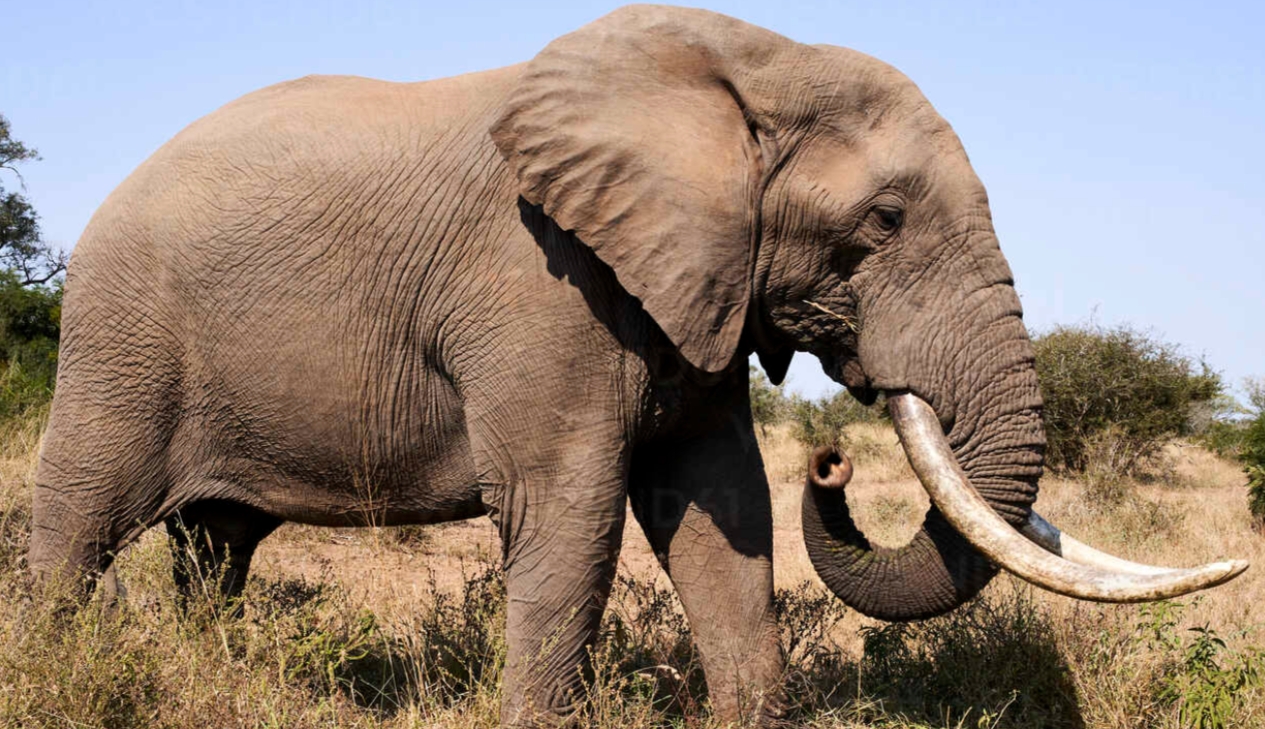
Elephants are typically classified into two categories worldwide: Asian and African. African elephants are larger and have larger ears that are shaped like an African map, hence the name African elephants. Asian elephants are smaller and have smaller ears. Africa has two categories of African elephants, and these include: the African forest elephants and the African savanna elephants. These two species can also be found in Uganda’s Queen Elizabeth National Park and other protected areas.
Where to See Elephants in Uganda
Compared to the African elephant, which is larger, has pale skin, and has tusks that are longer and wider, these African forest elephants are smaller, darker-skinned, and have shorter, streamlined, straight tusks. This makes it easier for them to engage in daily activities like digging potholes for water, protecting themselves, fighting, playing with others, and sourcing food, particularly when pushing heavy stems and tree trunks.
Elephants in Uganda are mostly found in savanna parks, such as Queen Elizabeth National Park, which is the second-biggest park in the country and has the largest population of any park in Uganda, with over 2,500 elephants. Other parks are Kidepo Valley National Park and Murchison Falls National Park. The African forest elephant and the African savanna elephant are both found in Queen Elizabeth National Park.
Who heads the herd?
Elephants are led by an older matriarchal female who is in charge of all the other animals in the herd. She makes decisions and oversees the entire group, including the men. The best male-breed will always be chosen by her to mate with the females in the group, even throughout the mating period. When the young males reach adulthood, the older matriarchal female will expel them from the family. Males will become more active during the mating season, where the matriarchal female has full rights to select the best candidate to mate with her females in the group.
Diet-Where to See Elephants in Uganda
Following where to see Elephants in Uganda, they feed on grass, plants, leaves, saplings, tree barks, fruits such as yellow bananas, water melons, mangoes, among others. In order to reach the leaves, which may appear far away, they frequently have to push down massive trees. This is a further method of obtaining nutrients that are inaccessible to them. The leaves and roots of the fallen tree might be consumed by elephants after it has fallen. The environment is improved because it also keeps other grass alive.
How do elephants communicate?
Following where to see elephants in Uganda, these majestic giants are unique creatures that communicate in various ways. Unlike perceiving information using their eyes, they also comprehend and record what they come across using their eyes and the rich brain, retain it, and eventually be able to recall it after a period of time. They always collect information using their feet and converse in silence. They always have force in every pose and grace in every step, and their ears pick up the breeze whispers. They are very sensitive and always feel more than they exhibit, and their listening skills are far more than they talk.
Despite being essential messages and conversations, it is quite difficult for humans to hear what they are communicating. Their sounds are too low for even humans to hear; thus, they always use infrasonic rumbles to communicate. Like subterranean phone calls, these rumbles travel several miles through the earth.
They can actually communicate with relatives who live far away. Rumbles can indicate several things, like “danger approaching,” “I’ve found water,” “I’m here,” “let’s move,” and many more. The females use distinct rumbles to summon their young, and the infants instantly recognize their mother’s voice. You know what’s amazing? These vibrations are audible to other elephants through their trunks and feet. They are discussing food, water, treats, and family news in intricate ways.
Why do elephants charge?
Elephants can charge in various ways for various reasons, and because of their size and strength, the results can be deadly. The following are some typical causes of elephant charges:
When they feel threatened-Where to See Elephants in Uganda
Elephants are capable of violently defending themselves against the enemy if they perceive danger or any threat, particularly when they are carrying a calf. When their ears are open or flapped, it’s a sign of charging in these majestic creatures and vice versa.
Enduring mistreatment
Elephants that have experienced severe treatment, brutal treatment, or hunting may harbor resentment and even turn against people.
Habitat Loss-Where to See Elephants in Uganda
Conflicts between people and elephants may arise as a result of the destruction or shrinkage of these magnificent animals’ natural habitats, which may cause them to migrate into human regions in search of food.
When Injured
An elephant’s discomfort or anxiety may cause it to get irate if it is hurt or may be hurt. People should exercise caution and respect since these gentle giants are extremely strong and can attack or destroy anything in their path when they are upset.
Other animal species to see in Uganda.
Following where to see elephants in Uganda and Africa as a whole, Uganda is one of those countries endowed with rare animal species such as amphibians, reptiles, birds, mammals, and many others. In addition to the magnificent elephant, which is one of the big five, other large game animals that can be seen in Uganda’s protected regions include giraffes, lions, buffaloes, rhinos, leopards, many antelopes, and rare bird species.