What to Know About Gorillas?
What to Know About Gorillas? They are primarily herbivores and large ground-dwelling apes that live in the dense forests of equatorial Africa. The genus Gorilla is classified into two species, including the western and eastern gorillas, that are later subdivided into subspecies, whereby the western gorillas are divided into lowland gorillas (Gorilla gorilla gorilla) and cross river gorillas (Gorilla gorilla diehli). On the other hand, the eastern gorillas are further subdivided into Grauer’s gorillas, commonly known as the Eastern lowland gorillas (Gorilla beringei graueri), and mountain gorillas (Gorilla beringei beringei).
Gorilla Species—What to Know About Gorillas?
Eastern Lowland Gorillas
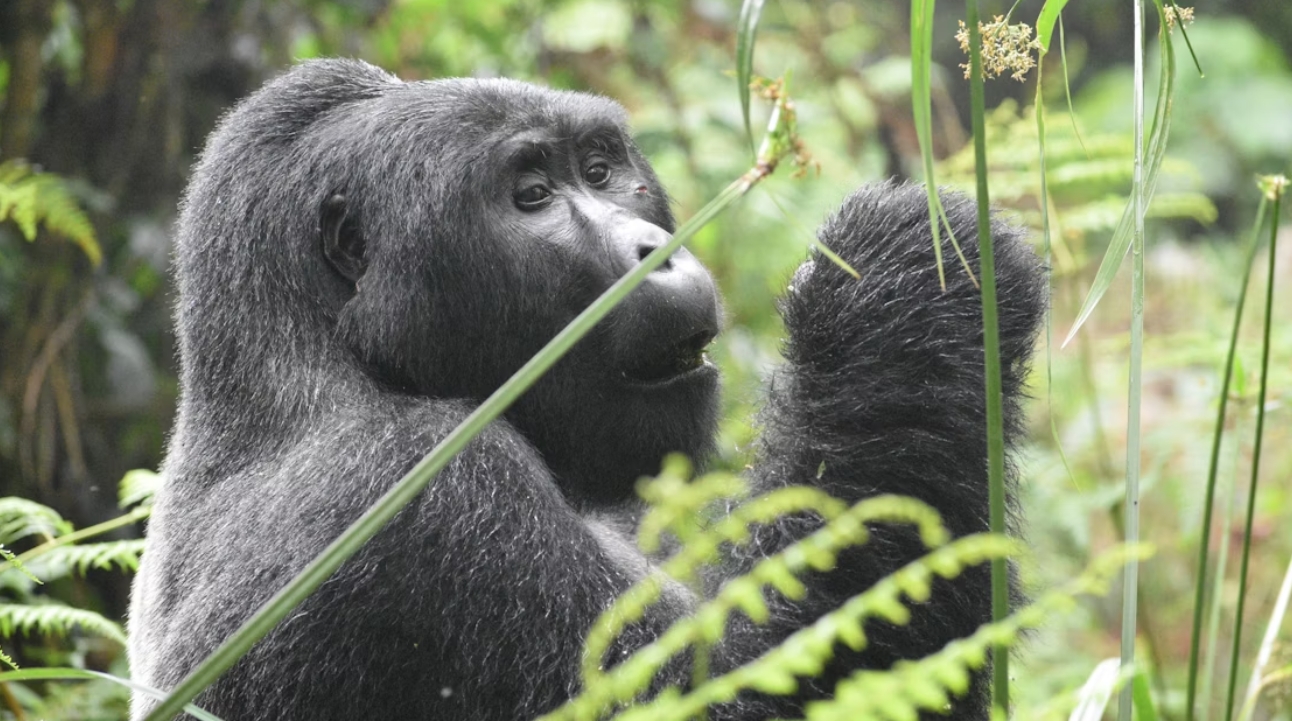
The Eastern Lowland gorillas are commonly found in three countries: Uganda, Rwanda, and the Democratic Republic of Congo. This species has two subspecies of gorillas, including mountain gorillas and Grauer’s gorillas. Research has it that about 1000 mountain gorillas exist in the wild, and a slightly bigger population of the Eastern gorilla exists in the wild.
Western Lowland Gorillas
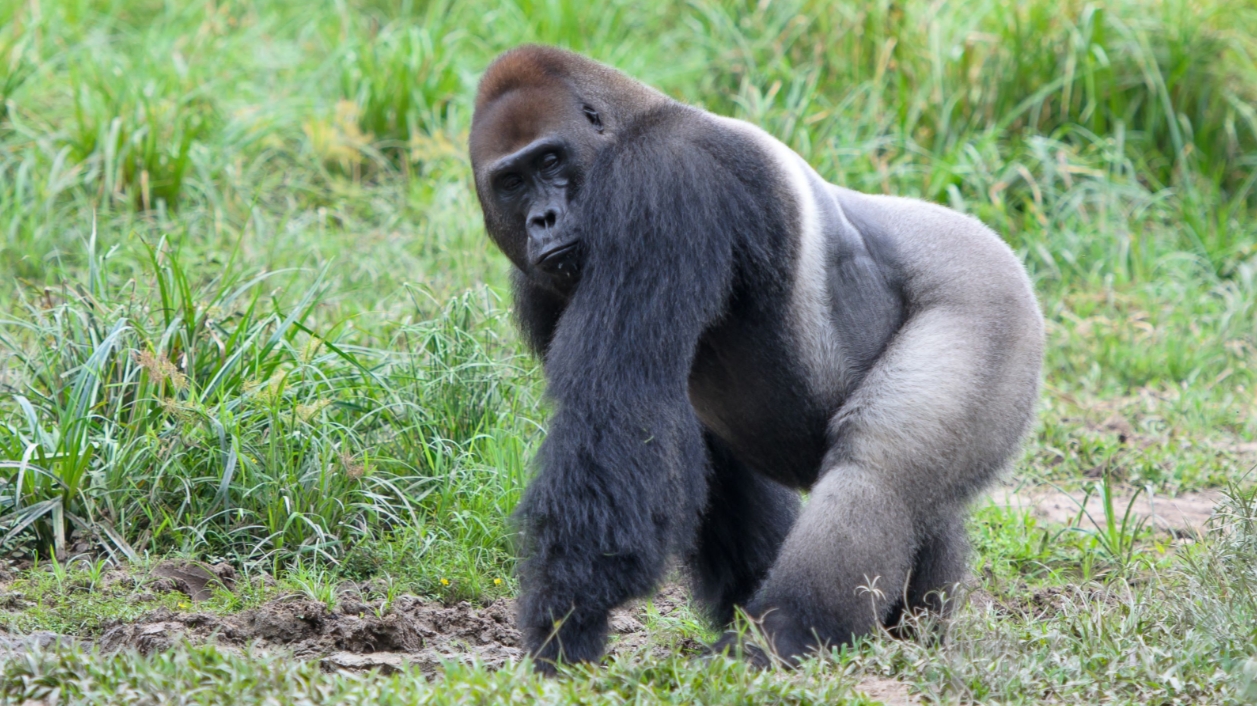
These western lowland gorillas are also divided into two subspecies, which include the Cross River gorillas and the western lowland gorillas. These gorillas live mainly in parts of Central and West Africa in countries such as Gabon, Angola, Nigeria, the Central African Republic, Cameroon, and Congo. They have registered a tremendous decline in their population due to habitat loss and human activities such as poaching and primate diseases. Mountain Gorillas
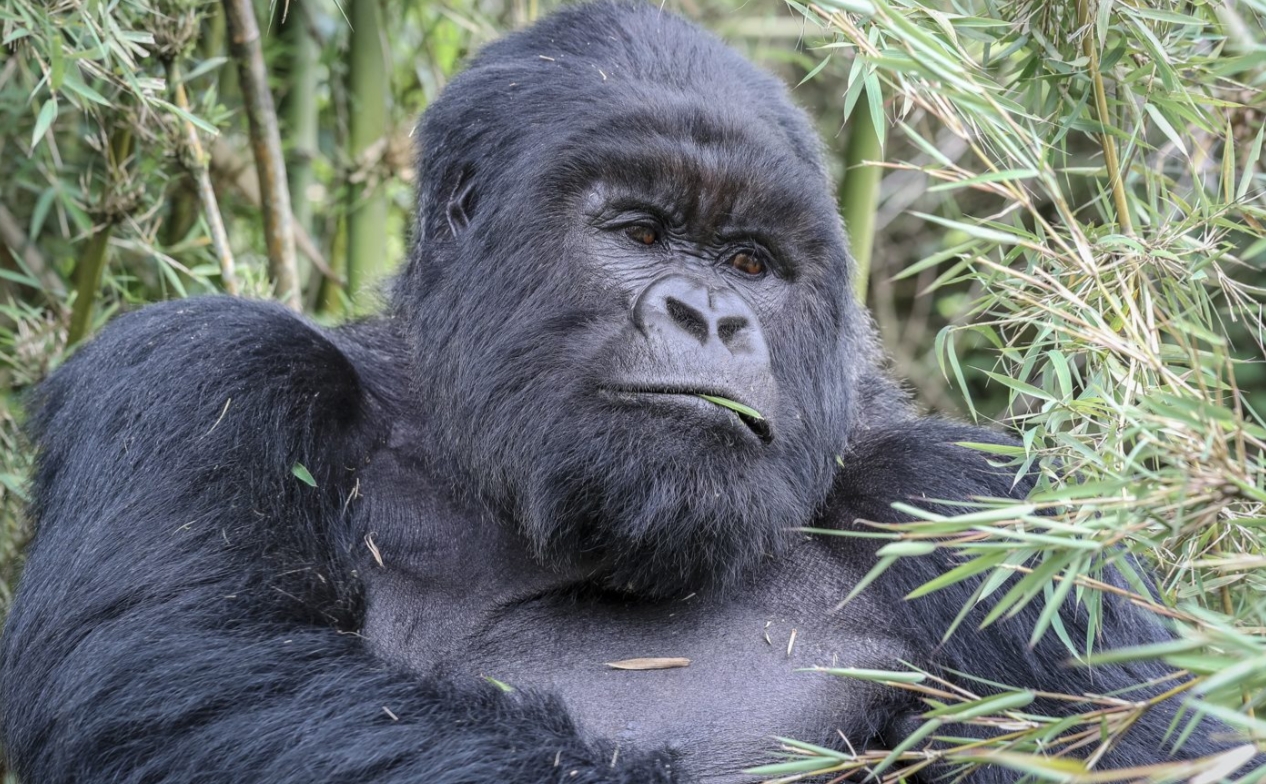
Mountain gorillas (beringei) mainly live in the highland areas of the Virunga Volcanoes that are shared by Uganda, Rwanda, and the Democratic Republic of Congo. They prefer living in high-altitude areas of more than 1000 meters above sea level, within the Virunga conservation area, in parks such as Volcanoes National Park, Mgahinga National Park, and Virunga National Park, as well as Bwindi Impenetrable National Park. Mountain gorillas have a population that amounts to over 1000, according to the previous census, compared to 700 mountain gorillas that existed 10 years ago.
Other Gorillas
Captive Gorillas
Other gorillas are mainly found in sanctuaries and zoos, mainly in Africa and Europe. However, there are no gorilla sanctuaries outside Africa, and all zoo gorillas are typically lowland gorillas. On the other hand, it’s hard to keep mountain gorillas in captivity, as their name suggests, because they are adapted to montane woodlands, and in any case, they cannot survive in captivity.
These gorillas share 98% DNA with humans, making them man’s closest relatives after chimpanzees and bonobos. Gorillas predominantly prefer staying in troops between 12 and 20 individuals and are led by the dominant alpha male known as the silverback. The eastern gorilla species differs from the western gorilla species due to their thick and darker fur, which helps them to survive in the humid montane climate.
Despite their physical and intimidating stature, these gentle giants are highly sensitive, emotional, and intelligent creatures. These great apes are categorized into 5 species, including human, chimpanzee, gorilla, bonobo, and orangutan.
Gorillas share a lot in common with humans, with almost 98% DNA in common, such as emotions including grief, happiness, dominance, and others. This similar genetic code to man makes them one of man’s closest surviving relatives, after the intelligent chimpanzees and the majestic bonobos.
Physical Appearance
Gorillas are physically stronger than men, with muscular arms. They have huge and muscular shoulders and distinguished chests with human-like hands that protrude longer than their legs. Gorillas are dark-skinned with black hair on their bodies. Their dark faces are smooth, with feet and hands as well. The male gorilla has a hairless chest, which the alpha male always beats to claim dominance and strength.
They have small dark eyes arched within their smooth hairless faces, with small ears, a prolonged brow ridge, and large nostrils. Adult male gorillas (silverbacks) are identified by their physical appearance, especially with a prominent ridge that projects upwards along their midline atop the skull, with strong jaws. The silverback has a white or silver patch, and the white colour keeps developing as it ages. Mature male gorillas weigh about 135-220 kg, while mature female gorillas can weigh about 70-90 kg.
Social Structure—What to Know About Gorillas?
What to know about gorillas: They portray an abstract and hierarchical social structure, typically existing in family groups of about 5 to 10 individuals. However, the number may vary from 2 to 50 members. Each family unit generally comprises one or two dominant males known as silverbacks, along with females, infants, and sub-adult males called blackbacks.
The silverbacks play a pivotal role as the leaders of their family, maintaining their status for many years. Upon reaching maturity, males face a critical decision: they may either leave their natal group to establish a nearby territory or remain within the group as a sign of their lineage, particularly if they are offspring of the dominant silverback. In such cases, the male is likely to inherit leadership of the family in the future. Conversely, female gorillas typically vacate their family groups upon reaching adulthood, often to integrate into other groups or pair with solitary males.
Conclusion
These apes are a group of intelligent mammals whose hands and feet are designed in a way that enables them to grab objects with clenched fists, similar to humans. These endangered species of the African dense forests stand out as the largest living primates that share 98% DNA with humans.