Uganda’s Birding Photography
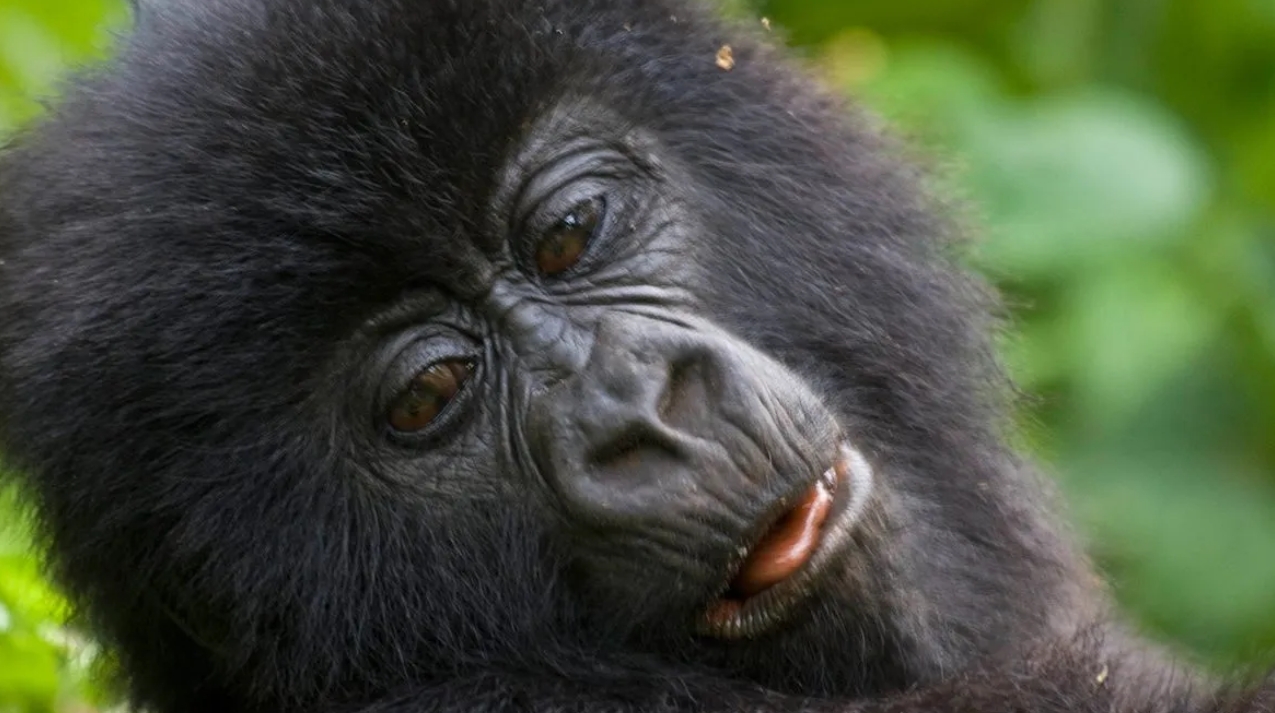
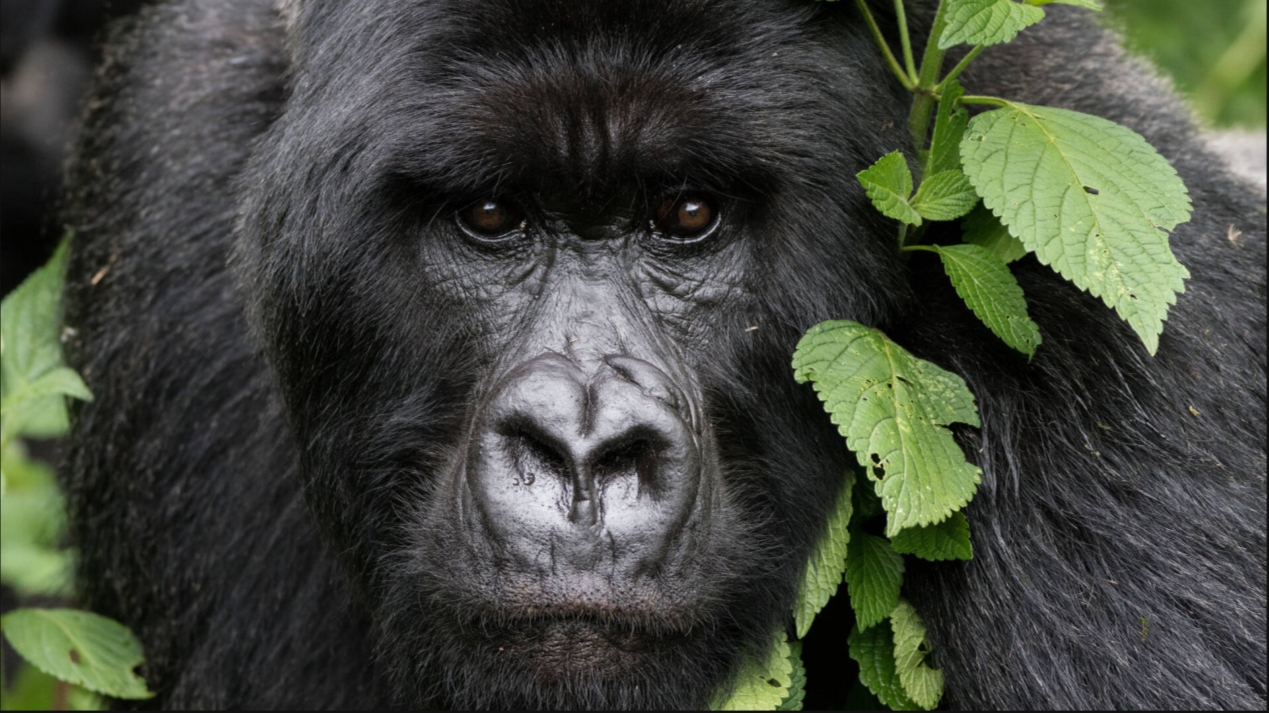
Uganda’s Birding Photography: A safe sanctuary for bird photography, bird enthusiasts, ornithologists, photographers, environmentalists, and researchers from around the globe, Uganda is home to over 1,000 bird species and is one of the few African countries that makes a significant contribution to the global bird population. A popular destination for birdwatchers, Uganda offers a variety of places to see birds, including the UNESCO-designated Bwindi Impenetrable National Park, which is home to about half of the world’s mountain gorilla population.
Following Uganda’s Birding Photography, Bwindi is much more than just gorilla tracking, though. In addition, the park is a birdwatcher’s paradise, offering a variety of rare bird species, including endemics of the Albertine Rift, such as the Handsome Spurfowl, Shelley’s Crimsonwing, Dusky Crimsonwing, Mountain Masked Apalis, Strange Weaver, Rwenzori Batis, and Regal Sunbird.
Top Birding Spots in Uganda
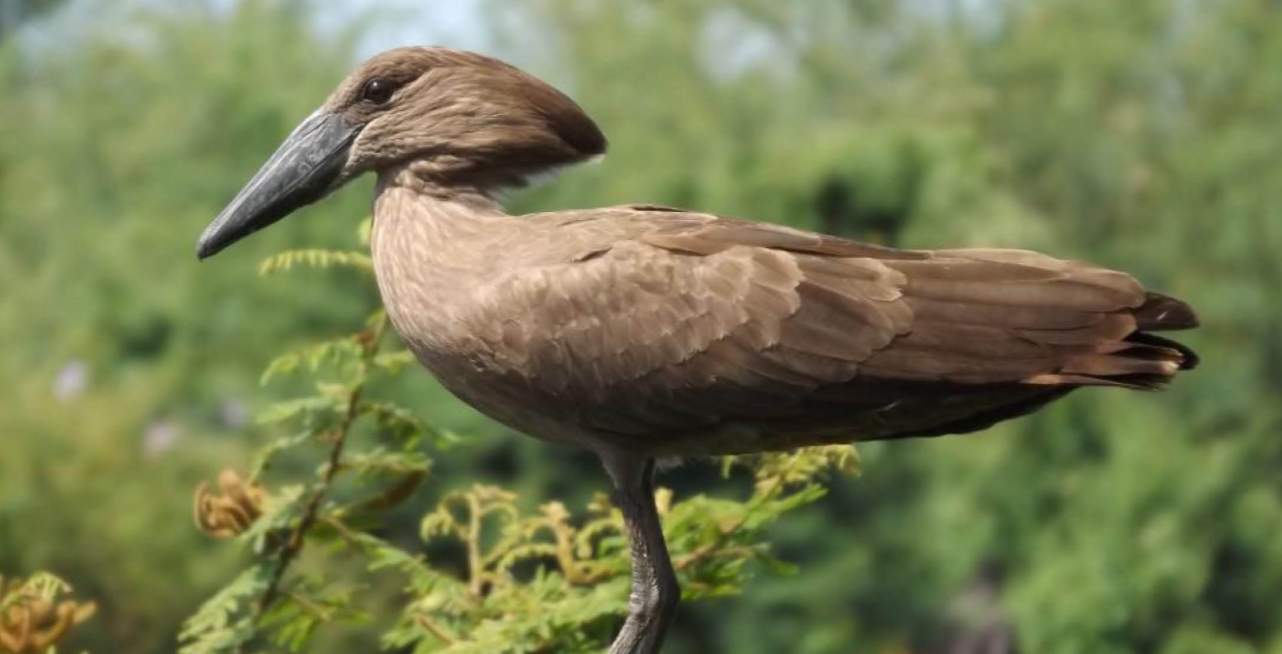
Queen Elizabeth National Park is another birding hotspot in Uganda that you should definitely include on your bucket list for bird photography. Wetlands, forests, savannas, and bodies of water like lakes are just a few of the park’s diverse ecosystems that draw an impressive number of bird species, including migratory birds, savanna birds, water birds, and forest birds like the famous Shoebill, Martial Eagle, Yellow-billed Stork, Pied Kingfisher, African Spoonbill, Malachite Kingfisher, Giant Kingfisher, Cormorants, and African Skimmer, among others.
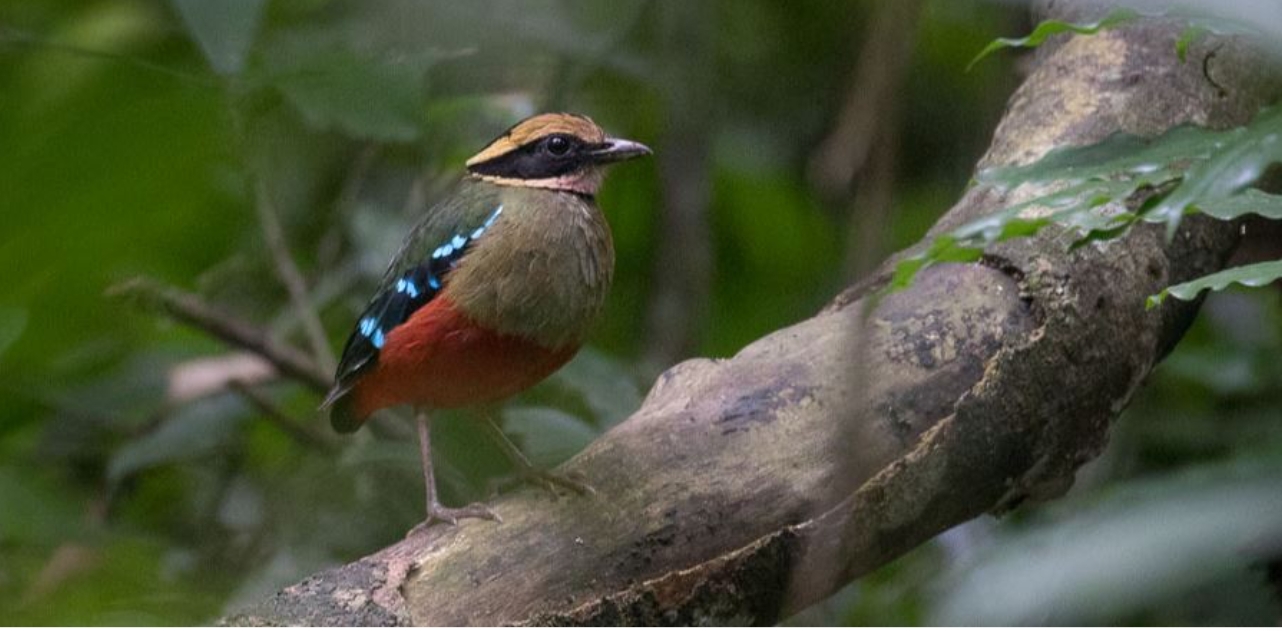
Following Uganda’s Birding Photography, another popular destination in Uganda is Kibale Forest National Park, which is famous for its unusual birds, such as the endangered Green-breasted Pitta and other endemic species of the Albertine Rift, including Grauer’s Broadbill, Rwenzori Apalis, Dusky Crimsonwing, Purple-breasted Sunbird, Grauer’s Warbler, and Willard’s Sooty Boubou.
Along the borders of Lake Victoria, the biggest and most prominent freshwater lake in Africa, lies Mabamba Wetland, an Important Bird Area and Ramsar site. The amazing and iconic Shoebill in its native habitat, along with several other bird species, including the African Pygmy Goose, Black Bee-eater, White-winged Warbler, and Papyrus Gonolek, can be seen at Mabamba Wetland, a birdwatcher’s paradise.
Kidepo Valley National Park, Lake Mburo National Park, Semliki National Park, and Murchison National Park are a few other places to visit for birdwatching.
Uganda’s Birding Photography Tips
With a vast variety of bird species that facilitate bird photography, the nation’s rich biodiversity makes this one of the most gratifying experiences that attracts tourists from all over the world. Among Africa’s top sites for photography and birding, Uganda is home to more than 1016 different kinds of birds. Here are a few of the top suggestions and advice for birdwatching photography countrywide.
Best Time
Following Uganda’s Birding Photography, one of the major factors to consider during bird photography is the best time. Uganda has two rainy seasons and two dry seasons, where the rainy season runs from March to May and from October to November, while the dry season always occurs from June to August and December to February. During the rainy season, there is too much rainfall, which may affect bird photography. To avoid this challenge, schedule your trip during the dry season, which is more convenient and perfect for excellent shots.
Always carry spare batteries.
In line with bird photography that is a little demanding and requires appropriate gear such as a good camera and other devices such as memory cards and others, it is advisable to have backups such as extra batteries. This is meant to ensure you don’t miss any breathtakingly appealing images of various bird species. Be sure to have backups.
Destination and Location
Following Uganda’s Birding Photography, location is a very crucial factor that determines the success or failure of bird photography, since selecting and targeting top bird photography offers great opportunities to encounter and have a choice of selection on various species of birds. Unbelievably, Uganda is home to some of the greatest and most distinctive locations for birding photography, including Kibale National Park, Semliki Valley National Park, Kidepo National Park, Queen Elizabeth National Park, and Rwenzori National Park. Every one of these locations offers different kinds of birds as well as better places to take breathtaking pictures.
Using the right gear
Following Uganda’s Birding Photography, a DSLR or mirrorless camera with a telephoto lens is an excellent tool for photographers to have in order to take quality pictures. It is advised to use lenses with a minimum 400–600 mm focal length in order to capture close-ups of various bird species. Because many species may be far away or in the trees, this is the case.
Understand and study the bird behavior.
To improve and increase your chances of obtaining interesting photos, you must have a thorough understanding of the behaviour of the birds. This will enable you to analyse different bird species, habitats, movements, and conditions in connection to the peace of the area that can frighten or confuse them.
Camouflage
Following Uganda’s Birding Photography, the ideal method to use a bird hide system is to camouflage as you approach birds so they won’t be startled or scared. Materials like hides can be placed close to known bird feeding locations or other locations to facilitate bird photography, particularly for rare birds.
Go Beyond Birds
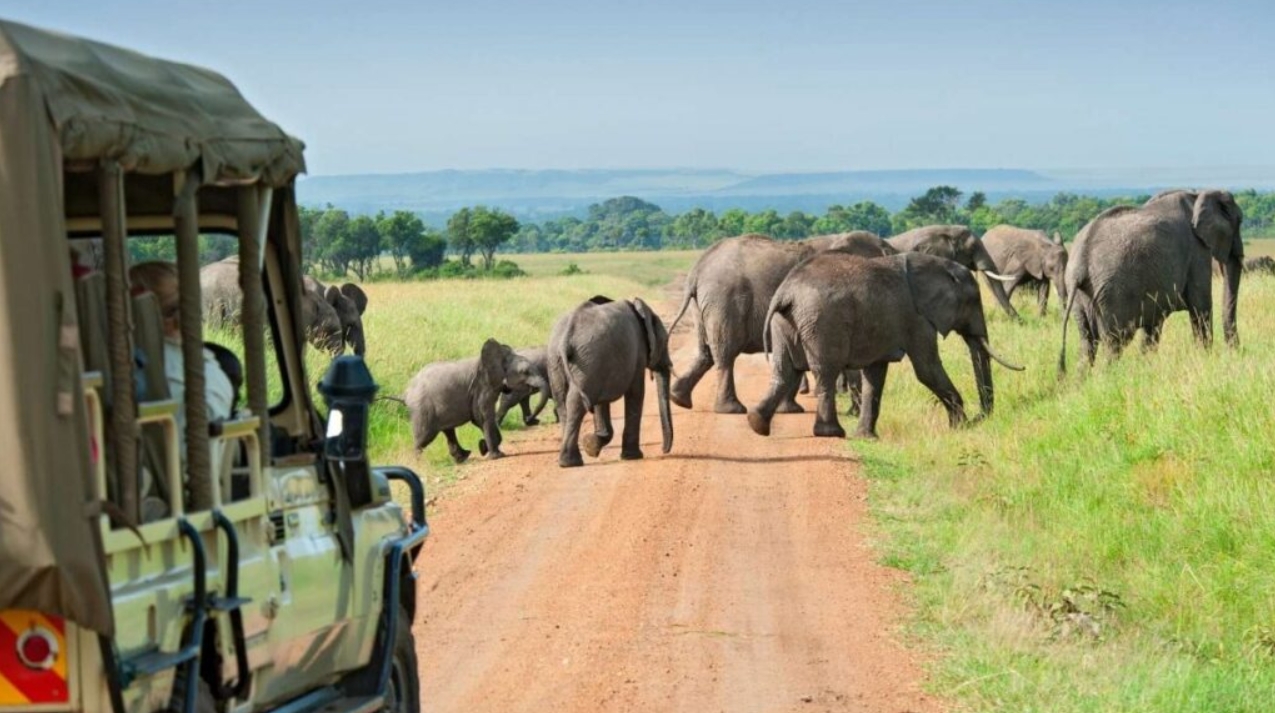
Despite the fact that the primary attraction is the birds, your birding trips should always go above and above to include the surrounding landscapes and any other wildlife you may come across.
Conclusion
Following Uganda’s birding photography, it is one of the most rewarding experiences in Uganda that offers a great chance to birdwatchers, photographers, nature lovers, and researchers to explore diverse birding locations that offer unique bird species, including forest, water, savannah, migratory, and the Albertine Rift endemics, among others. However, it may be challenging, since some of these locations are isolated with dense jungles. For one to have the best shot, there is a need for patience, skill, and nimbleness to navigate through the dense forest undergrowth.