Is Flash Photography Allowed During Gorilla Trekking
Is flash photography allowed during gorilla trekking in Rwanda? This is among the most captivating and exceptional wildlife and adventure experiences globally that attracts avid nature lovers, primatologists, and photographers in the land of a thousand hills. Many travellers dream of capturing clear, close-up images of mountain gorillas in their natural habitat.
However, considering photography, several travellers pose this crucial question. “Is flash photography allowed during gorilla trekking in Rwanda?” The answer is no; flash photography is strictly prohibited. This article explains why photography is banned, the potential risks to gorillas, alternatives for low-light photography, and how to take excellent photographs, without flash, while respecting Rwanda’s conservation rules.
Why is Flash Photography Restricted During Gorilla Trekking?
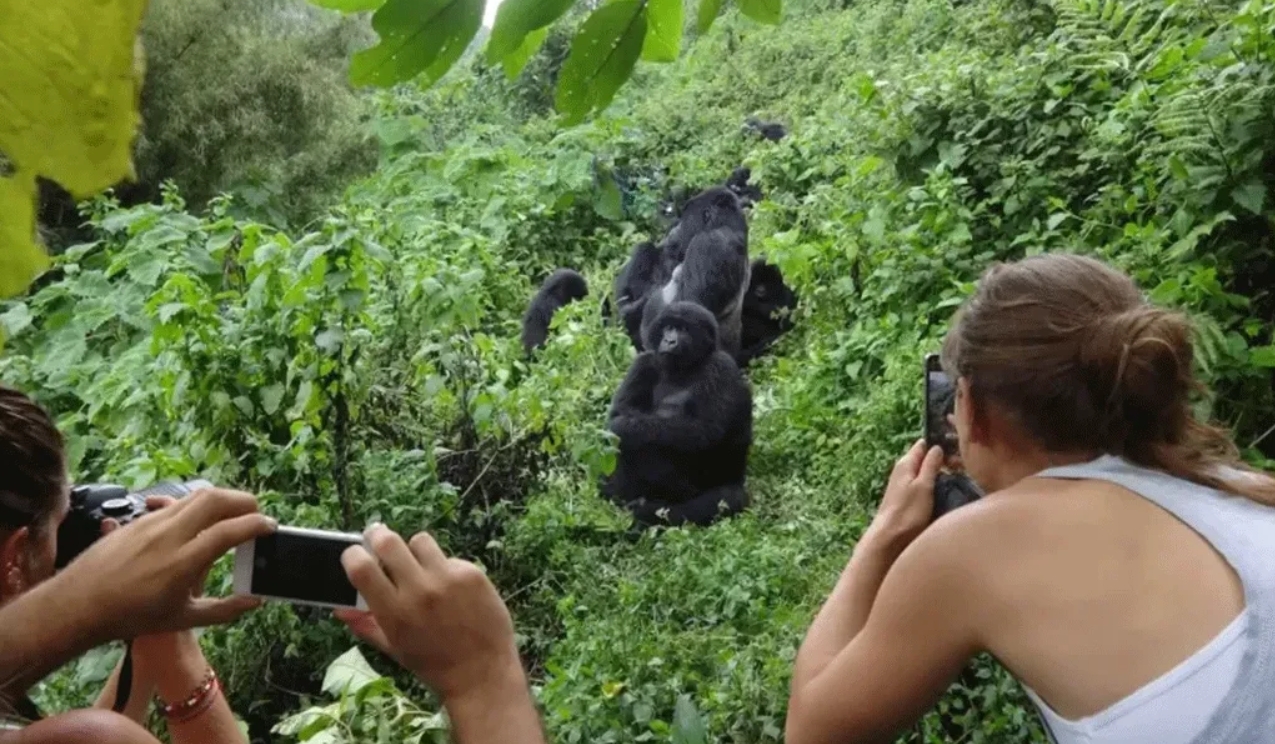
According to the Rwanda Development Board, flash photography is not allowed at any point during the gorilla trekking experience. This rule applies to all gorilla families, all visitors, and all types of cameras. Like other regulations on essentials such as cameras, rangers strictly restrict visitors from using flashlights for the safety of both gorillas and visitors.
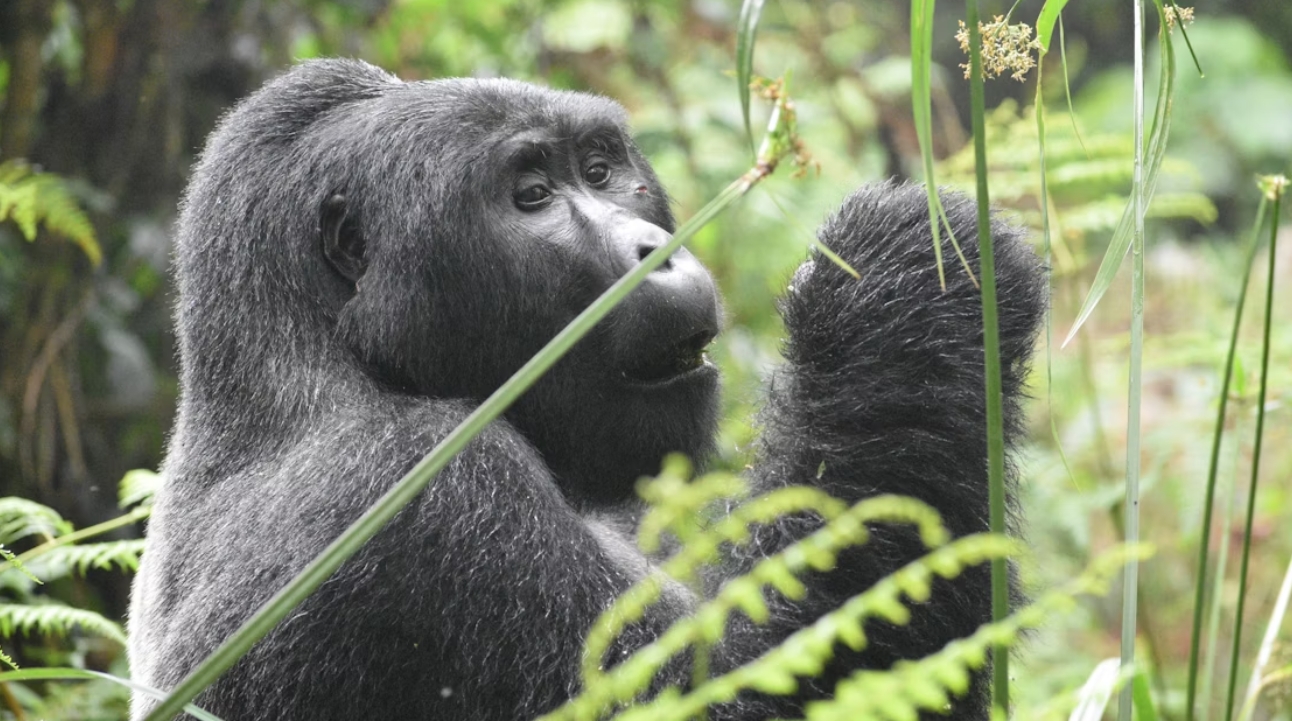
This is because mountain gorillas remain wild, critically endangered primates with highly sensitive eyesight and stress responses. Flash photography can negatively impact them in several ways.
Stress and anxiety are involved in many ways. Involving sudden bursts of light can startle gorillas; startled gorillas may exhibit defensive or aggressive behaviour, and habituated gorillas may become nervous or agitated.
Health risks involve behaviour and involve multiple points of concern. This is to say, gorillas are highly susceptible to human diseases, stress from sudden bright lights can weaken immune systems, etc. These systems and long-term disturbances may increase vulnerability to illness.
Disruption of natural behaviour involves doing things that may annoy the gorillas’ systems. For gorillas, this is to say, flash can interrupt feeding, grooming, and social interactions. Over time, repeated exposure can alter a gorilla’s routine. Over routine; conservation priorities focus on maintaining normal behaviour.
Safety concerns that routine—that is to say, flash-induced—reactions could cause sudden movements in gorillas; flash-induced gorillas and unexpected reactions can be dangerous for visitors in proximity; maintaining calm, predictable encounters is critical.
Flash photography is prohibited regardless of distance. Even if you are 7 metres away, flashes are still considered unsafe. When the distance rules and flash restrictions are combined, it creates a controlled, low-impact environment for gorillas.
Rangers are responsible for actively monitoring visitor behavior during the gorilla encounter. Enforcement includes verbal reminders before and during the trekking process, immediate intervention if flash is used, ensuring all cameras are used safely without bright lights, and maintaining a calm, structured environment; however, all that enforcement is done by the ranger.
Visitors who repeatedly ignore rules may be asked to leave or have their trek ended early. Flash is unnecessary for excellent gorilla photographs. Here are some tips for low-light photography. Increase the ISO on this light. This is to say modern cameras perform well at higher ISO settings.
This setting, ISO 800 to 3200, can capture sharp images in low-light settings. Use a fast shutter speed—lightspeed; this is to say, high speed—to capture movement without blur, and combines with a higher ISO for clarity. Stabilize your camera; say, ‘It camera’; this is to say, ‘camera’, or ‘say, use a monopod or hand-holding technique for steady shots’—hold shots, porter shots.
Porters can help carry equipment for longer treks. Shoot in RAW, PortersRAW; this is to say, RAW files allow for better post-processing of exposure and lighting. The no flash-processing-flash rule helps gorillas to reduce stress, maintain natural behavior, and protect from health risks.
Visitors are safer in the trekking environment, less stressed, and have access to take quality and better photos without risking animal welfare. Ensures sustainability, positive reputation, and environment, and long-term conservation, which is advantageous to the tourism industry.
These are some practical conservation photography tips without flash: set camera settings before approaching gorillas; flash: gorillas; movements and noise are more disruptive than light; gorillas; light; capture interactions, family groups, light; groups, and expressions, groups, expressions; position yourself with sunlight or open patches, expressions; patches; increase chances of capturing clear images, patches; images; and the best shots often come from observing gorillas calmly.
During the wet season, the misty jungle reduces light flow emanating from the thick vegetation cover. When taking photos, it’s hard to avoid a flash; with the higher ISO, it captures photos more efficiently. And lastly, staying patient and mindful ensures both quality photos and safety.
Responsible gorilla photography aligns with Rwanda’s conservation ethics that prioritise animal welfare over photo quality, avoid crowding or chasing gorillas for the perfect shot, respect ranger instructions, focus on capturing natural behaviour, not staged images, and remember that the experience is more valuable than a single photo.
DSLRs, mirrorless cameras, compact cameras, and smartphone cameras are all permitted. No artificial lighting devices are allowed. Long lenses help maintain distance. Tripods may be restricted due to forest terrain and safety. Uganda and DR Congo enforce the same no-flash policy.
Rwanda is one of the safest and most photography-friendly and flash-friendly destinations for ethical wildlife photography because of its strict enforcement and small group sizes.
By respecting this rule, visitors enjoy a safe, intimate, and ethically responsible experience while capturing stunning images of mountain gorillas. Visitors should know that the best shots are those taken with emphasis, respect, calmness, care, permission, and patience as a way of preserving the health and future of these amazing creatures.
The no-flash policy in Rwanda is strictly emphasised, particularly during the gorilla trekking experience, to visitors and photographers with cameras and other electronic gadgets with flashes. Regardless of the distance, it is strictly prohibited to ensure the safety of both the gorillas’ behaviours and visitors.