How Much Time Can You Spend with Mountain Gorillas in Rwanda?
How Much Time Can You Spend with Mountain Gorillas in Rwanda? Encountering mountain gorillas in their natural setting is one of the most fascinating adventure experiences that attracts visitors to Rwanda’s Volcanoes National Park. Several travellers frequently ask this regular question before booking a gorilla trekking permit: “How much time can you spend with gorillas in Rwanda?”
However, several travellers often wish the duration could last longer; therefore, the time allocated to spend with gorillas is carefully regulated to protect these endangered animals. This article explains exactly how long visitors can spend with gorillas in Rwanda, why this time limit exists, what happens during the encounter, and how to make the most of every minute.
How Much Time Can You Spend with Mountain Gorillas in Rwanda?
Visitors are allowed exactly 1 hour with a habituated gorilla family. This rule applies to all standard gorilla trekking permits, all gorilla families, and all seasons of the year. The one-hour duration is a strict resolution from the authority that is directly implemented by park rangers.
The one-hour countdown begins when the trekking group first reaches the gorillas, once rangers confirm proximity to the gorilla family, and not when the trek starts or ends. Rangers announce when the hour begins, monitor time closely, and signal when it is time to leave.
Gorilla viewing is limited to one hour for these reasons. Protecting gorilla health—this is to say, gorillas share approximately 98% of their DNA with humans, making them vulnerable to human diseases. Limiting time reduces exposure to pathogens, minimises the risk, and protects gorilla immunity.
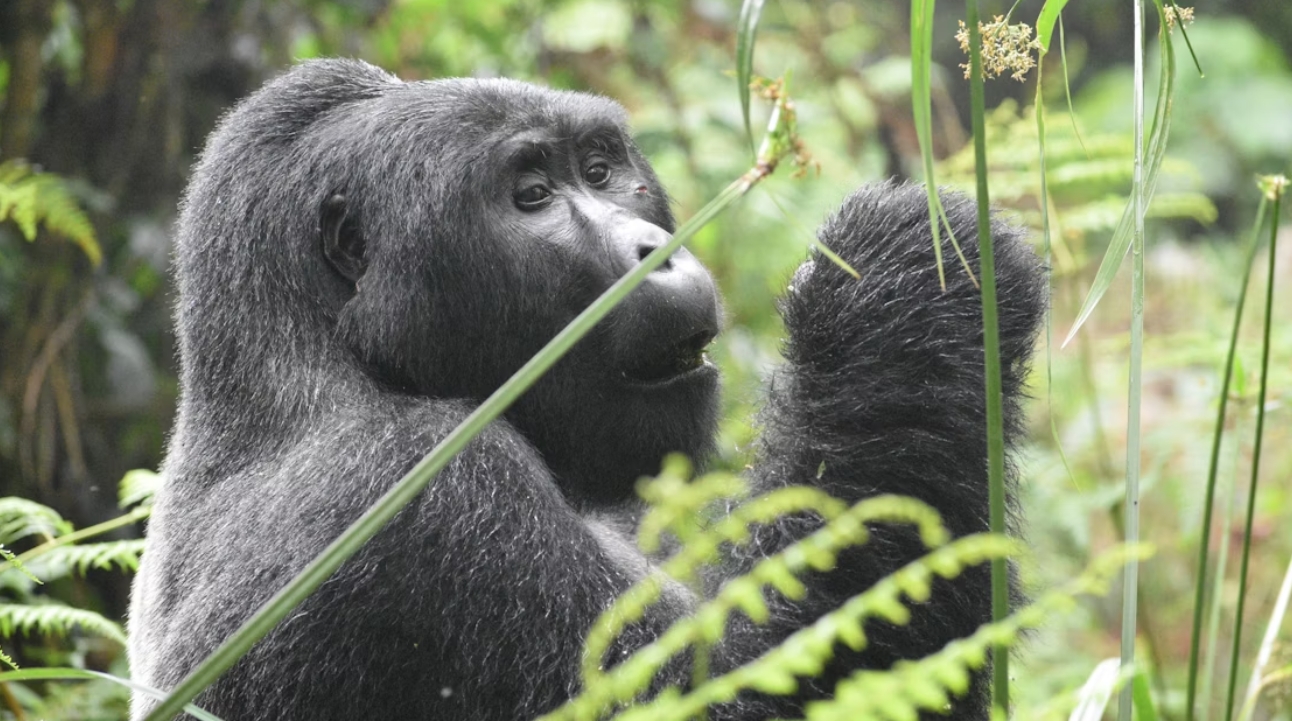
These short visitor visits are convenient for gorillas to have ample time to do their routine activities, such as feeding, playing, and grooming, among others. Extended human presence can alter feeding and social patterns of the gorillas, cause anxiety or aggression, and disrupt family dynamics—all of which are detrimental to preserving natural behaviour.
Conservation and Sustainability
Conservation and sustainability—that is to say, by limiting time, gorilla tourism remains low-impact, multiple groups can visit different families, and gorilla populations remain stable and growing. Rwanda’s conservation-first approach has contributed to increasing gorilla numbers.
Visitor safety—that is to say, gorillas are generally peaceful but extremely powerful animals. Limiting exposure reduces the chances of unpredictable interactions and keeps encounters controlled and respectful. Although one hour may sound short, it is often described as intense, emotional, and unforgettable in that multiple things are done and observed within that one hour.
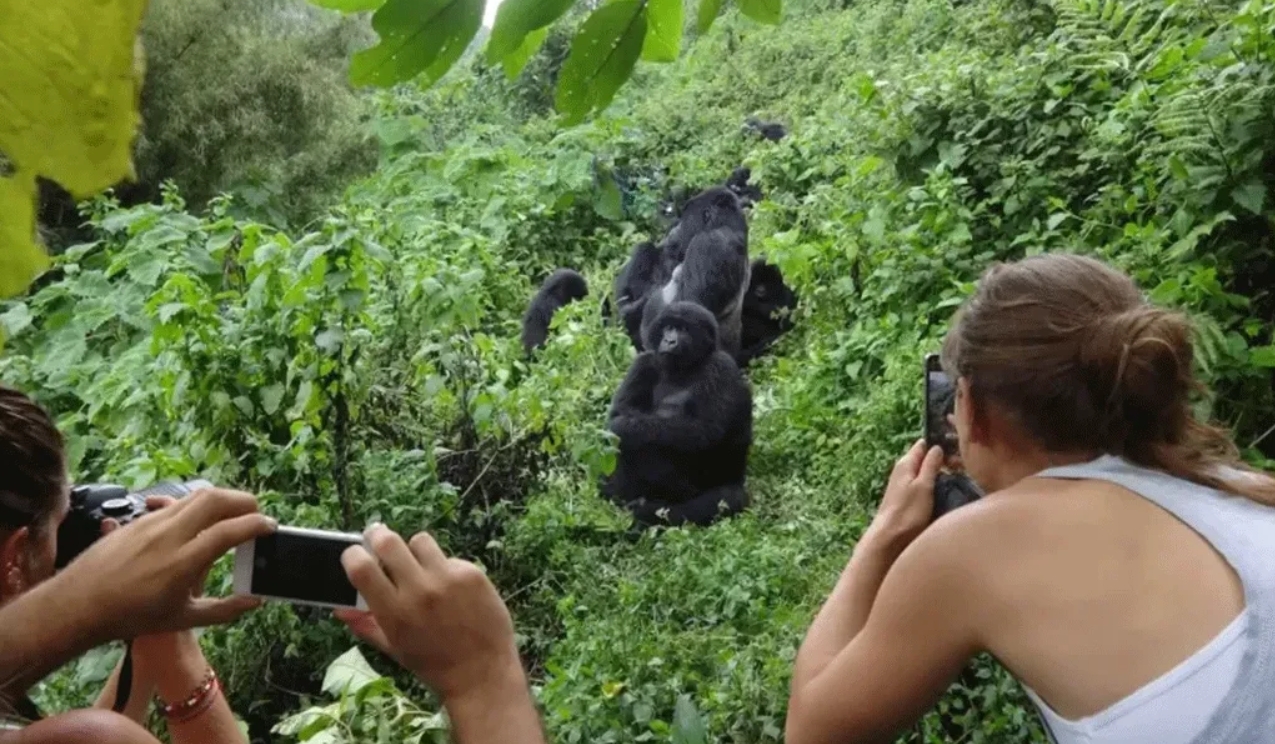
Activities involved during the encounter include observing gorillas feeding, watching infant gorillas play, seeing gorilla mothers care for young ones, observing social interactions, and photographing gorillas; all those are memorable experiences.
Time often feels longer due to the depth of the experience. The tips for making the most of the hour are to have your camera ready before approaching, set camera settings in advance, avoid frequent lens changes, and lastly, focus on moments rather than the quantity of photos. Rangers help position visitors for the best views while maintaining safe distances.
Group Size and Gorilla Habituation
The maximum group size is 8 visitors per gorilla family per day; this means less crowding, better viewing opportunities, and minimal disturbance to gorillas. The system is designed in a way that allows each gorilla family to have a one-hour visit experience. Therefore, travellers who prefer longer extensions or gorilla encounters could opt for gorilla habituation, which differs from the normal gorilla trekking.
This is mainly practised in Uganda’s Bwindi Impenetrable National Park in the Rushaga sector. This habituation experience lasts for 4 hours with mountain gorillas, as trekkers learn their day-to-day activities, such as feeding, grooming, nesting, fighting, and nurturing, among others. However, availability is extremely limited, it involves semi-habituated gorillas, requires special permits, and is more physically demanding.
This experience slightly differs from standard trekking, though it does not apply to all visitors. Despite the initial concerns, several travellers who have experienced this thrilling activity testify that the duration feels sensational and fulfilling; emotional intensity makes time feel expanded, physical fatigue makes one hour comfortable, and the conservation context enhances appreciation.
Quality, not quantity, defines the experience. After spending the stipulated time with mountain gorillas, rangers will let you know, as per the regulations, using some signals among trekkers, to retire and move slowly to where all tools are arranged, such as walking sticks and backpacks, and the trek back begins.
Retiring softly from the sight ensures the safety of both the gorillas and trekkers, leaving these primates undisturbed and not stressed or exhausted. The duration of an hour that is spent after meeting the gorillas does not change regardless of the weather, mist, or timid conditions. However, during this process, the ranger guides may adjust trekkers’ positioning; however, safety remains a priority.
Policy Impact
This policy limits human impact, ensures fair access, reduces environmental pressure, generates sustainable tourism revenue, and supports ranger salaries and anti-poaching efforts. Tourism revenue is used to finance conservation initiatives. Staying calm and quiet, following ranger instructions, observing gorilla behavior carefully, being patient as moments unfold naturally, and taking breaks from photography to observe all those mentioned points are the basics or tips to fully maximize your gorilla encounter in Rwanda.
Mindfulness enhances the experience more than constant filming. Several travellers describe the hour as life-changing, deeply moving, spiritually powerful, and a profound connection to nature. The restricted duration often enhances awareness, appreciation, and emotional connection.
Conservation progress
Rwanda, as a country, is globally embraced for its strict time management and enforcement, ecological conservation-driven policies, luxury ecotourism, and a broader policy on species restoration based on multi-generational safety and biodiversity conservation. Therefore, this one-hour strategy is a foundation of this achievement.
Although to many visitors this one-hour duration may seem brief, according to Rwanda’s model and conservation strategy, it is perfectly balanced to restore mountain gorillas while providing trekkers an exciting, sensational, powerful, and unforgettable encounter.
In that single hour, travelers gain a rare glimpse into the lives of one of humanity’s closest relatives, an experience that often stays with them forever. Exactly one hour for standard trekking; timing begins when gorillas are found, strictly enforced for conservation reasons; optional habituation experience allows longer visits.