How Much Does a Gorilla Permit Cost in Rwanda?
How Much Does a Gorilla Permit Cost in Rwanda? This article provides a comprehensive, up-to-date overview of gorilla permit costs in Rwanda, what the permit covers, why the price is set where it is, how to book, and how to maximise the value of your gorilla trekking investment. Rwanda, as a country rich in tourism, is greatly considered one of the leading gorilla trekking destinations in the world, and this is attributed to its conservation success, accessibility, and high-quality tourism infrastructure, which are exceptional. The question of how much a gorilla permit costs in Rwanda is common among travellers planning to visit Africa for mountain gorilla trekking, particularly in Rwanda, to explore its endangered gorilla species.
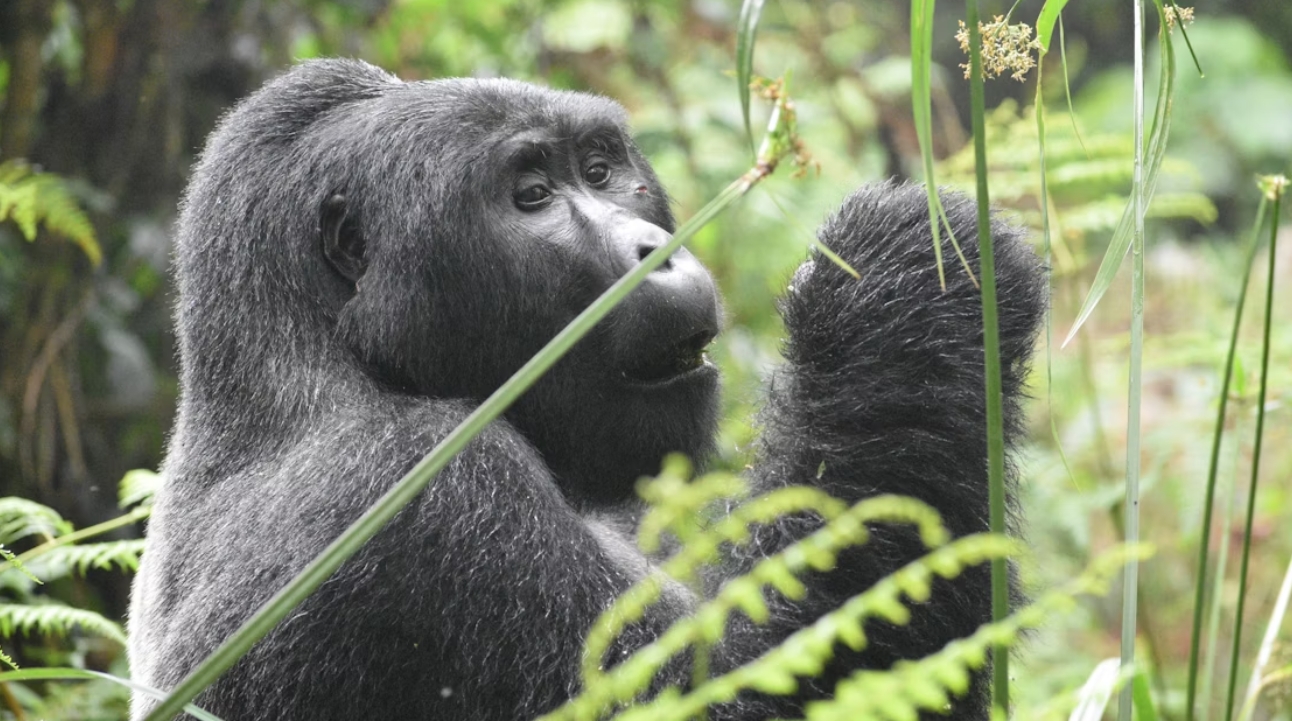
Gorilla trekking permits are a crucial part of the experience; they determine not just access but also how the activity supports wildlife protection and local communities. As one of the most recent official tourism tariffs, the mountain gorilla trekking permit costs $1500 per person, and this rate applies to all international visitors and all adults and children above 15 years of age as a minimum requirement age and standard gorilla trekking experiences.
What Does the Cost of a Gorilla Permit Cover in Rwanda?
How much does a gorilla permit cost in Rwanda? No matter where you are coming from, this is the fixed price; Rwanda does not generally offer a lower foreign resident or local price tier for gorilla trekking permits. A Rwanda gorilla trekking permit covers park entry; that is to say, your permit grants you access to Volcanoes National Park and the protected habitat of mountain gorillas.
Guided trekking with rangers, that is to say, each trekking group is led by trained rangers, trackers, and often local guides familiar with gorilla behaviour and terrain. Daily conservation fees, that is to say, the revenue generated from the permits, are used to fund anti-poaching patrols, forest protection, ranger training and equipment, and gorilla health monitoring and maintenance.
One-hour close encounters, that is to say, once gorillas are located, travellers are given strictly one hour to observe and do some photography with them at a safe distance.
Support for rangers and trackers, that is to say, a portion of permit revenue, supports local employment and community programmes tied to conservation. At $1500, Rwanda’s gorilla permit is higher than permits in most other gorilla destinations.
Several key reasons explain this pricing. High-value, low-impact tourism model, that is to say, Rwanda’s tourism strategy prioritises quality over quantity. In terms of costs, the country has a higher trekking fee compared to any other mountain gorilla trekking destination in Africa.
More to that, Rwanda limits daily visitor figures per habituated gorilla family, hence minimising pressure on their habitat encroachment. This, therefore, ensures an exclusive and premium experience and maximises revenue per visitor to support conservation.
How Do Gorilla Permits Contribute to Rwanda’s Development?
Permit fees contribute directly to their protection, including health monitoring, anti-poaching units, and habitat preservation efforts. Community benefits, that is to say, Rwanda’s revenue-sharing programmes distribute a portion of tourism income to communities that live alongside gorilla habitat, improving schools, hospitals, and local infrastructure.
Your permit supports these community investments. Professional park management, that is to say, Rwanda’s park infrastructure is highly organised from ranger training to emergency response and visitor support, all funded in part through permit revenues.
Gorilla trekking in Uganda is $700 and $1500 for both standard and habituation experiences, respectively. However, DR Congo is around $400, and this varies with exchange and park policies. Rwanda’s price is the highest amongst the three countries, but the difference reflects its premium tourism model of issuing few permits and charging them highly, road and lodge infrastructure, accessibility, and strong public and private sector coordination.
Before booking permits, travellers should understand the key policy details; that is to say, the permit is valid for one specific date; once the permit is issued, it cannot be used on a different date without official change approval; visitors showing signs of illness may be denied access for gorilla health protection.
The minimum age for gorilla trekking in Rwanda is 15 years, with only 8 visitors per gorilla family per day. Limiting visitors ensures minimal disturbances and high-quality experiences, and lastly, make sure you book in advance, months before, because permits often sell out, especially during the peak season, 3 to 6 months in advance.
What is the Best Time to Do Gorilla Trekking in Rwanda?
The peak season has both the short and long dry seasons; June to September has a long dry season; however, December to February has a short dry season. Trekking is possible in the wet season as well, although trails may be muddy, and the weather can slow progress; that is to say, there are heavy rains.
Travellers who would love to have a gorilla trek during this season are advised to book 1 to 3 months in advance for proper planning. Travellers can book gorilla permits in Rwanda through a licensed tour operator; this is the preferred method for most international travellers because the operator checks permit availability, handles payment and confirmation, helps secure lodging and transfers, and coordinates trekking dates with the overall itinerary.
Tour operators often book permits months in advance and can adjust dates or sectors based on availability. Alternatively, travellers can book directly through the Rwanda Development Board; that is to say, some visitors book through this tourism authority.
How to Book a Gorilla Permit in Rwanda?
How Much Does a Gorilla Permit Cost in Rwanda? Travellers submit permit requests online, provide personal details, date preferences, and passport information, await official confirmation and invoice, and lastly process payment directly to RDB. Although this approach has challenges in that it is less flexible than booking through an operator, and requires precise information and international payment.
The payment methods include travel companies that often collect payment and handle remittance, bank transfer, or credit cards through an agent. While higher than in other countries, this pricing reflects Rwanda’s premium tourism model, conservation success, accessibility, and high standards of visitor care.
The revenue generated from gorilla trekking permits is used to support environmental protection, community development, and park operations and ensures that gorilla trekking remains a premium, sustainable, and ethical wildlife tourism experience.
Travellers investing in a Rwanda gorilla permit means supporting the long-term survival of one of the earth’s most endangered species while enjoying one of the most meaningful wildlife encounters possible.