How Many People are Allowed Per Gorilla Family in Rwanda?
How Many People Are Allowed Per Gorilla Family in Rwanda? Gorilla trekking in Rwanda is widely regarded as one of the most carefully managed wildlife experiences in the world. A key part of this success lies in strict visitor limits designed to protect endangered mountain gorillas while ensuring a high-quality experience for travellers.
Travellers often ask this common question: “How many people are allowed per gorilla family per day in Rwanda?” However, this article provides a detailed explanation of Rwanda’s visitor limits per gorilla family, why these limits exist, how these limits are enforced, and how these limits may benefit both gorillas and tourists.
How Many People Are Allowed Per Gorilla Family in Rwanda?
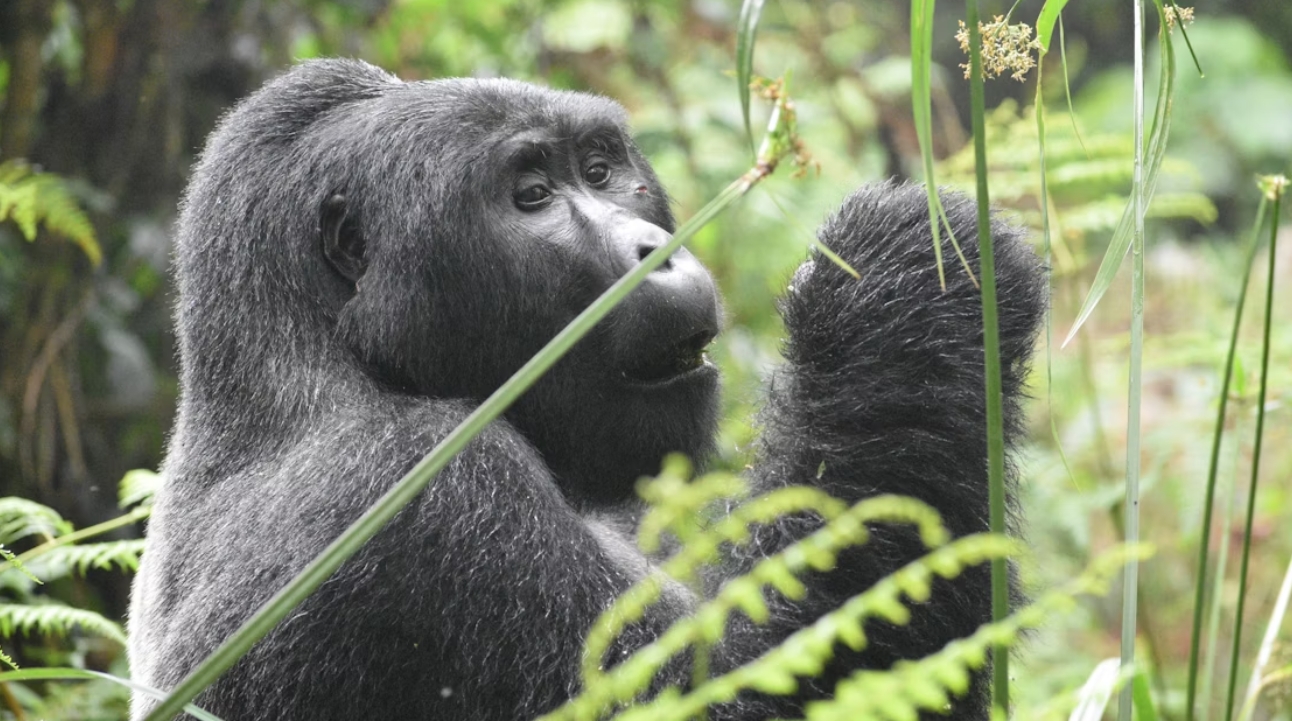
In Rwanda, only 8 visitors are allowed per gorilla family per day. This rule applies to all habituated gorilla families, all seasons of the year, and all standard gorilla trekking permits. Each gorilla family is visited once per day by one group only. A decade ago, mountain gorillas were once running extinct and have since become critically endangered; currently, their number is gradually increasing; however, they are extremely sensitive to human presence. Limiting visitor numbers is essential for their survival.
Protecting gorilla health, that is to say, gorillas share about 98% of their DNA with humans, making them vulnerable to respiratory infections, common colds, and flu viruses. Fewer visitors mean reduced disease transmission risk, less exposure to human pathogens, and healthier gorilla populations.
Small groups allow gorillas to behave naturally, ignore human presence, and continue daily routines uninterrupted. Large crowds can disrupt the feeding patterns of the gorillas, interfere with the social bonding of the primates, and cause anxiety or aggression. All these are under minimising stress and behavioural changes; this factor is crucial amongst others.
Role of Sustainable Tourism
Supporting sustainable tourism, that is, limiting numbers, ensures low-impact tourism, long-term conservation success, a controlled environmental footprint, and balanced visitor distribution across families.
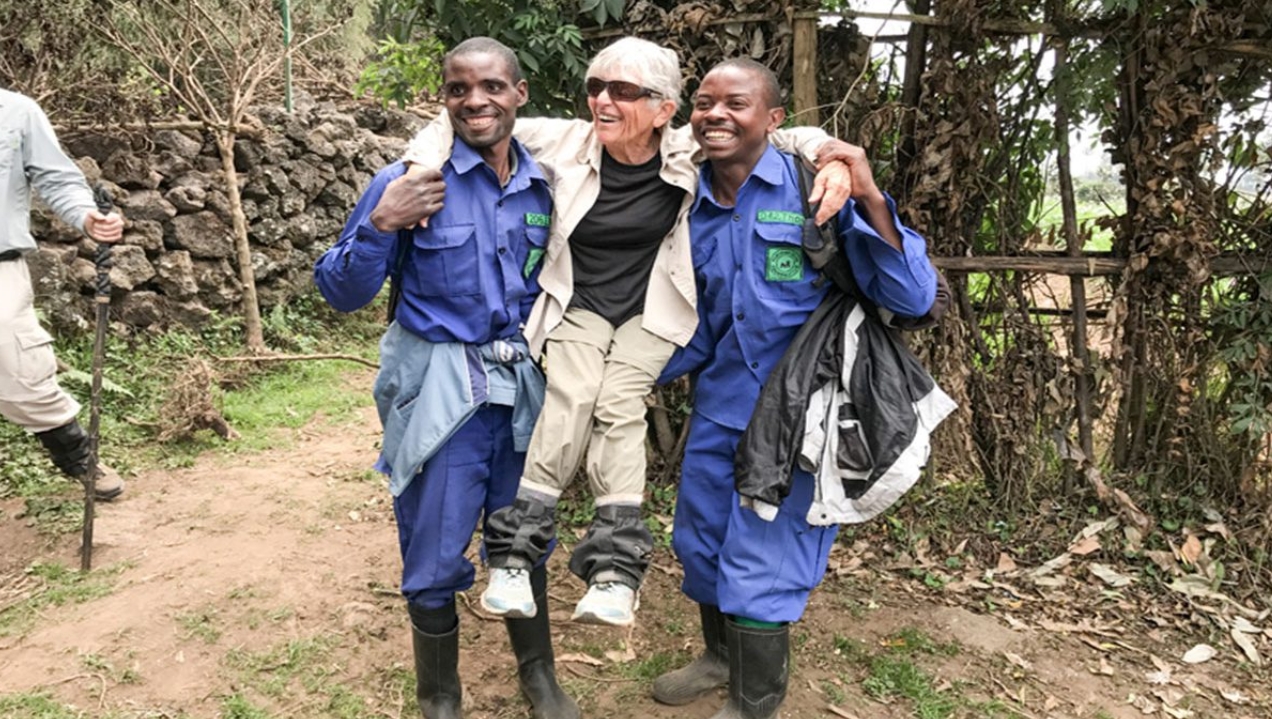
This even distribution is vital in eliminating the overuse of tracking of a single gorilla family. During the trekking session, trekkers are allocated gorilla families not exceeding 8 members per group. Each group is assigned 2 armed rangers, trackers, porters, and knowledgeable and professional guides. This small group size ensures clear views of gorillas, easier movement in dense forest, personalised guiding, and safer encounters. Each group is allowed exactly 1 hour with the gorilla family. No extensions are permitted regardless of trek difficulty, weather conditions, or visitor requests.
This ensures equal treatment for all gorilla families. Rwanda has multiple habituated gorilla families in Volcanoes National Park, and each family is assigned to only one group per day. This means total daily permits are limited, demand often exceeds availability, and booking is essential.
Because of strict limits, only a small number of permits are available daily; gorilla trekking permits often sell out months in advance, and high-season demand is especially strong. This exclusivity contributes to Rwanda’s premium tourism model. Assignments are done during the 7:00 AM briefing by park rangers and guides. Flexibility of visitors ensures gorilla safety comes first.
Visitor fitness levels, age, experience, gorilla family location, and conservation priorities are the crucial factors considered. However, final decisions prioritize gorilla welfare, not visitor preference. If a gorilla family moves too far, it shows signs of stress and has health concerns. Rangers may reassign visitors to another family, cancelling access for that day.
Conservation
Rwanda’s restriction of 8 trekkers per gorilla family is in line with international best conservation practices. Rwanda emphasises an incredibly high ranger availability and luxury visitor management and stands out for its strict enforcement. From a traveller’s perspective, small groups mean better photography opportunities, more intimate encounters, less noise and movement, stronger emotional connections, and higher satisfaction.
Many travelers say the small group size is what makes the experience truly special. With only 8 visitors, it becomes easier to position for photos, there is less obstruction, there is more time to observe behavior, and there is reduced pressure to rush shots. This is ideal for both amateur and professional photographers.
Even with low visitor member permit fees generating significant revenue, funds support gorilla protection, ranger salaries, veterinary care, community development, and anti-poaching efforts. Strict limits ensure a reduction in environmental degradation, consistent employment for guides and porters, support for nearby communities, and encouragement of local conservation efforts. Rwanda’s conservation campaign justifies its quality tourism that can indeed outsmart mass tourism. The surrounding communities benefit from responsible tourism without overexploitation of the country’s natural resources.
Rangers play a pivotal role, empowered with full authority to administer conservation measures strictly, such as handling and removing disruptive and non-compliant visitors, in order to accomplish the trek early. This restores gorillas and maintains standards.
So, how many people are allowed per gorilla family per day in Rwanda? Only 8 visitors per gorilla family per day; each family is visited once daily, and each visit lasts for strictly one hour, and strict limits protect gorilla health and behaviour.
These visitor limits are a cornerstone of Rwanda’s conservation success. By prioritising gorilla welfare over volume tourism, Rwanda delivers a rare, intimate, and ethically responsible wildlife experience that benefits both endangered gorillas and the people who protect them.