Exploring Uganda’s Birding Paradise
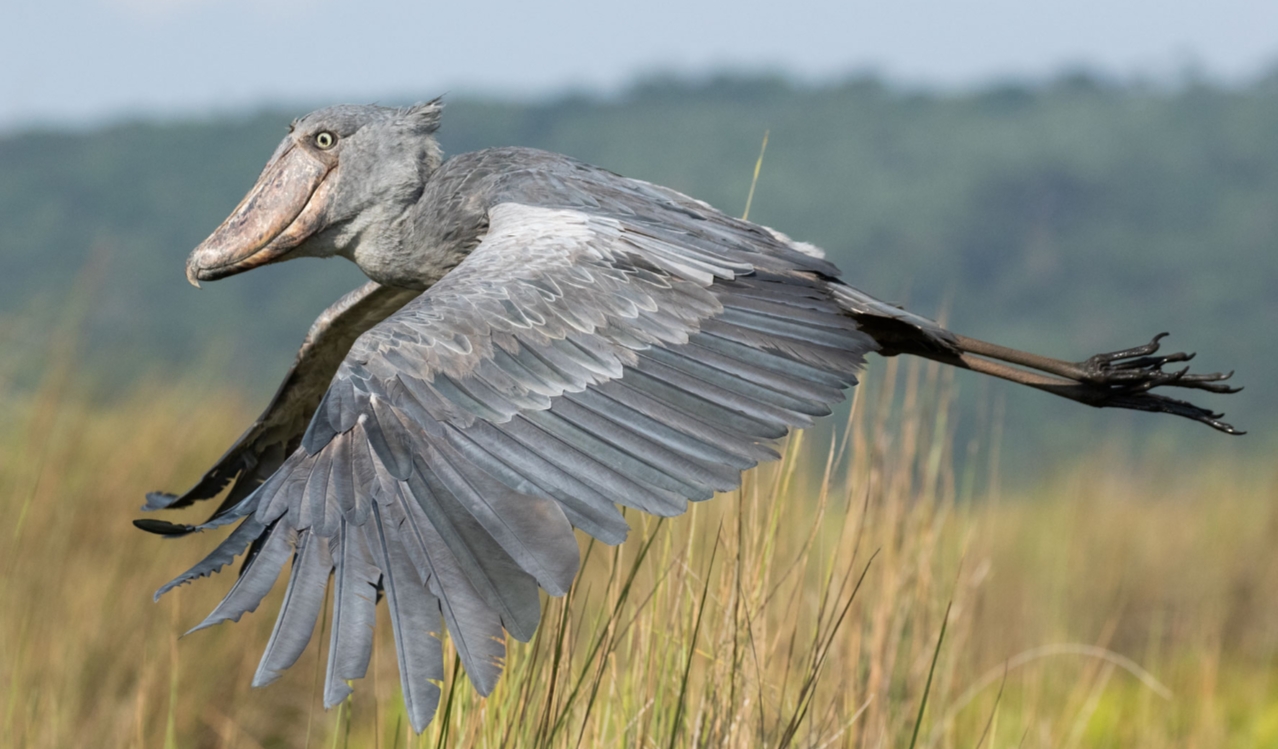
Exploring Uganda’s Birding Paradise: With more than 1063 known bird species, Uganda is a top destination for birdwatchers. It accounts for 50% of Africa’s bird species and roughly 11% of the world’s bird species. Uganda is a charming destination for birdwatchers due to its diverse bird species, unique ecosystems, and convenient access to a variety of birding sites. The Fox’s Weaver, which is found in the country’s eastern region, and Stuhlmann’s Double-collarred Sunbird, an Albertine Rift endemic whose range is currently limited to areas surrounding the slopes of the Rwenzori Mountains, are two unique species that stand out due to their strategic location. One of nature’s greatest wonders is undoubtedly the secretive Shoebill.
But when looking at East Africa as a whole, more than 150 bird species, including several honey guides, hornbills, warblers, bush shrikes, bulbuls, and many more, are unique to Uganda. Since the majority of these species are forest birds from West Africa and the Congo, and in a few countries where tourism appears to be underdeveloped, they are rarely observed in other locations. The tropical forests in western Uganda are therefore regarded as the top places in the country for birdwatching.
When exploring Uganda’s birding paradise, Semliki Forest Reserve, Budongo Forest, Kibale Forest, and Bwindi Impenetrable Forest are the most popular forest destinations in Uganda, with native bird species. But be aware that Kibale Forest is the greatest place to visit in the country for forest birds, though challenging for birders to catch a glimpse of forest birds in the foliage because they are highly secretive. At the Backpackers hostel in Kampala, you can identify more bird species in a short period of time than you would spend at Semliki Forest, especially if you take an afternoon walk through the forest. Unless otherwise noted, this implies that first-time visitors to Africa’s birding attractions may be successful in focusing on areas other than forests.
Uganda’s birding hot spots
Semliki Forest Reserve-Exploring Uganda’s Birding Paradise
With more than 435 bird species, Semliki Forest Reserve is one of Africa’s top birding locations. It is renowned for its localized species and exceptional collection of primarily Central African birds, or Congo-Guinea specialties. Nkulengu Rail, Black-casqued Hornbill, Palm-nut Vulture, Congo Pied Hornbill, Western Bronze-naped Pigeon, Spot-breasted Ibis, Blue-breasted Kingfisher, Long-tailed Hawk, Piping Hornbill, Chestnut Owlet, Gabon Woodpecker, Lowland Akalat, and other bird species are among those to be seen.
Kidepo Valley National Park
Kidepo Valley National Park, which has over 476 bird species, authentic African wilderness, iconic wildlife, breathtaking natural beauty, and a rich cultural heritage, is one of the most visited travel destinations in Africa. This national park, which is located in the Karamoja region and is home to a diversity of bird species, is dominated by predatory birds, or raptors. These include the following bird species: Jackson’s Hornbill, Abyssinian Scimitarbill, Common Ostrich, Common Rose-ringed Parakeet, White-bellied Go Away Bird, Karamoja Apalis, Black-breasted Barbet, Dark Chanting Goshawk, Pygmy Falcon, Clapperton’s Spurfowl, Sperb Starling, and Abyssinian Ground Hornbill.
Lake Mburo National Park
Lake Mburo National Park is a popular tourist destination in Uganda because of its abundance of acacia and water-related birds, including the Bare-faced Go-away Bird, Emerald-Spotted Wood Dove, African Wattled Lapwing, Papyrus Gonolek, Long-tailed Cisiticola, Black-headed Gonolek, Blue-headed Coucal, Malachite Kingfisher, Pied Kingfisher, Semliki Forest Reserve, Budongo Forest, Kibale Forest, and Bwindi Impenetrable Forest. However, be aware that Kibale Forest is the greatest place to come in the country if you want to see woodland birds. Forest birds are hard for birders to spot among the foliage since they tend to be highly concealed.
The Emerald-Spotted Wood Dove, African Wattled Lapwing, Bare-faced Go-away Bird, Long-tailed Cisiticola, Black-headed Gonolek, Blue-headed Coucal, papyrus Gonolek, Malachite Kingfisher, and Pied Kingfisher, among others. Semliki Forest Reserve, Budongo Forest, Kibale Forest, and Bwindi Impenetrable Forest are among the most well-known forest destinations in Uganda, with native bird species. Lake Mburo National Park is primarily home to acacia and the country’s water-related birds. But know that if you want to see forest birds, Kibale Forest is the best site in the nation. Forest birds are usually quite secretive, making it difficult for birders to see them among the vegetation.
More bird species can be identified quickly at the Backpackers hostel in Kampala than at Semliki Forest, particularly if you take an afternoon stroll through the forest. This suggests, unless otherwise stated, that newcomers to Africa’s birding destinations could find it easier to concentrate on locations other than forests. Tabora Cisticola, Blue-breasted Kingfisher, Red-faced Barbet, Papyrus Yellow Warbler, and Black-bellied Bastard, to name a few.
Bwindi Impenetrable National Park-Exploring Uganda’s Birding Paradise
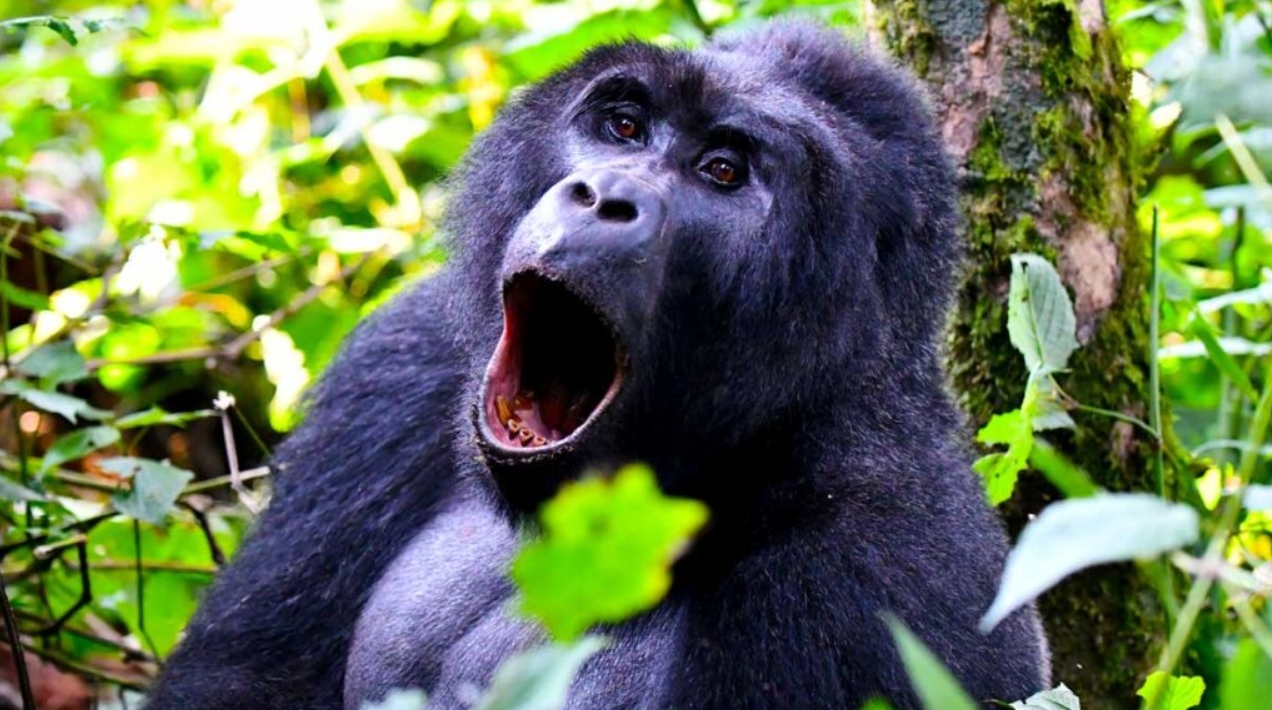
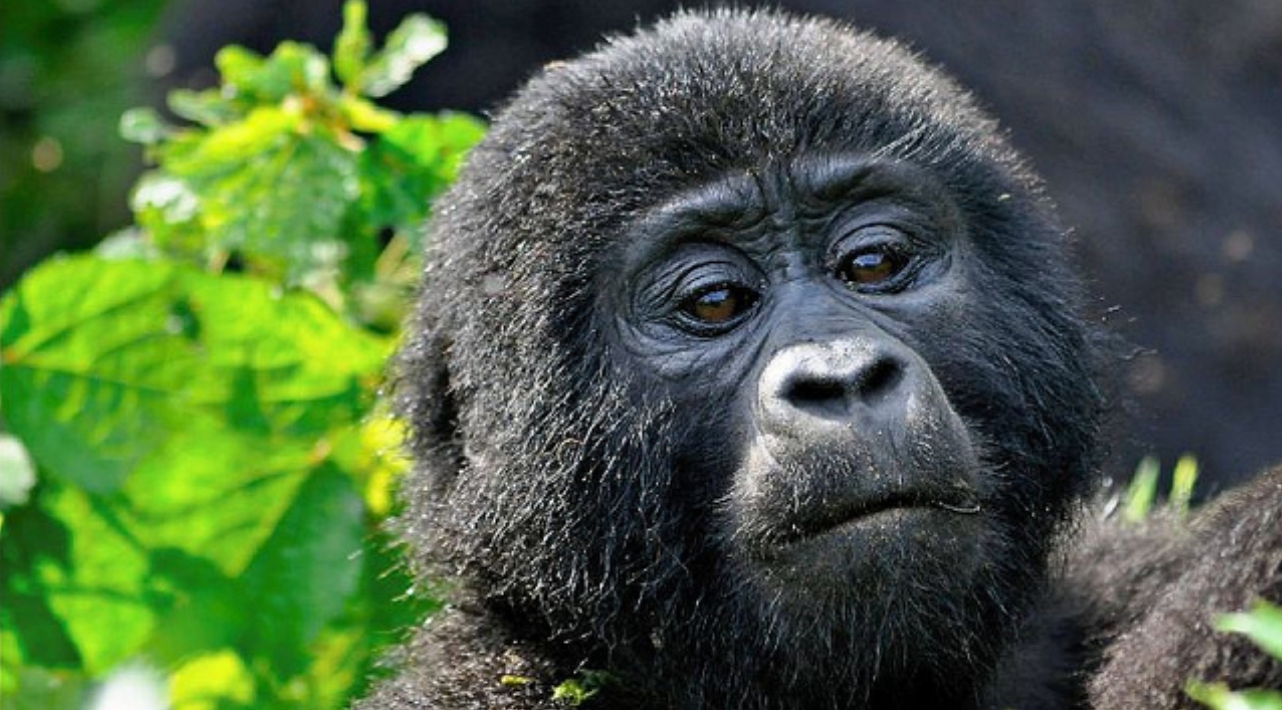
Since mountain gorillas are the main attraction in this deep, foggy jungle, gorilla trekking is highly recommended. In addition to gorilla trekking, Bwindi Impenetrable National Park offers a variety of other activities, such as bird viewing, where ardent birdwatchers can see up to 100 different species of birds. Numerous birds, including the Regal Sunbird, Handsome Spurfowl, Stripe-breasted Tit, Grauer’s Broadbill, Strange Weaver, Purple-breasted Sunbird, Yellow-eyed Black flycatcher, Dusky Crimson Wing, Blue-headed Sunbird, Dwarf-honey Guide, Grauer’s Swamp Warbler, Shelly’s Crimson Wing, and others, are endemic to Bwindi alone. This dense jungle is known for its fauna.
Gorilla trekking is a popular activity in this dense, misty jungle because it is the primary destination for mountain gorillas. But Bwindi Impenetrable National Park is more than just gorilla trekking. Among the activities offered in the forest is bird viewing, where ardent birdwatchers can see up to 100 different species of birds. The Albertine Rift is known for its endemic birds, of which 14 are unique to Bwindi. These include the Regal Sunbird, Handsome Spurfowl, Stripe-breasted Tit, Grauer’s Broadbill, Strange Weaver, Purple-breasted Sunbird, Yellow-eyed Black flycatcher, Dusky Crimson Wing, Blue-headed Sunbird, Dwarf-honey Guide, Grauer’s Swamp Warbler, Shelly’s Crimson Wing, and Yellow-eyed Black flycatcher.
Murchison Falls National Park
It is renowned for both savanna and forest bird species, making it a favorite birding destination. Mammals like the Big Five (lion, leopard, elephant, and buffalo) and other animals, as well as more than 451 bird species, can be found in the park’s many distinctive habitats. Hooded Vulture, African Dusky Flycatcher, White-thighed Hornbill, Puvel’s Illadopsis, Blue-breasted Kingfisher, Yellow-footed Flycatcher, African Dwarf Kingfisher, Black Bee-eater, Nahan’s Partridge, Chocolate-backed Kingfisher, Black and White Casqued Hornbill, and others, like the Abyssinian Ground Hornbill in the park’s northern sector, are among the species that are frequently found in Budongo Forest in the two well-known areas of Royal Mile and Kaniyo Pabidi.
Mountain Elgon National Park-Exploring Uganda’s Birding Paradise
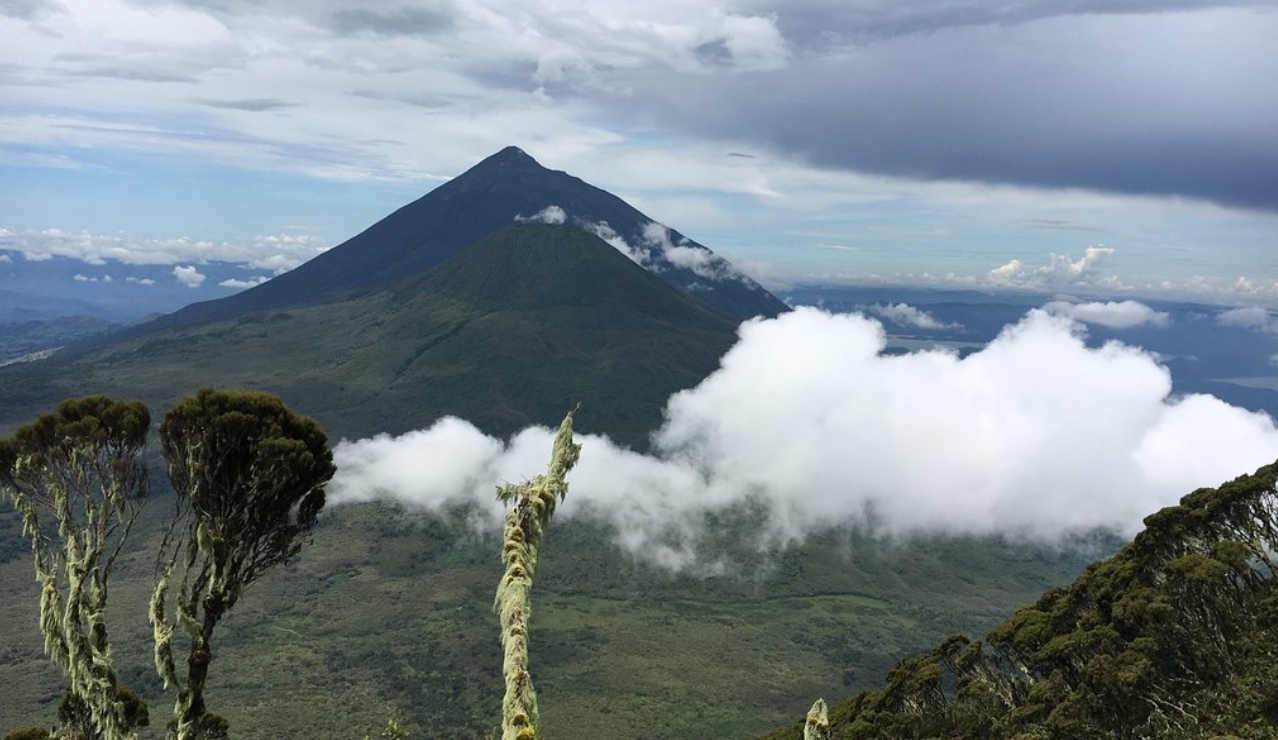
More than 300 bird species, some of which are native to the region, can be found there, making it a unique birding destination with a variety of habitats from lowlands to woodlands and bamboo forests. Due to the variety of birding trails in the Elgon area, such as the Ridge View Trail, Forest Exploration Centre, and Sipi Falls Trails, which all offer breathtaking views and opportunities to see a number of bird species, including the endangered Lammergeyer, Eastern Bronze-naped Pigeon, Mackinnon’s Fiscal, Black-collared Apalis, Jackson’s Francolin, Cinnamon Bee-eater, Tacazze Sunbird, Doherty’s Bush-shrike, Black Kite, and others, birdwatching in the Elgon areas is a rewarding experience for many birdwatchers.
Mgahinga National Park
With its distinctive birdlife and habitats, birdwatching is one of the best adventure activities in Mgahinga National Park, aside from gorilla trekking. There are more than 257 bird species in Mgahinga National Park, some of which are endemic to the Albertine Rift. These include the Double-collared Sunbird, Alpine Chat, Cinnamon Bracken Warbler, Black Kite, Cape Robin Chat, Speckled Mousebird, Grey Crowned Hornbill, Yellow-billed Kite, Malachite Sunbird, Grey Capped Warbler, Rwenzori Turaco, Shelly’s Crimson Wing, Handsome Francolin, Dusky Turtle Dove, Strange Weaver, Cinnamon-chested Bee-eater, Brown Crowned Tchagra, and others.
Rwenzori Mountains National Park-Exploring Uganda’s Birding Paradise
The high-altitude area in southwest Uganda, near the border with the Democratic Republic of the Congo, is home to Rwenzori National Park. With more than 217 bird species, including endemics of the Albertine Rift, and 19 of them unique to the region, it is the ideal location for birding excursions. In order to help birdwatchers identify different bird species and to secure their safety, armed rangers accompany tourists on their guided trip through the Rwenzori Mountains. Among the bird species to observe are the Golden-winged Sunbird, Rwenzori Turaco, Handsome Francolin, Long-eared Owl, Blue-headed Sunbird, Rwenzori Batis, Slender-billed Starling, Archer’s Robin-chat, White-starred Robin, and Scarlet-tufted Malachite Sunbird.
What is the best time to go birding in Uganda?
Uganda is worth a trip all year round. However, the dry seasons (June to September and December to February) are the greatest times to visit Uganda for birdwatching. In contrast to the rainy season, when the birding trails become muddy, slick, and slippery due to the lush vegetation, these times of year tend to offer favourable weather conditions that support birdlife, such as less rainfall and an abundance of food sources, allowing birdwatchers, particularly those interested in spotting a diverse range of bird species, including migratory and resident bird species, to see a variety of bird species.
Conclusion
Due to its favourable climate, abundant biodiversity, and diverse bird habitats, Uganda continues to be one of Africa’s birding hotspots, accounting for roughly half of the continent’s total bird species, including a number of endemic species like the Fox’s Weaver, which is unique to Uganda and only found in East Africa. But Uganda is more than just a place to go birdwatching. Gorilla and chimpanzee trekking, climbing, nature walks, and cultural encounters are just a few of the fantastic activities available throughout the nation’s protected regions in the “Pearl of Africa,” a top wildlife destination with a wealth of adventure tourism.