Chimpanzee Trekking in Kibale Forest National Park
Chimpanzee trekking in Kibale Forest brings you to one of the remarkable parks in Uganda with unique wildlife species, especially primates. The western Ugandan districts of Kabarole, Kamwenge, and Kibale are home to Kibale Forest National Park. Although the park was created in 1995 to preserve the forest and prevent illicit logging, chimpanzees have grown to be a major draw over time. Semliki National Park, Queen Elizabeth National Park, and the Rwenzori Mountains are all close to the park. Kibale is known as the “primate capital of the world” due to the abundance and diversity of primates, as well as the fact that it is the greatest location in East Africa to track chimpanzees. Kibale Forest is the finest place to see these endangered monkeys if you’re looking for the best chimpanzee trekking in Uganda.
What to Know about Chimpanzee Trekking in Kibale Forest
The forest is considered the best place in East Africa for visitors to see chimpanzees in the wild. The mountain gorillas of Bwindi Forest National Park are the most fascinating and well-liked primates in Uganda, followed by these primates. The best place to go chimpanzee trekking in Uganda is Kibale Forest, but travelers can also go to Budongo Forest in Murchison Falls National Park, Kalinzu Forest, and Kyambura Gorge in Queen Elizabeth National Park to witness the chimpanzees.
With an amazing collection of over 324 bird species, including the Black-capped Apalis, African Pitta, Crowned Eagle, Woodland Warbler, Black-eared Ground Thrush, Blue-headed Sunbirds, Yellow-spotted Nicator, Little Greenbul, Black-bee Eater, Collared Apalis, and Purple-breasted Sunbird, Kibale National Park in Uganda is the site of chimpanzee tracking. Golden cats, warthogs, hippos, buffaloes, forest elephants, bush pigs, bushbucks, duikers, mongooses, golden cats, and leopards are some of the mammals. Lions frequently visit the park from Queen Elizabeth National Park. Reptiles, amphibians, and butterflies are also abundant. Chimpanzees are the main attraction of Kibale, as was previously noted, although the Batoro and Bakiga are the main tribes that live near the forest.
Given that they share more than 98% of our DNA, chimpanzees are the closest cousins of humans. West, Central, and East Africa are where they are primarily found. Communities of chimpanzees can number up to 100 individuals. Chimpanzee trekking in Kibale National Park is currently limited to an average of roughly 18 individuals per community due to habitat threats and human persecution. Depending on their environment and diet, each chimp group has its own culture and way of life, unlike mountain gorillas. They are very gregarious primates, and in the larger primate family, only humans are smarter than they seem.
The dominant male leader of chimp groups maintains the group’s hierarchy while offering assistance to all members, particularly in the event of an attack by nearby communities. The community’s female members’ support is essential to a dominating male’s reign. This is due to the fact that females do not always mate exclusively with alpha males.
Chimpanzees are intelligent and can utilise sophisticated body language, including barks, hoots, and pants, to communicate. Chimpanzees utilise facial expressions to describe their feelings. Chimpanzees can use tools to remove insects, crack nuts, or carry fruit to areas of trees that are hard to reach. Every day, chimps build their nests atop trees. Chimpanzees typically hunt antelopes and other small primates for meat in groups, despite their primary diet of fruits, flowers, and insects. Chimpanzees can live up to 60 years in captivity and weigh up to 70 kg.
Humans pose the biggest threat to chimps, even though leopards occasionally prey on them due to their ability to climb trees. In certain countries, chimps are hunted for their meat, and their natural environment is destroyed, diseases are spread, and forests are invaded. Snares and other traps used to capture antelopes and other animals also harm chimpanzees. If they are fortunate enough to survive, many individuals have lost limbs to these traps. Chimpanzee protection in Uganda has been greatly aided by the Uganda Wildlife Authority and foreign groups such as the Jane Goodall Foundation.
Other chimpanzee Trekking destinations in Uganda
Chimpanzees can be found in Uganda’s Toro-Semliki Wildlife Reserve, Budongo Forest Reserve, Kibale National Park, Kyambura Gorge of Queen Elizabeth National Park, and Kalinzu Forest Reserve. The Uganda Wildlife Education Centre in Entebbe (Entebbe Zoo) and the Ngamba Island Sanctuary for Rescued and Orphaned Chimpanzees are two options for those who want to witness chimps in small spaces.
Why is Kibale Forest a popular chimpanzee trekking destination?
Kibale Forest National Park, home to over 1500 chimps, is perhaps the world’s greatest location for chimpanzee tracking. At the visitor centre in Kanyanchu, rangers provide a briefing before chimpanzee trekking in Kibale begins at 8 a.m. Important details of the activity, including what to expect, how long it will take, and how to behave around the monkeys, are included in the briefing. A little history of the forest and chimpanzees in general will also be provided by the rangers. It’s time to leave for the wilderness after the briefing. To frighten away huge species like elephants and chimps that are too wild (not habituated), the ranger moves with a rifle.
The experience of following chimpanzees in Kibale is that you can find a bunch without having to trek very far. The only place where sighting chimps is practically a given is Kibale National Park. Even before you see one, you can hear chimpanzees hooting miles away since they are such loud animals. To catch up with them, you will still have to pursue them, sometimes at a fast speed. Chimpanzees are keen observers. So much so that they would have already spotted you when you did.
Mountain gorillas are gentle, while chimps are not. There will be a lot of drama and activity once you are in the middle. You will observe them searching for food, nursing, grooming, and mating. You might even see larger guys or group members fighting with one another. Every chimp has its personality and mannerisms, just like us humans. Some people prefer to intimidate others, while others are quiet and shy. Politics and group dynamics exist, just like with humans. Since the guide is familiar with each chimp’s personality and behavior, always heed their advice.
They will tell you who you should approach and who you should avoid. Trekking with chimpanzees can cause neck pain because the primates enjoy perching atop trees. Be mindful of dropping fruit, pee, and even feaces. Once the chimps have calmed down, you are only permitted to spend an hour with them. Check out our programme for a 3-day chimpanzee safari in Kibale.
How is gorilla trekking different from chimpanzee trekking?
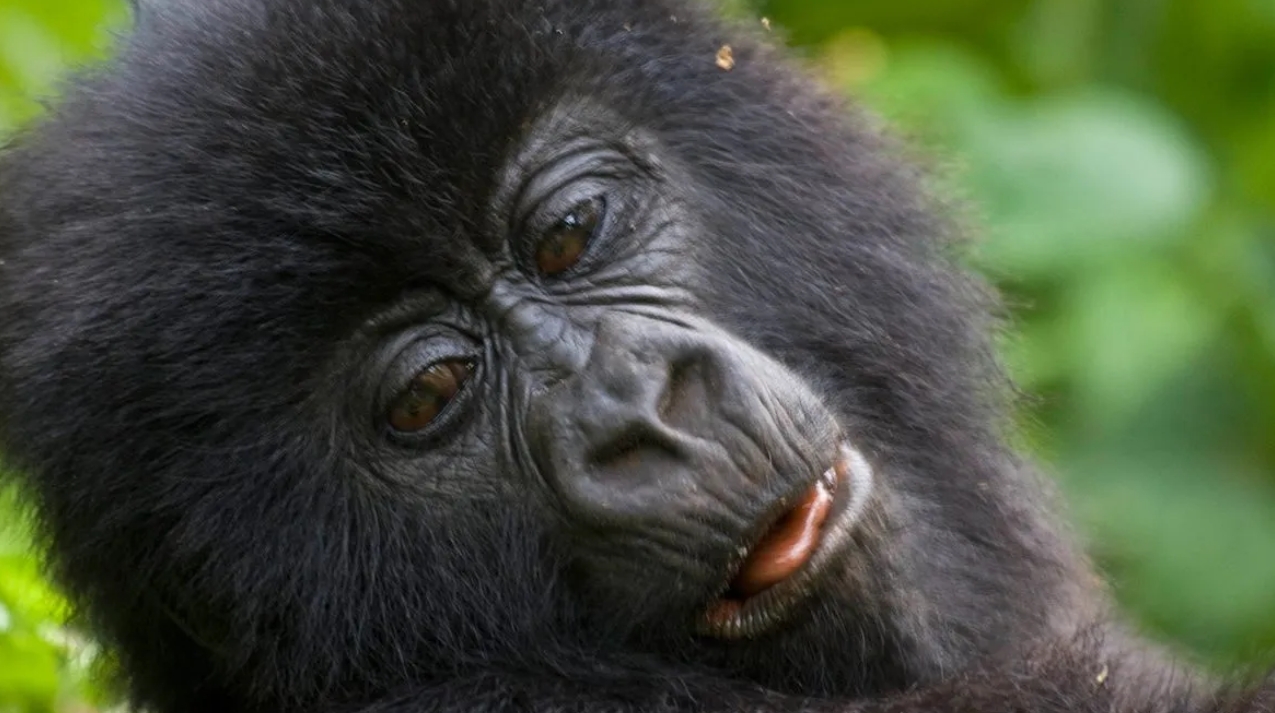
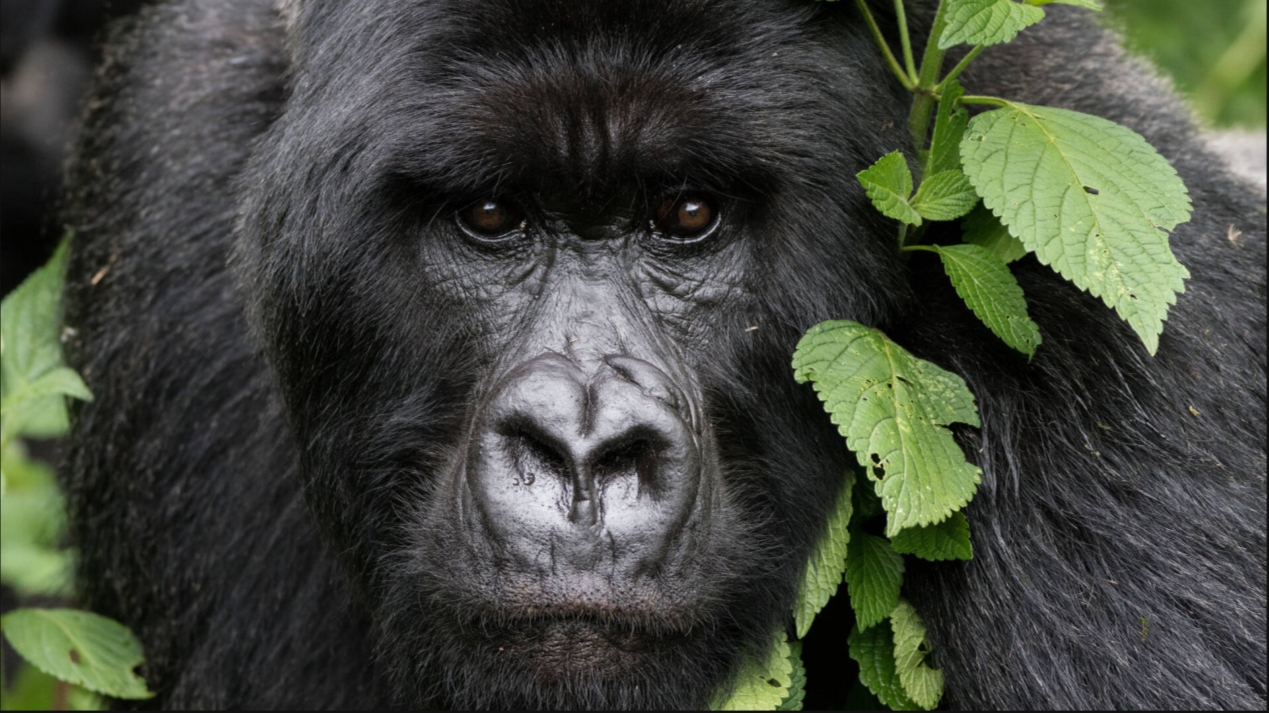
The gorillas are larger than chimps, one of their most noticeable differences. This suggests that adult gorillas are primarily terrestrial. They hardly ever scale trees unless it is required. It is the younger gorillas who climb trees. Trees are where chimpanzees spend most of their time. On top of the trees, they can move at amazing speeds and with great agility. They are more difficult to view or photograph well as a result. Gorillas are more peaceful than chimpanzees, which are loud and energetic.
You get the impression that you are part of the chimps despite their antics and noise. Group members of gorillas are fiercely protective of one another. Gorillas dwell in colder climates at higher elevations with more challenging terrain, which is another obvious distinction between gorilla tracking and chimp trekking. The walk is less taxing and exhausting because chimps dwell on flatter, lower terrain.
Permission is required to view both primates. In Uganda, gorilla permits cost $800, whereas chimp permits only cost $200. A certain number of individuals may visit a certain chimp community or gorilla group on a given day. While gorilla trekking is limited to morning sessions, chimpanzee trekking can be scheduled for both morning and afternoon sessions. Chimpanzee trekking is currently done three times a day in Kibale. Good hiking boots and appropriate clothing are essential for both activities to have the best possible excursion. Chimpanzee trekking in Uganda requires participants to be at least 12 years old. Read more about the distinctions between gorilla and chimpanzee trekking.
To make sure that visitors are comfortable with the chimpanzees before they trek, park officials (park rangers) track them first. They then conduct a process known as “chimpanzee habituation” before inviting tourists to visit. Chimpanzee habituation is the process of acclimating chimpanzees to human presence before a visit. The chimpanzees may need up to two years to become completely accustomed to this regular exercise, which is performed for hours each day.
Conclusion
Many years ago, tourists had a 20% chance of witnessing a chimpanzee in the wild, but today, the odds are 99%. Chimpanzee trekking in Uganda involves going through rainforest jungles for 2-5 hours to find these intelligent chimps, depending on where they live. Visitors can only spend an hour with the endangered species when the primates have been located.