Bwindi Impenetrable Forest National Park
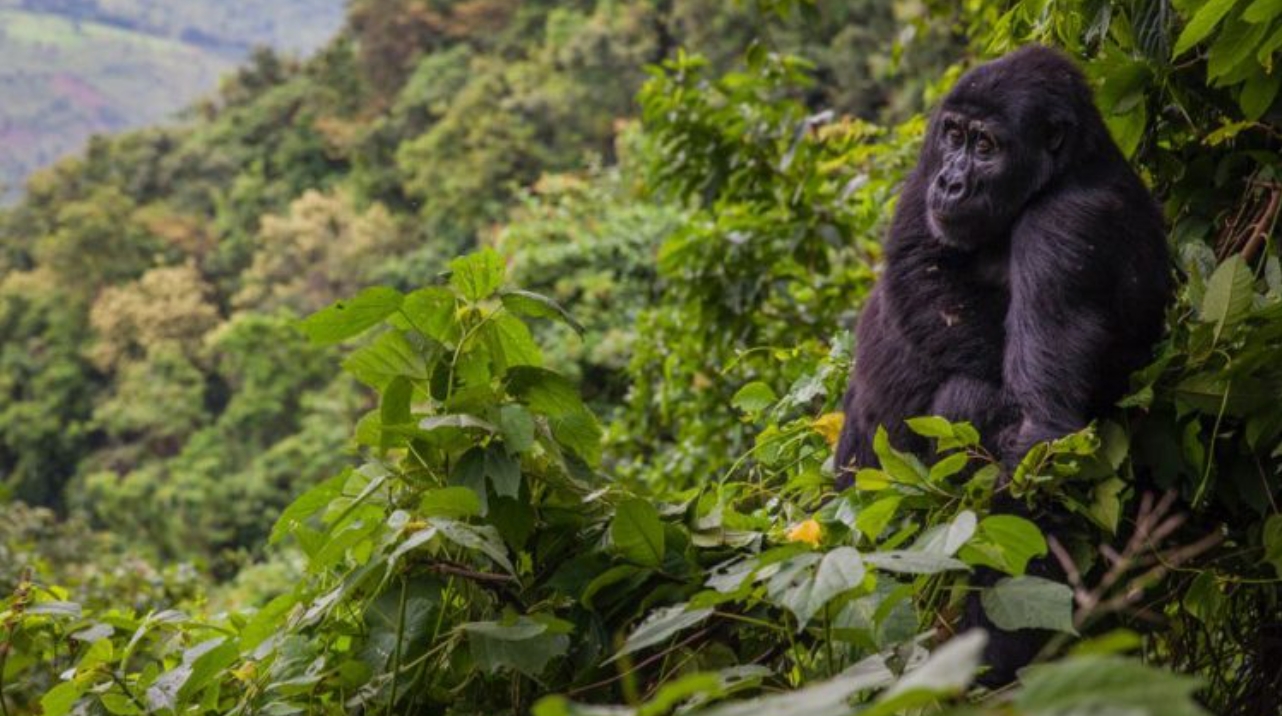
Bwindi Impenetrable Forest National Park is a UNESCO World Heritage site, a famous habitat of nearly half of the planet’s remaining mountain gorillas, but its appeal goes far beyond gorilla trekking scenery and stunning and rich biodiversity. Bwindi offers one of the most unforgettable wilderness experiences on earth. The park covers over 331 square kilometres, straddling steep ridges and valleys at altitudes ranging from 1160 to 2600 metres. This forest is estimated to be over 25000 years old, making it one of the most ancient ecosystems in Africa. For decades, its isolation has nurtured an astonishing variety of species.
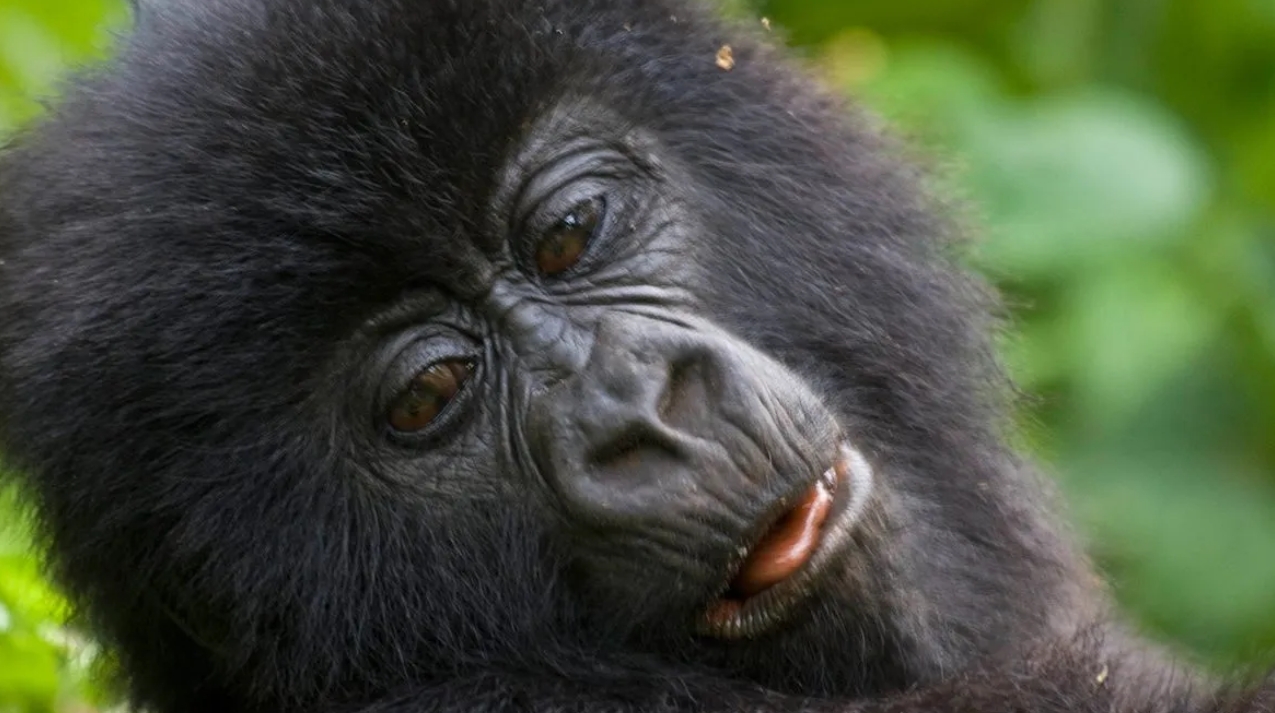
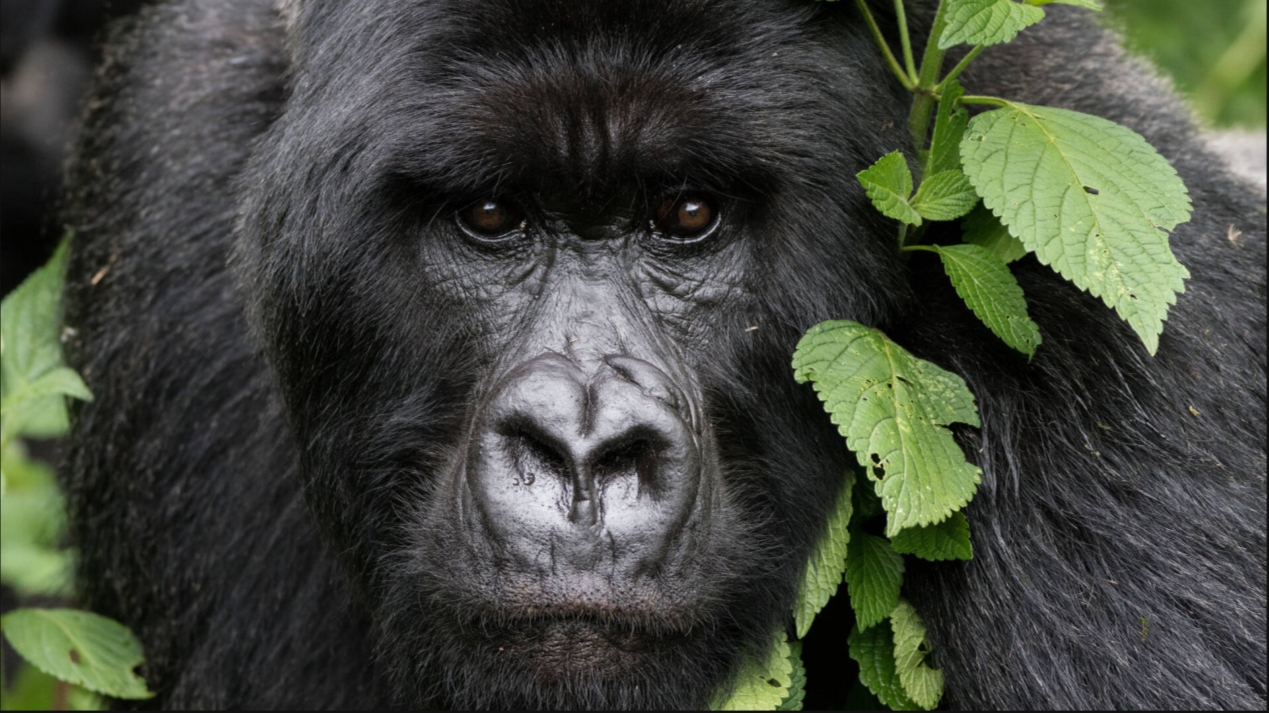
Today, Bwindi shelters over 120 mammal species, 350 bird species, 220 butterflies, and several plant species, many of which exist nowhere else. Bwindi Impenetrable Forest houses mountain gorillas, which are among the most endangered primates on earth, with only about 1030 individuals remaining globally. Almost half of them live in Bwindi’s dense jungle. Tracking gorillas in Bwindi is one of the world’s most powerful wildlife encounters. Guided by experienced rangers and trackers, travellers hike through the steep terrain and tangled vegetation in search of one of the 20 habituated gorilla families open to tourism.
Each trek can take about 45 minutes to 6 hours, depending on the gorilla’s previous location, and once found, visitors are allowed to spend one unforgettable hour observing them as they feed, groom, and interact. Having a close interaction with the gentle giants in their natural habitat is a once-in-a-lifetime experience that attracts primate lovers and nature enthusiasts to witness and have a close look at man’s close cousins. Watching the tenderness between a mother and her infant or the sheer power of a silverback is an emotional experience few ever forget.
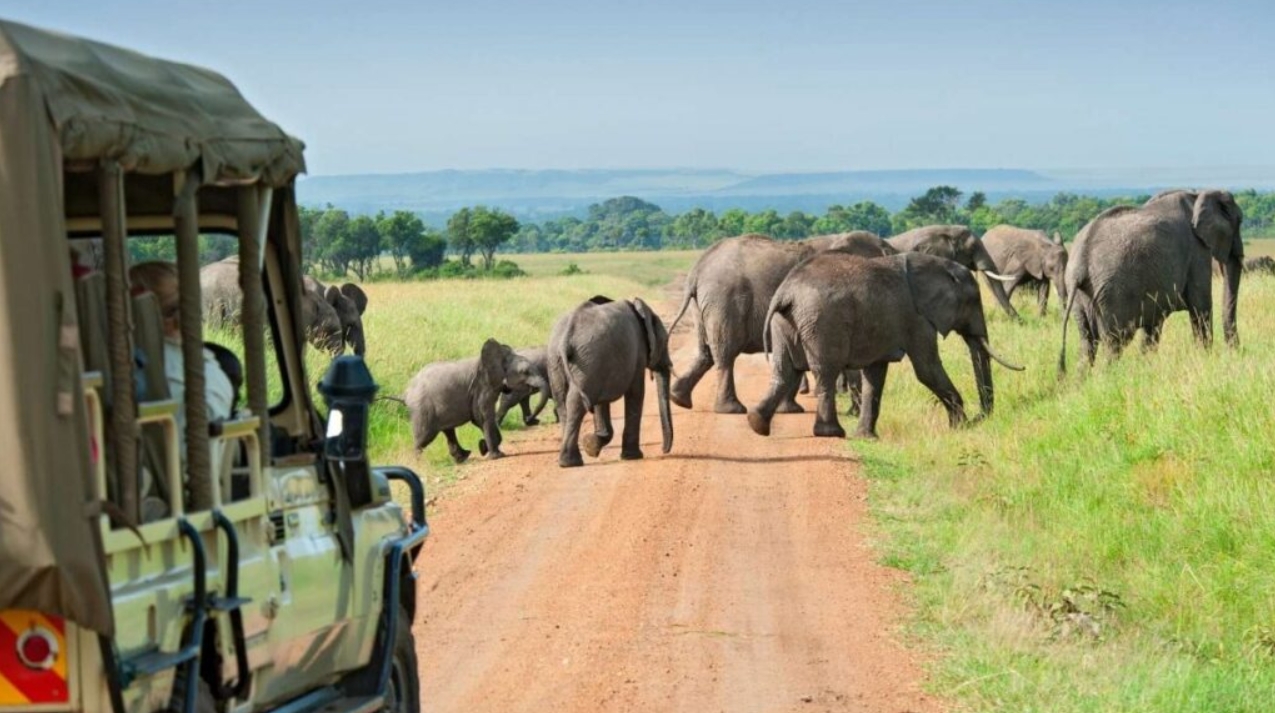
Although gorillas are the headline attraction, Bwindi’s biodiversity is extraordinary. Other primates include blue monkeys, black-and-white colobus monkeys, L’Hoest’s monkeys, and blue monkeys. The forest is also home to forest elephants, bush pigs, giant forest hogs, and several species of duikers. For bird lovers, Bwindi is a paradise, recognised as one of Africa’s premier birding destinations with over 350 bird species, including 23 Albertine Rift endemics. Highlights include the Rwenzori Apalis, Grauer’s Broadbill, Regal Sunbird, Shelley’s Crimsonwing, Grauer’s Warbler, Handsome Francolin, and Strange Weaver, among others, which attract birders from all over the world.
The top activity in Bwindi Impenetrable National Park includes mountain gorilla tracking, the park’s main activity and one of the most sought-after experiences in Africa. Treks start early morning after a briefing at the ranger station. The armed ranger guides lead visitors into the dense forest to search for mountain gorillas.
Bwindi is among Africa’s richest birding areas with unique species dominated by the Albertine Rift endemics.
The park’s top birding trails include Rushaga Trail, Buhoma Waterfall Trail, Ruhija, Bwindi Neck, the Mubwindi Swamp Trail in the northern part of the park, and the Rushaga Trail. Birders can expect to see species like the Cinnamon-chested Bee-eater, Black-billed Turaco, and Bar-tailed Trogon. For those who wish to explore beyond gorilla tracking, the park offers several guided nature walks. Bwindi’s surrounding communities offer cultural experiences that complement the park’s natural beauty.
The Batwa cultural experiences allow the visitors to meet the pygmy people, who were originally inhabitants. Visitors learn more about their customs and traditions, including survival skills, hunting techniques, and cultural performances through songs, dances, and more, so they gain a deeper appreciation for their connection to the forest. Local women’s groups also organise craft workshops and cultural performances, providing opportunities to support community livelihoods. Travellers can also visit nearby community projects; beekeeping, schools, and tree planting, among others, are part of the projects that the revenue generated from tourism supports. The best time for trekking is during the dry season since the trails are dry, and the roads are more accessible.
The dry season normally covers the months of June to August and December to February. The months of March to May and September to November are best for birding and photography, though trekking is more challenging. There is a wide range of accommodation around each gorilla tracking sector, from luxury lodges to budget camps. Bwindi lies about 500 kilometres from Kampala. Bwindi Impenetrable Forest National Park offers the best memories that last for a lifetime. For visitors who intend to explore and enjoy life in the wild, Bwindi Impenetrable National Park is the best destination. The park combines wildlife, inspiring human stories, and natural beauty in a single unforgettable trip.