Activities to do in Queen Elizabeth National Park
Activities to do in Queen Elizabeth National Park: This is one of Uganda’s popular protected areas, famous for its stunning landscapes, diverse wildlife, and vibrant cultural experiences. The park covers nearly 2000 square kilometres and spans savannahs, wetlands, forests, crater lakes, and the Kazinga Channel. The park is home to over 95 mammal species and 600 bird species, making it a paradise and the best destination for wildlife lovers.
Activities to do in Queen Elizabeth National Park
Queen Elizabeth offers a variety of activities that cater to all interests of the travellers, whether you are an adventurous traveller or seeking serene nature experiences. The top activities to do in Queen Elizabeth National Park are listed in a comprehensive guide.
Game Drives
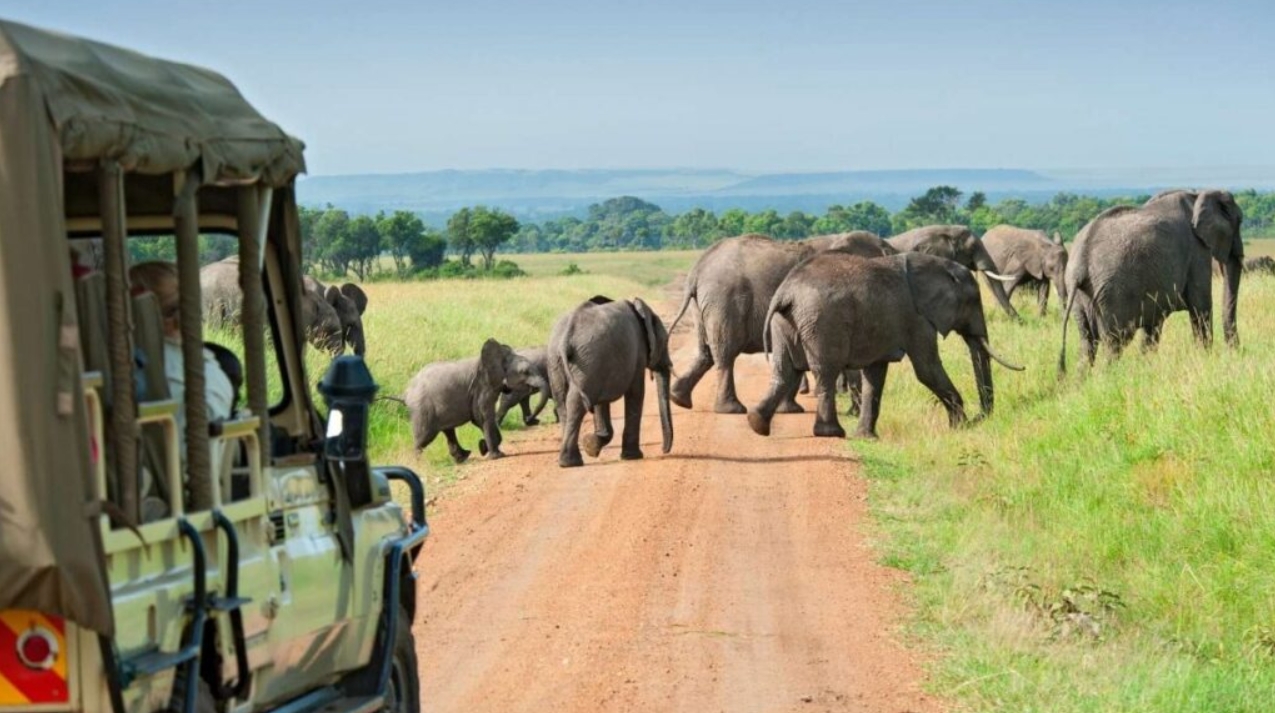
Game drives in Queen Elizabeth National Park provide the best opportunity to spot large mammals such as lions, elephants, buffalo, leopards, and hyenas. The tips for game drives include the following: Early morning and late afternoon drives offer the best wildlife sightings, and guides provide insight into animal behavior and the park’s ecology. Carry binoculars, a camera, water, a light jacket, and many other items.
The Kazinga Channel, a 32-kilometer natural waterway linking Lake Edward and Lake George, is a hotspot for wildlife. Hippos wallowing in the shallow waters, elephants and buffaloes along the banks, crocodiles sunbathing near the shore, and spectacular birdlife, including African fish eagles, grey herons, cormorants, and kingfishers—all those experiences are observed during a boat cruise along the channel. The two-hour boat trip is a relaxing moment that offers incredible photographic opportunities.
Chimpanzee Tracking
Chimpanzees are the highlight of the park, and these unique primates can be seen in Kyambura Gorge, commonly known as the Valley of Apes. Other primates to see in Kyambura Gorge include blue monkeys, red-tailed monkeys, black and white colobus monkeys, and others. Tracking chimpanzees in Queen Elizabeth National Park is one of the unique activities that attracts visitors from across the world to come and witness man’s closest cousins, who share 98% DNA with humans.
Visitors have a chance to encounter these intelligent apes in their natural habitat while they are doing their routine activities such as echoing with loud calls, playing, carrying their babies, feeding, climbing, and jumping on trees. Along the way, visitors can encounter other species such as olive baboons, red-tailed monkeys, black and white monkeys, and several birds along the trail. You will also enjoy the breathtaking scenery of diverse fauna and cascading waterfalls.
Spotting the tree-climbing lions
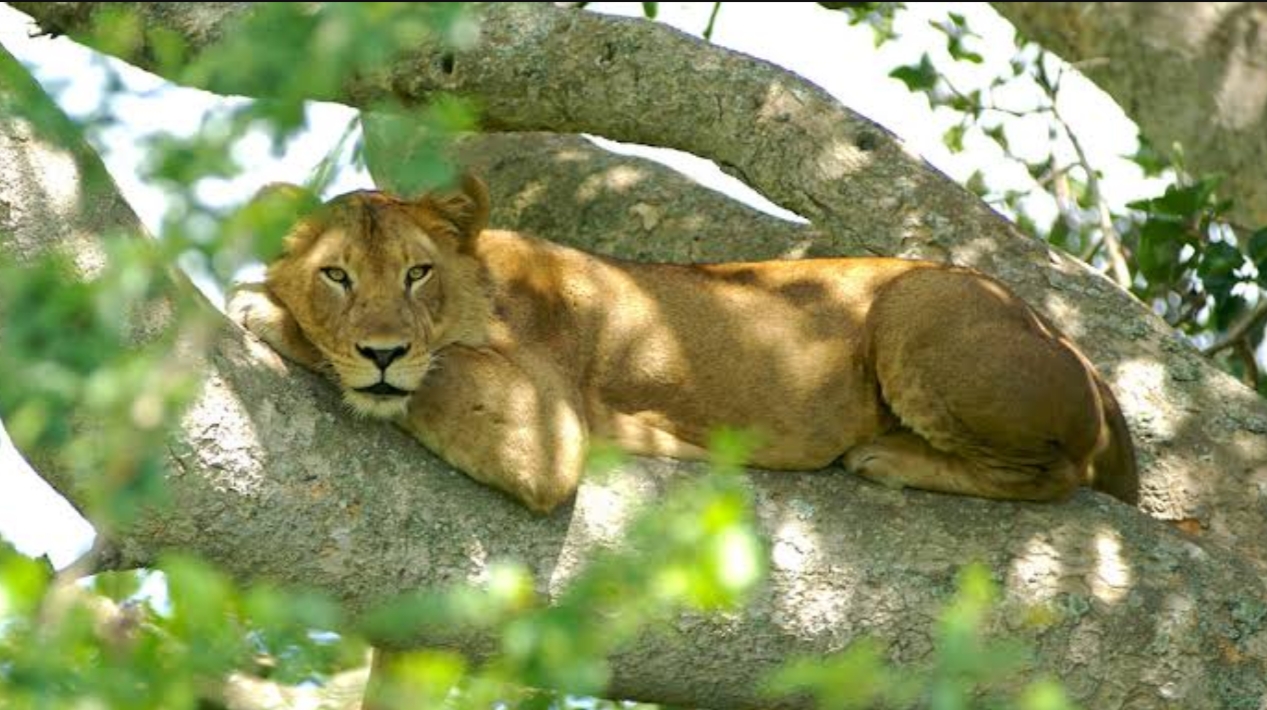
The Ishasha sector in Queen Elizabeth National Park is home to the magical tree-climbing lions, a marvel that is rarely seen elsewhere in other parks within the country. Visitors have a great opportunity to spot lions lounging in fig trees and view elephants, leopards, buffaloes, and Uganda kobs crossing the savannah, and scenic drives along rolling hills and open plains. Queen Elizabeth National Park isn’t just for vehicles.
Hiking and Nature Walks
The guided hiking and nature walk safari experiences enable visitors to explore the park’s unspoiled natural beauty on foot to areas like Katwe Crater, Mweya Peninsula, Maramagambo Forest, and others. These nature walks are always conducted with knowledgeable and experienced guides, enabling you to have a close connection with nature’s wonders. This activity combines adventure with luxury, making it a once-in-a-lifetime experience for travellers seeking a different perspective of the park.
Birding
Queen Elizabeth National Park is a paradise for birders, with over 600 species recorded: savannah birds, forest birds, and waterbirds. Visiting local communities around Queen Elizabeth exposes you to a wide number of experiences; you learn about traditional crafts, music, and dances. Pay a visit to salt miners at Lake Katwe, witnessing traditional salt extraction techniques. Revenue collected from tourism is used mainly to conserve the park’s wildlife and also sustain community projects in order to benefit health centres, schools, and other income-generating projects.
Photography
From wildlife encounters to sweeping landscapes and birdlife, the park offers endless photography opportunities: wildlife portraits, landscape photography, and bird photography. Early morning and late afternoon provide the best lighting for dramatic and colorful shots.
The park’s elevated viewpoints, such as the Mweya peninsula and Katwe crater rim, offer stunning vistas over the savannah, lakes, and the Kazinga channel.
Sight Viewing
Watching the sun set over the plains, with wildlife in the foreground, is one of the most memorable experiences in Queen Elizabeth National Park. Hiring an experienced guide, bringing essentials like binoculars, cameras, a light jacket, and insect repellent, following the park guidelines, and planning are tips for enjoying activities safely.
Queen Elizabeth National Park offers a variety of lodges, camps, and hostels for all categories, including luxury, mid-range, and budget options. These lodges include Arcadia Wilderness Camp, Mweya Safari Lodge, Buffalo Safari Lodge, Aardvark Safari Lodge, Elephant Plains, Elephant Hub, and Bush Lodge, among others.
The park’s rich ecosystem makes a significant contribution to its natural beauty, making it a must-visit destination for both nature lovers and adventure seekers. This is attributed to its spectacular landscapes and adventure activities, such as boat cruise safaris on the Kazinga channel, birdwatching, crater lake exploration, lion tracking, and unique game drives, especially in the Kasenyi plains and Ishasha sector in the southern part of the park.
Conclusion
Ultimately, Queen Elizabeth National Park offers unforgettable and enriching wildlife and exciting adventure experiences. Therefore, with proper organisation and prior planning, along with a careful sense of adventure and a passion for nature, travellers can fully enjoy a wide range of the park’s activities that make it stand out as one of the premier destinations for wildlife.