A Guide to Murchison Falls National Park
A Guide to Murchison Falls National Park: It takes pride in being Uganda’s most visited tourist destination in comparison to other protected areas. It is also Uganda’s largest protected area, with over 3840 km, and is famous for harbouring the world’s most powerful waterfalls, making it the park’s centrepiece. The park is located in the northwestern part of the country, spanning the districts of Nwoya, Masindi, Kiryandongo, and Masindi.
The park gets its name from the spectacular and thunderous waterfalls, a rich biodiversity, including diverse wildlife, flora, and fauna, and a rolling landscape. This eye-catching tourist destination offers unique natural beauty, wildlife adventure, and an unforgettable safari experience.
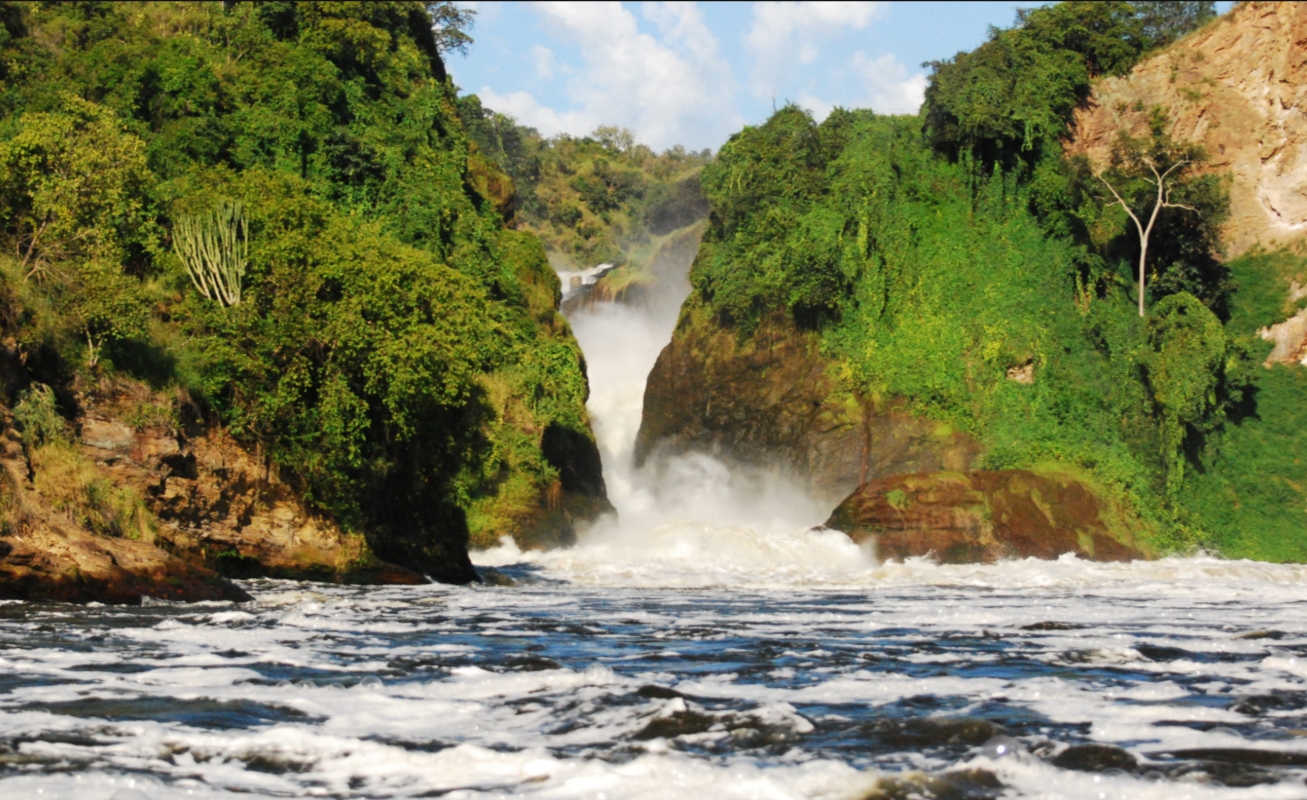
Murchison Falls stands out as the park’s natural spectacle, where the mighty Nile River squeezes itself through a narrow 7-meter gorge, plunging 43 meters down to form the Victoria Delta. The power, nature, and misty cloud cover create a scenic landscape that has stood the test of time.
Murchison Falls National Park lies where the Nile River thunders through a narrow gorge in northwestern Uganda. Murchison Falls National Park is one of the country’s most iconic wildlife destinations, known for its dramatic waterfalls, vast savannahs, and rich biodiversity. Murchison Falls offers an unforgettable safari experience that blends adventure, wildlife, and natural beauty.
The park is the largest national park in Uganda, and it covers about 3840 square kilometres and is home to the most powerful waterfalls and breathtaking scenery globally. These are some of the ways in which visitors can experience the falls: boat safari, hiking trails, or even viewing from the top of the gorge, each offering different perspectives of this natural wonder.
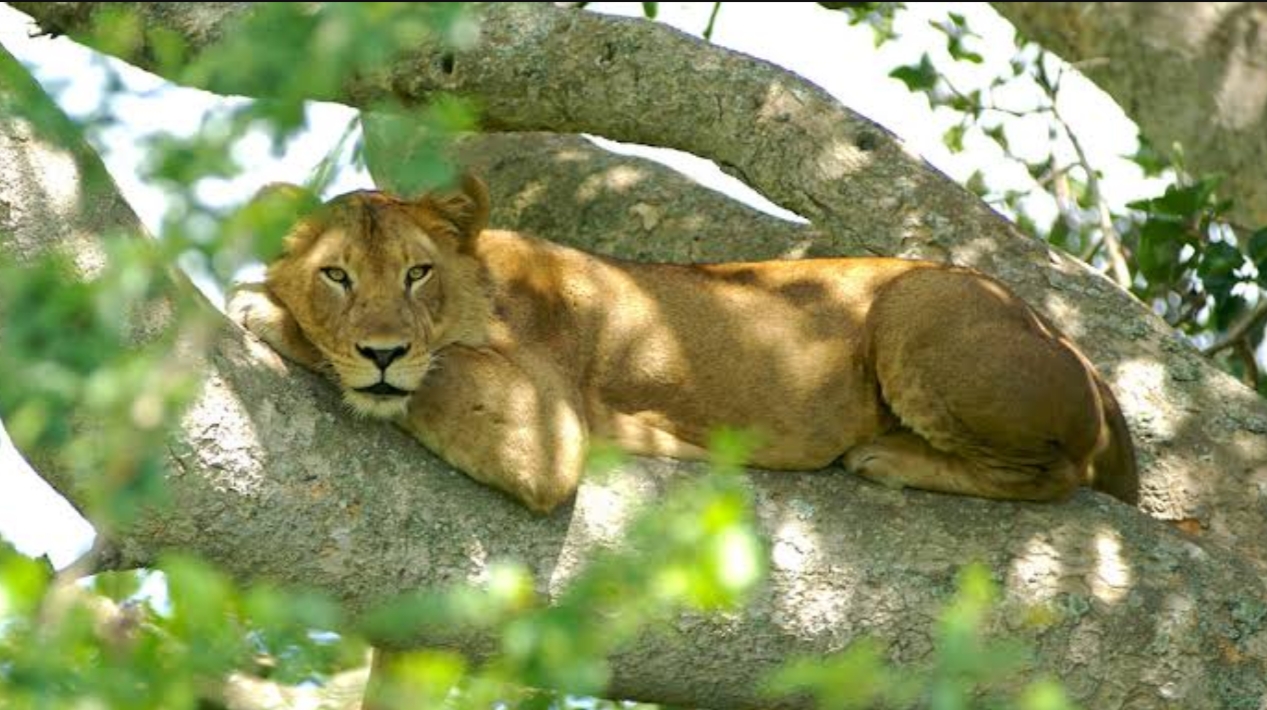
Mammals to see include elephants, lions, leopards, buffaloes, Uganda kobs, giraffes, hippos, crocodiles, and other mammals like antelopes, monkeys, hyenas, warthogs, and bushbucks. Murchison Falls is a birdwatcher’s paradise. The Nile River and its wetland attract species like the Goliath heron, African fish eagle, shoebill stork, red-throated bee-eater, and pied kingfisher.
The top activities in Murchison Falls National Park include Game drives are the primary way to explore Murchison’s expansive plains. The park offers outstanding game drives during morning, evening, and night game drives, and these are the best times to see several park animals, such as members of the big five, such as buffalo, elephants, lions, leopards, and other predators. Night game drives are good for spotting predators when active, while grazers are at rest.
Considering a Guide to Murchison Falls National Park, the northern part of the park is popular for large herds of buffalo and elephants, while predators such as leopards and lions can be seen in the woodland areas or rocky outcrops. Where adventure awaits your exploration, the famous boat cruise along the Nile offers a unique and exciting opportunity to see several aquatic species, such as crocodiles, hippos, monitor lizards, and several water birds, such as the rock pratincole, African darter, African Fish Eagle, Squacco Heron, among others.
The cruise usually starts from Paraa and goes up to the base of the falls. The river narrows dramatically near the gorge, creating one of the most dramatic wildlife and scenery experiences in Africa. For travellers who want to adventure and hike to the top of the falls, Murchison Falls National Park is a perfect destination for your safari.
The park is a birding paradise with over 351 bird species, and early morning and evening hours are the perfect time for birdwatching and fishing along the Nile, particularly for Nile perch, which is a very popular activity for visitors who seek to have a combination of adventure and relaxation. Local guides always offer safety gear to visitors, especially those interested in carrying out water-related activities such as fishing and community tours.
Visitors are always advised on how to embrace responsible fishing and also learn about the local culture and lifestyle, as they also get entertained by the local people through traditional performances through dances. On the other hand, communities near the park provide a window into local traditions. Visitors can engage with local people and witness traditional dances or learn about sustainable farming practices. This interaction enriches the safari experience and supports local livelihoods.
Murchison Falls caters to a wide range of travellers: luxury, mid-range, and budget. The months of June to August and December to February are the best times for wildlife viewing and trekking since animals are often near the water sources, and roads are more accessible. However, the months of March to May and September to November are excellent for birdwatching, although some roads become muddy and hard to navigate.
Murchison Falls National Park works hand in hand with the local communities to protect the wildlife and promote tourism consistently. The revenue generated from tourism is used to support conservation projects like anti-poaching patrols and uplifting development amongst communities along the park. The development programmes include health programs and clean water initiatives, schools. Local communities get income-generating opportunities from the park in guiding, hospitality, and cultural tourism, creating initiatives to preserve wildlife and natural habitats.
The park also operates hand in hand with research institutions to monitor and survey populations of elephants, lions, and other key species, ensuring the ecosystem remains healthy and sustainable.
Conclusion
Therefore, for visitors seeking a perfect blend of eye-catching and exciting wildlife encounters and breathtaking landscapes, Murchison Falls is a perfect destination that awaits your exploration in Uganda’s safari crown. The park’s amazing, thriving ecosystems and community-supported conservation make it not just a park but a living, breathing testament to the wonders of the wild.