A Guide To Lake Mburo National Park
A Guide to Lake Mburo National Park: One of Uganda’s smallest savannah parks with charming diversity in terms of wildlife, culture, and natural beauty, attracting many tourists, especially those who hate travelling for long distances. The park covers about 370 square kilometers. It’s a compact gem that offers a perfect blend of wildlife viewing, outdoor adventure, and tranquil landscapes. Despite the park’s size, Lake Mburo is teeming with life, from graceful zebras and elands to hippos wallowing in the lake’s shallows.
Its proximity to the capital makes it an ideal weekend getaway or a refreshing stopover for travelers journeying to or from the southwestern parks such as Bwindi and Queen Elizabeth. Lake Mburo National Park sits within the Ankole sub-region and is located 240 kilometers from Kampala. Lake Mburo National Park forms 50% of the area’s ecosystem, which previously cut across various other lakes, but currently, lakes such as Bwa, Chyakala, Mburo, Kigambira, and Kazuma remain within its boundaries.
Following a guide to Lake Mburo National Park, the landscape is a mixture of rolling hills. Open savannahs, acacia woodlands, and papyrus-lined wetlands. These varied habitats make the park exceptionally rich in biodiversity, particularly for its size. Lake Mburo is also the only park in Uganda where you can enjoy guided walks and cycling safaris among large mammals, an experience that sets it apart from the rest.
This area was traditionally inhabited by the Bahima, known for their long-horned Ankole cattle, before its gazettement as a park in 1983. The park gets its name from one of the local stories of long ago, where two brothers, Kigarama and Mburo, used to live. One day, Kigarama dreamt of a disaster that would attack them if they stayed in the valley, but his brother Mburo ignored him. Kigarama instead moved up to higher ground.
Eventually, floods came and drowned his brother Mburo, which became Lake Mburo to date. The communities around strongly maintained these cultural and historical ties to the land. This is also witnessed by their cattle-rearing practices in the open savannah plains with the long-horned Ankole cattle. Through guided nature walking safaris and community visits offered around the park, nature lovers and culturalists can learn about the park’s culture.
Lake Mburo is a unique destination, famous for its impalas and zebras, among other animal species, that are rarely found in other parks of Uganda, except Kidepo Valley National Park.
Following a guide to Lake Mburo National Park, you will also see impalas, topis, buffalo, warthogs, and waterbucks grazing the open savannah. It’s the best place in Uganda to see eland, the world’s largest antelope, and recently, giraffes were reintroduced from Murchison Falls to restore balance to the ecosystem. Leopards and hyenas roam the park as well, though they are mostly seen during night game drives. Near the water, experts encounter hippos, crocodiles, and occasionally otters.
The park is a birding haven due to its unique ecosystem that supports diverse bird species such as the Bare-faced go-away Bird, Red-faced Barbet, Coqui Francolin, African Finfoot, Crested Barbet, Batelur, Tabora Cisticola, Thick-billed Cuckoo, Red-headed Weaver, African Grey Hornbill, among others. Top activities to do in Lake Mburo National Park include game drives; these are conducted very early in the morning, in the evening, and at night.
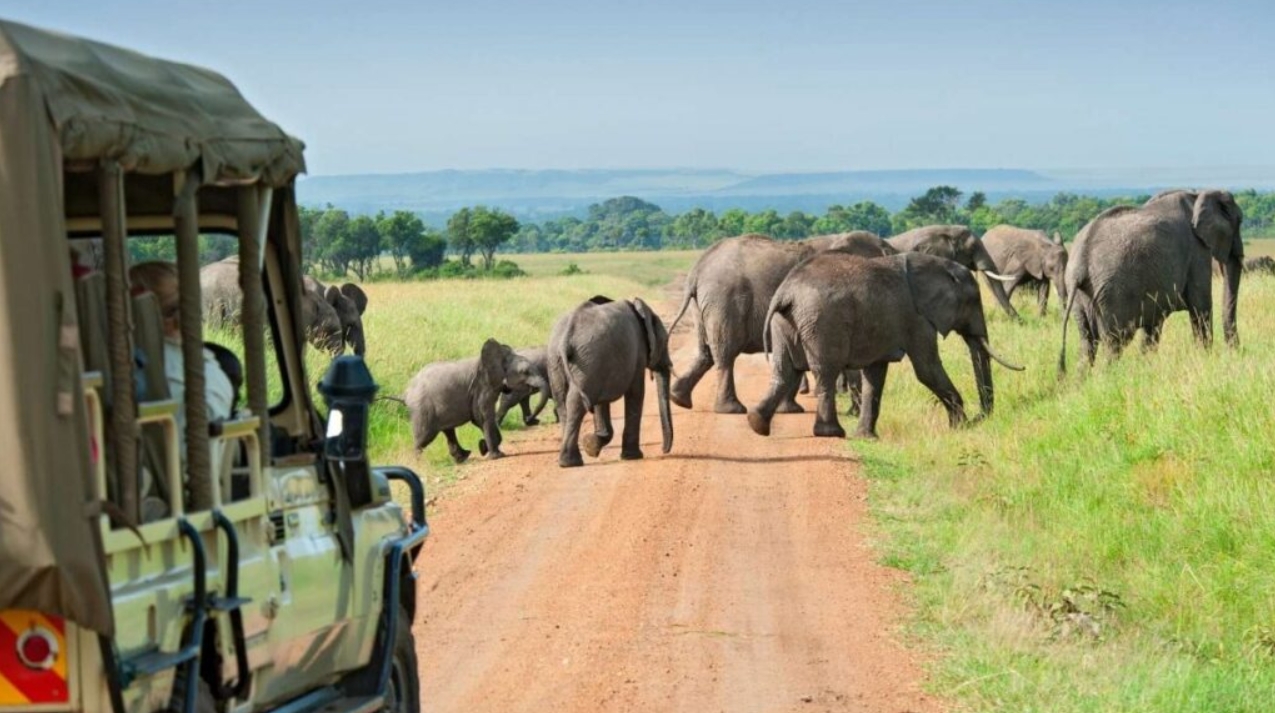
These game drives offer greater opportunities for visitors to see unique animal species, including both nocturnal and diurnal wildlife species. These daytime animals include impalas, zebras, elands, topis, warthogs, and buffaloes, while night game drives offer sightings of spotted hyenas, leopards, and bush babies, among others.
Unlike many national parks in Uganda, Lake Mburo allows guided walks within its borders. These safaris are led by armed rangers and give visitors the chance to experience the bush up close, following animal tracks, studying plants, and watching wildlife without the noise of the vehicle. A boat trip on Lake Mburo is a must-do experience. On the lake, visitors have the opportunity to enjoy sightings of aquatic species such as crocodiles, hippos, and several wildlife birds, including African Jacana, Pelicans, kingfishers, Herons, Malachite Kingfishers, African Fish Eagle, and Squacco Heron.
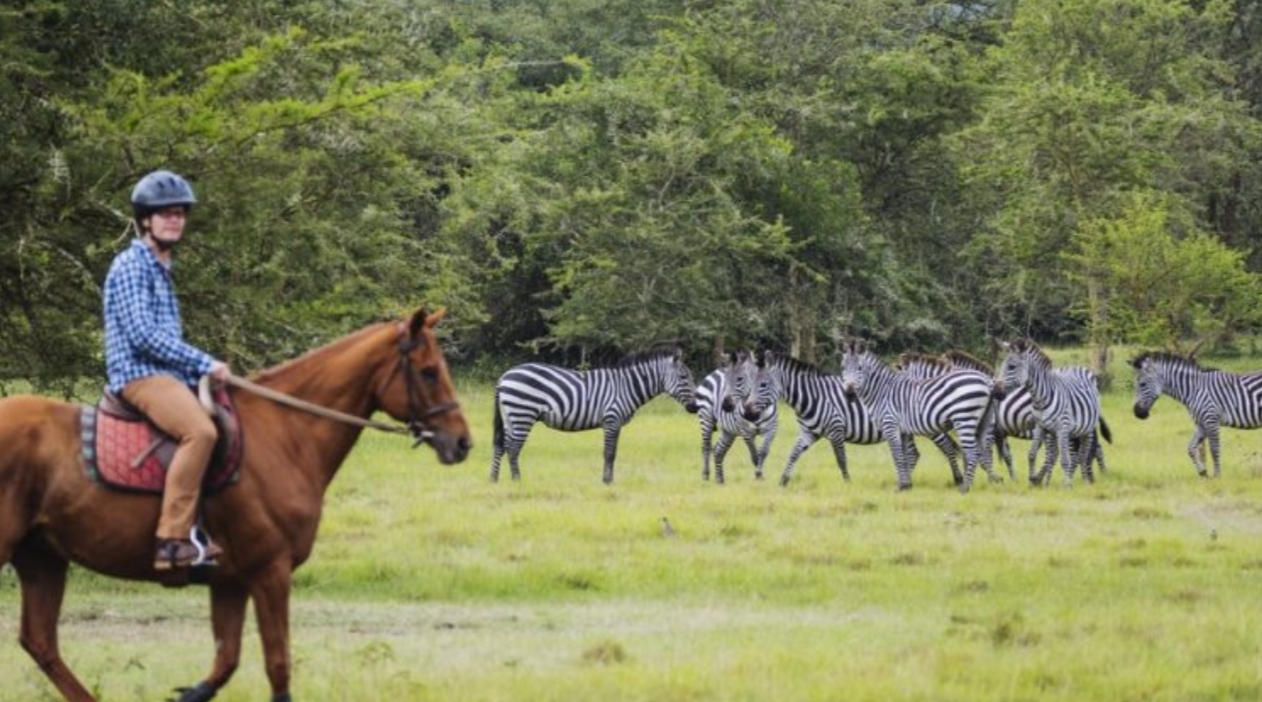
The cruise lasts about 2 hours and provides an excellent opportunity for photography, especially at sunset when the light turns golden and the wildlife comes to the shoreline. One of the park’s most unique adventures is exploring it on horseback. Operated by Mihingo Lodge, these safaris let you ride quietly among zebras and impalas, a peaceful and exhilarating way to connect with nature.
These horse rides range from short to full-day excursions with picnic breaks. Cycling tours within the park around the park’s fringes also stretch to nearby communities and offer a healthy dose of adventure. Cyclists can expect to come across antelopes such as impalas, elands, and topis, and local herders rearing their cattle while enjoying stunning views of the open savanna plains.
Birding can be done anywhere in the park, but the Rwonyo Jetty, Miriti Swamp, and Rubanga Forest are prime spots. The park offers guided birding excursions and community encounters where visitors get the opportunity to explore the raw beauty of Lake Mburo National Park and also learn about the Ankole lifestyle and history, including the Ankole long-horned cattle, milking schedules, and processes through which cow ghee is made, among others. This experience reveals the harmony that exists between man, cattle, and wildlife within the area.
The best months for wildlife viewing are from June to August and December to February, since animals gather around water bodies, and roads are easier to navigate. However, the months of March to May and September to November are excellent for birding, though the trails can be muddy. Lake Mburo offers a wide variety of accommodation for luxury, mid-range, and budget. A portion of tourism revenue supports education, healthcare, and development projects in the surrounding villages.
The locals benefit from the park by selling their crafts to the tourists, and this shows the significance of the park to them. Lake Mburo is one of Uganda’s spectacles, where wildlife encounters don’t always require vast savannah plains, but a place where the rhythm of nature still leads the way.