What is the Altitude of Volcanoes National Park?
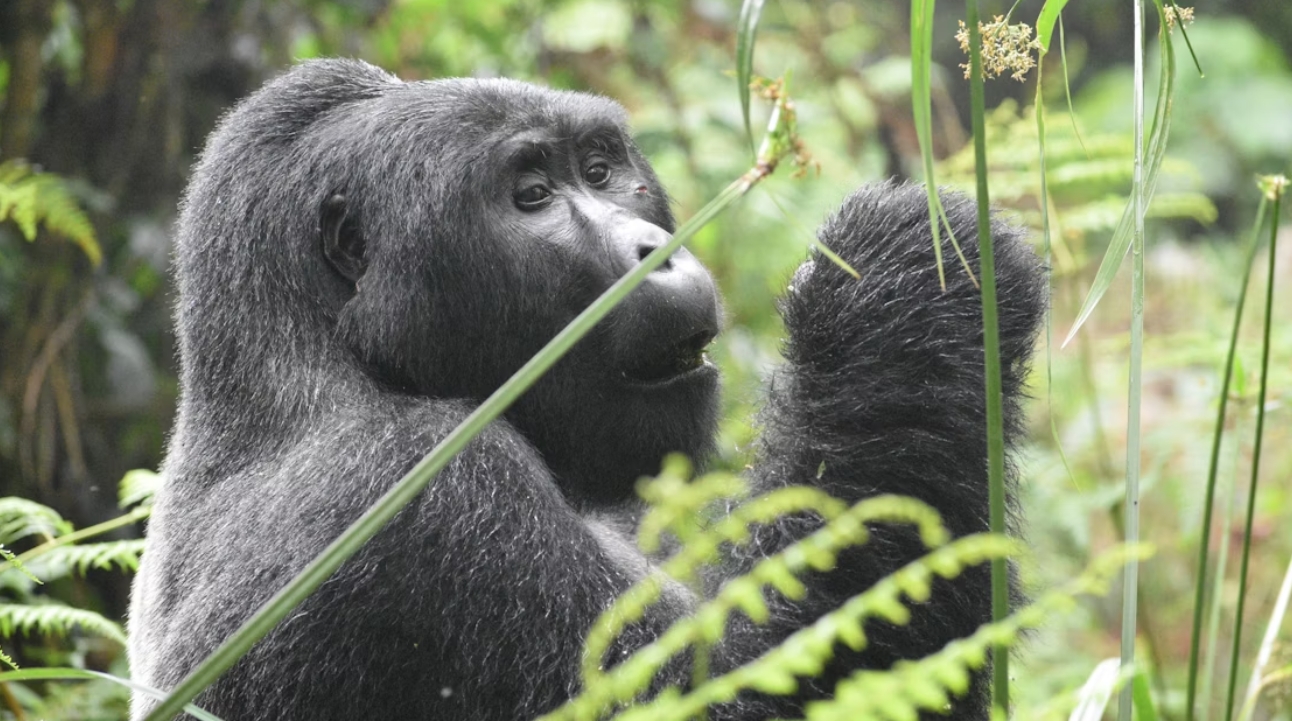
WHAT IS THE ALTITUDE OF VOLCANOES NATIONAL PARK? It is one of the remarkable gorilla trekking destinations in Africa, famous for mountain gorillas. Located in Rwanda, the land of a thousand hills, a place where natural beauty meets tranquillity. This article gives an insight into Volcanoes National Park’s elevation and how its high altitude influences the gorilla trekking experience.
It further offers visitors the practical knowledge and skills as a measure of ensuring a safe and exciting experience. Volcanoes National Park is part of the Virunga Conservation Area, which encompasses Virunga National Park and Mgahinga National Park, all located within the Virunga Mountain Range, spanning the countries of Rwanda, Uganda, and the Democratic Republic of the Congo.
Understanding the altitude of the park is important for travellers, as it affects climate, preparation, and trekking difficulty. The park’s elevation differs due to the rugged relief of its volcanic mountains. Approximately 1500 metres above sea level at the lowest point, Mount Karisimbi at 4507 metres, which is the highest peak.
What is the Influence of Altitude on Activities in Volcanoes National Park?
How altitude affects gorilla trekking, climate, and weather: higher altitude means cooler temperatures, and temperatures drop significantly at night, even in the equatorial region. Trekking gear should include warm layers, waterproof jackets, and gloves. Trekking at a higher altitude can physically be demanding.
Steep volcanic slopes add to the challenge, especially in the rainy season. Thin air at elevations above 3000 meters may cause mild shortness of breath. Dense montane rainforest with bamboo thickets is about 1500 to 2500 meters. Hagenia and giant lobelia forests are about 2500 to 3500 meters.
Alpine moorlands with grasslands and volcanic rocks. Gorillas are mostly found between 2200 and 3500 meters in the bamboo and forest zones.
Preparation for a High-altitude Trekking Experience
Short practice hikes in hilly terrain can boost endurance. Moderate to high fitness is highly recommended; regular cardio exercises, such as hiking or stair climbing, help prepare lungs for thinner air.
Consult a doctor if you have pre-existing respiratory issues. Stay hydrated throughout the trek. Be aware of the altitude symptoms. Take it slow, especially on steep sections.
Gear recommendations include all those identified below: a waterproof jacket for mist and rain, a walking stick for stability, and gloves for bamboo and steep climbs. Long-sleeved clothing to protect against colds and insect bites. Sturdy hiking boots with ankle support. Volcanoes National Park has higher altitudes than Bwindi, making it cooler and more mountainous, but similar to Mgahinga and parts of Virunga.
Altitude doesn’t affect gorilla sightings. Gorilla families are carefully tracked daily. Rangers adjust trekking routes based on gorilla movements. Sightings in Volcanoes National Park exceed 95% success rates. However, altitude may influence how long and strenuous the trek is.
Visitors frequently ask questions: Is Volcanoes National Park too high for beginners? The answer is no; with moderate fitness and proper pacing, most visitors manage the trek comfortably. Does high altitude cause sickness? Serious altitude sickness is rare, but light fatigue or shortness of breath may be possible.
Is trekking harder during the rainy season? The answer is yes; muddy trails combined with altitude increase difficulty. Do guides help manage altitude challenges? The answer to that question is yes; it is a ranger’s job to help out a visitor in case of any difficulty.
Rangers are highly trained and adjust speed and rest breaks to suit the group. Its altitude allows travellers to prepare confidently and fully appreciate the magic of trekking through Rwanda’s mist-covered volcanic forests.
What is the Elevation of Volcanoes National Park?
Volcanoes National Park sits at an impressive altitude ranging from 2400 to 14507 meters, with the most gorilla trekking taking place between 720 and 4507 meters above sea level. This high elevation creates a cool climate, dramatic landscapes, and a physically rewarding trekking experience.
While high altitude adds challenge, the need for proper gear and a steady pace ensures a safe and unforgettable encounter with Rwanda’s mountain gorillas. Acclimatisation tips include the following: Drink plenty of water, sleep well the night before trekking, avoid strenuous activity on the arrival day, and arrive at least a day before your trek.
Volcanoes National Park comparison with other gorilla destinations: Volcanoes National Park in Rwanda is about 2400 to 4507 meters; Bwindi Impenetrable National Park in Uganda is about 1160 to 2607 meters; Mgahinga National Park in Uganda is about 2227 to 4127 meters; and Virunga National Park in the Democratic Republic of Congo is about 720 to 4507 meters.
Despite being near the equator, Volcanoes National Park experiences cool and mild temperatures due to its elevation. Morning twilight can be a little cold and hazy. Daytime temperatures remain comfortable but cool. Evenings can feel chilly, especially at higher altitudes.
This implies that travellers are advised to pack warm layers, waterproof jackets, and gloves, as temperatures do keep on varying quickly during the trekking session. Volcanoes National Park is famous for its mountain gorillas and dramatic volcanic landscapes.