Birding in Uganda’s Top Destinations
Birding in Uganda’s Top Destinations makes it one of the top birding destinations in Africa, which offers unique and remarkable birding safaris. The country has diverse habitats such as wetlands, savannah grasslands, tropical rainforests, riverine forests, marshes, and highlands, among others, all of which contribute significantly to birdlife with over 1063 recorded bird species. This is attributed to the country’s geographical location and ecological transition zone, where the northern semi-desert and the western tropical rain forest meet the eastern savannah zone.
The country is home to distinctive and endemic wildlife species such as mammals, primates, bird species, and other living organisms that are rarely seen in other parts of the world. The Fox’s Weaver is one of the endemic bird species found only in Uganda and nowhere else in East Africa. Since so many people go from all over the world to see the natural beauty of Uganda’s unique species, birding is one of the most popular tourist activities there and greatly boosts the nation’s tourism economy. Among these species to observe are seasonal birds, endemic, near-endemic, and exceptional.
Top Birding Destinations in Uganda
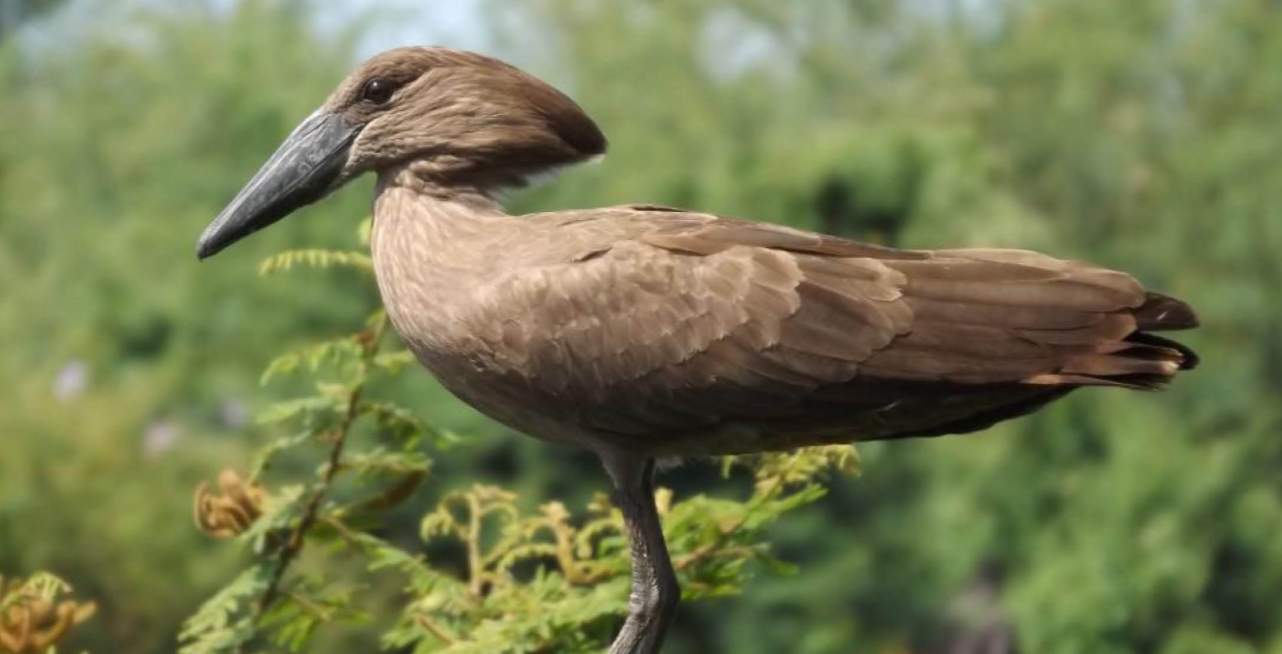
Mabamba Wetland, which is home to the iconic Shoebill species, Kibale Forest National Park, which is well-known for its forest birds, Murchison Falls National Park, which is a popular destination for both common and rare birds, and Queen Elizabeth National Park, which has the highest concentration of birds in the country, are just a few of the protected areas where these bird species can occur.
Following birding in Uganda’s Top Destinations, the country is also home to the Albertine Rift endemic bird species, particularly found in the dense forests of Bwindi Impenetrable National Park and Maghinga National Park, and a few species in Kibale Forest National Park. Several other bird species that draw tourists all over the world include the globally threatened Shoebill Stork, which is commonly found in Mabamba Wetland, Albert Delta, Toro Semuliki, and Lugogo Swamp in Ziwa Rhino Sanctuary, among others.
Top birds of Uganda
Chapin’s Flycatcher
Jackson’s Spurfowl
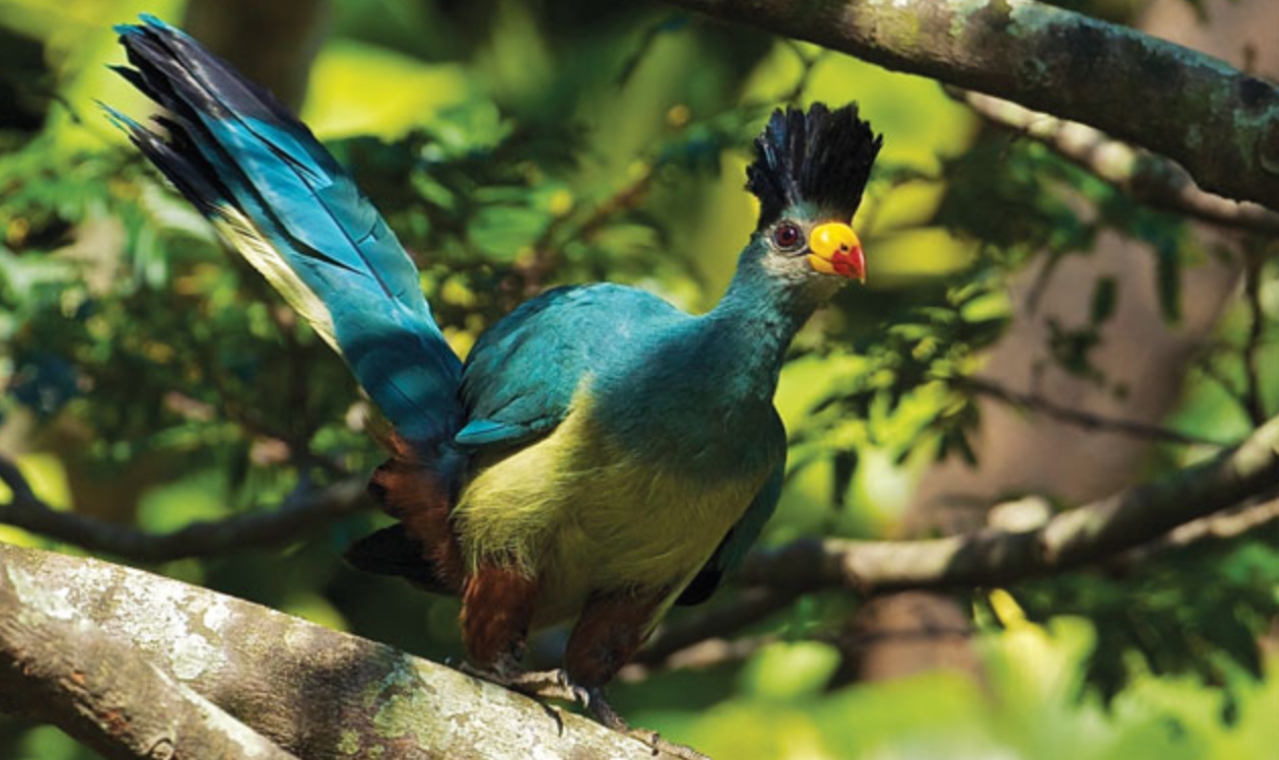
Great Blue Turaco
Black and White Casqued Hornbill
Yellow-eyed Black Flycatcher
Ansorge’s Greenbul
Blue Malkoha
Rwenzori Turaco ( Birding in Uganda’s Top Destinations)
Archer’s Robin-chat
Golden-winged Sunbird
Oberlaender’s Ground Thrush
Bar-tailed Trogon
Fox’s Weaver
Black-billed Turaco
Black Bee-eater
Rwenzori Nightjar
Dwarf Honeyguide
Rwenzori Double-collared Sunbird
Regal Sunbird
Black-lored Babbler
Stripe-breasted Tit
Luhder’s Bush-shrike
Strange Weaver
Dusky’s Crimsonwing
Red-faced Woodland Warbler
Blue-headed Sunbird
Neumann’s Warbler
Ituri Batis-(Birding in Uganda’s Top Destinations)
Blue-throated Roller
Karamoja Apalis
Turner’s Eremomela
Clapperton’s Francolin
Abyssinian Ground Hornbill
Many-coloured Bush-shrike
Grauer’s Broadbill
Uganda Woodland Warbler (Birding in Uganda’s Top Destinations)
Blue-breasted Kingfisher
Grant’s Bluebill
Red-faced Barbet
Doherty’s Bush-shrike
Equatorial Akalat
Black-faced Rufous Warbler
Jameson’s Antpecker
Rwenzori Batis
Green-breasted Pitta
Grauer’s Swamp Warbler
Magpie Mannikin
African Grey Parrot
Purple-breasted Sunbird
Red-throated Alethe
Handsome Francolin
When is the best time for birding in Uganda’s destinations?
Due to the possibility of seeing the most common birds, birdwatchers can go birding in Uganda throughout the year. However, the country receives two rainy seasons and two dry seasons. More still, the climate is one of the crucial factors that determines how successful the birding experience may be for birdwatchers when planning for birding safaris.
Following Birding in Uganda’s Top Destinations, March through May and September through November are the rainy season months in the country’s central and southern regions, while March through November is when it happens in the northern region. These birding locations’ roads are often in poor shape due to heavy rainfall throughout the rainy season, which could alter the birding schedule.
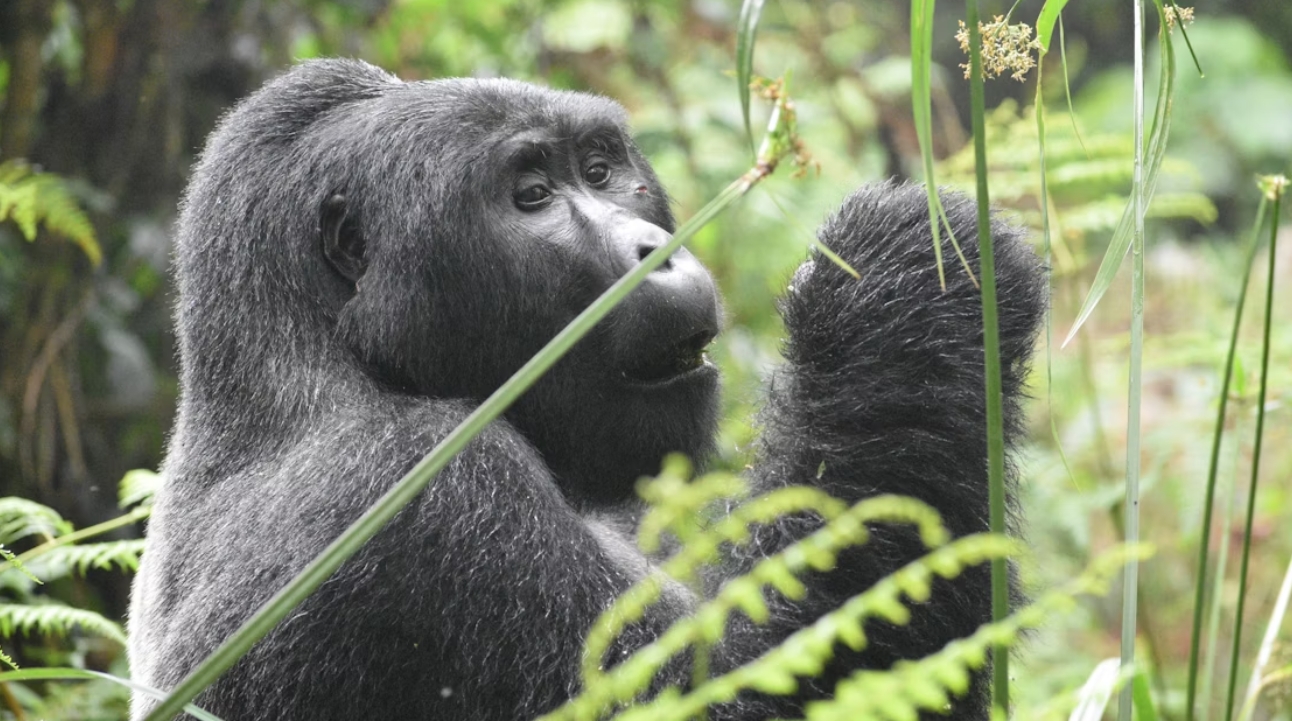
May through September, when there is less rainfall and food availability, are typically the best months for birdwatching. But in the wooded regions of Mgahinga National Park and Bwindi Impenetrable Forest, which are prime locations for endemic species of the Albertine Rift, the ideal time of year to nest is between May and June. Nonetheless, the region can still have significant rainfall between mid-April and mid-May. These two locations are well-known for tracking mountain gorillas, and the greatest times to see primates and other animals are during the dry seasons, which run from June to August and December to February.